
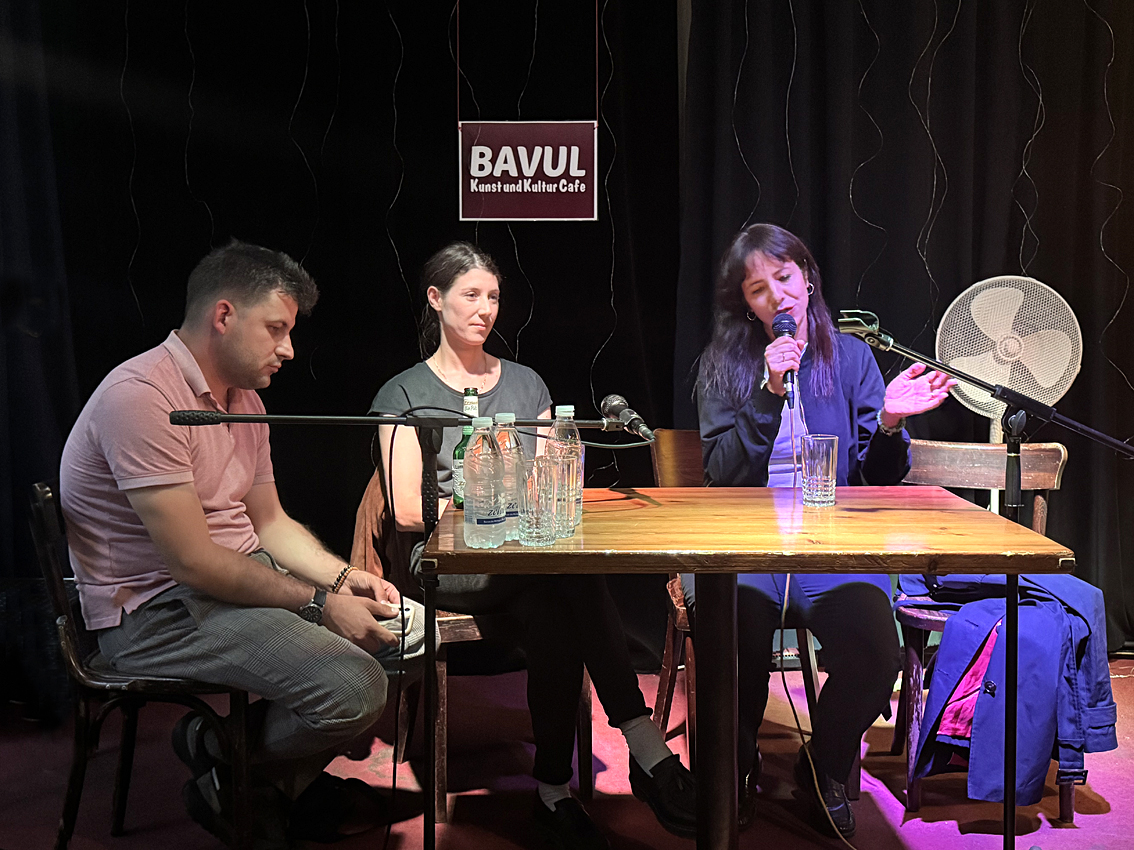
At the meeting held in Berlin, at Bavul Culture and Art Cafe, which hosts various events, especially culture and art, the city's most current and critical issues were discussed.
At the event attended by Elif Eralp, Die Linke's candidate for Berlin Mayor, prominent topics on the agenda were discussed, from the housing and rent crisis to migration and racism, from the rise of the AfD to possible coalition options.
The meeting, which also included Die Linke's Berlin State Parliament candidates Anna Eiling and Leo Diederich, was moderated by Mitte District Council candidate Kardiye Karcı. After the speakers briefly introduced themselves, the floor was given to the audience. Before moving on to questions, it is useful to briefly touch upon Elif Eralp's political background.
figure class="wp-block-image" data-align="center" style="text-align: center;">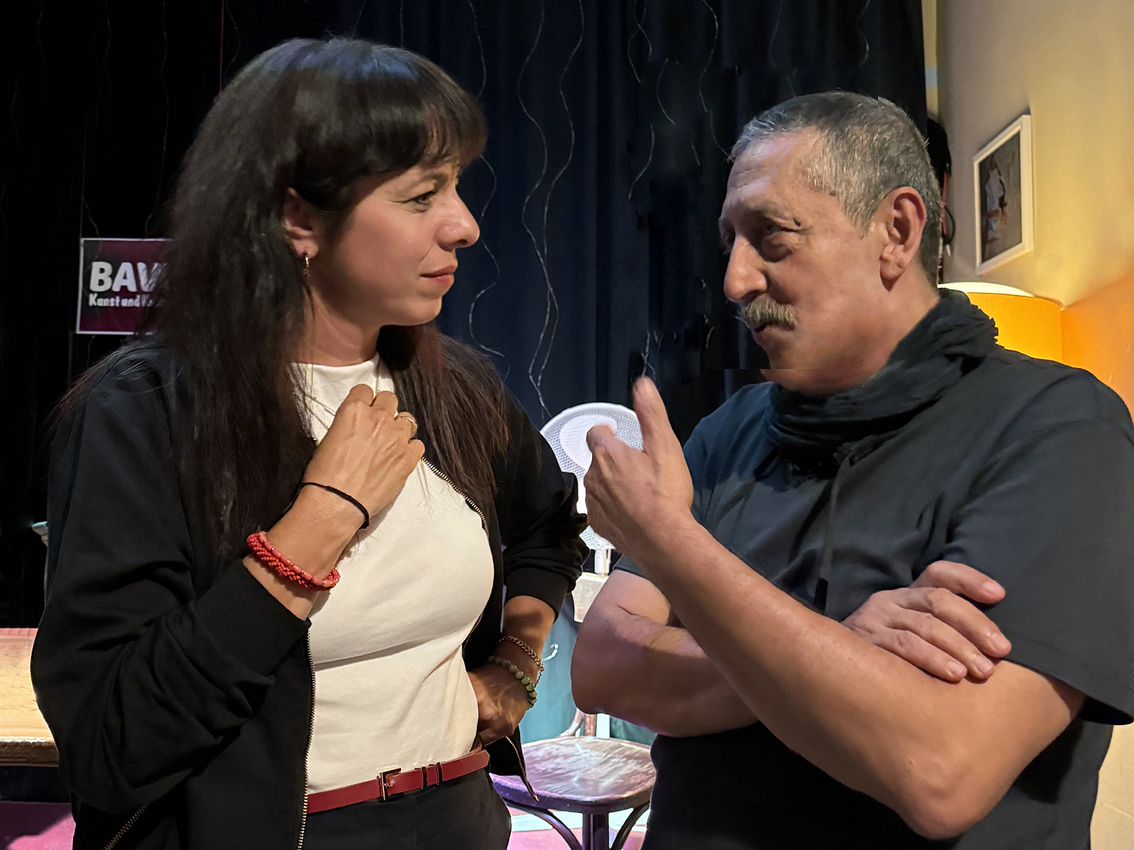 <
<Who is Elif Eralp?
Born in Munich in 1981, Eralp's family was forced to emigrate from Turkey to Germany after the 1980 military coup. Eralp, who studied law, settled in Berlin in 2010. Eralp, who has served as a member of the Berlin State Parliament since 2021, is running as Die Linke's top candidate and executive mayoral candidate in the 2026 Berlin elections.
figure class="wp-block-image" data-align="center" style="text-align: center;">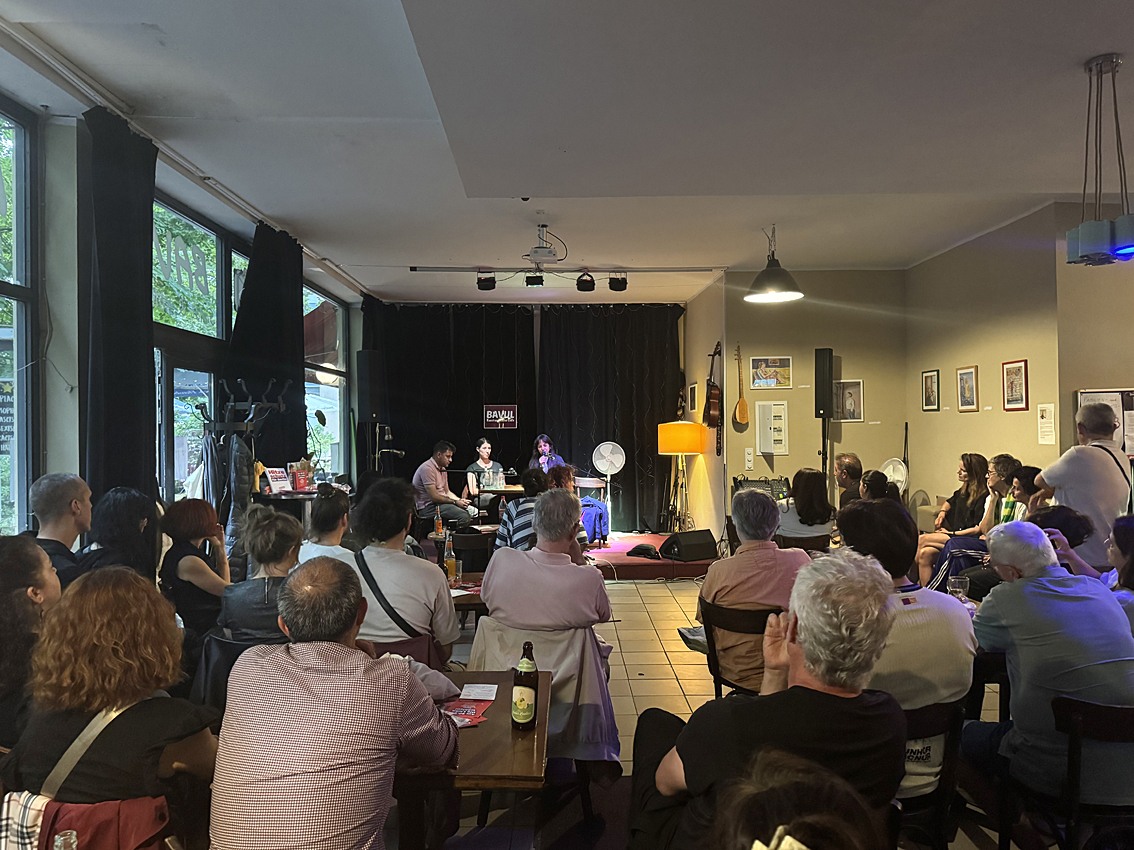 <
<Berlin's persistent problem: The housing and rent issue
One of the first questions asked at the meeting concerned the housing and rent problem, which is described as Berlin's bleeding wound. Questions were raised about how to find a solution in the face of high rents, difficulties in finding homes, the increasing number of homeless people, and the shortage of affordable housing.
Eralp stated that the housing problem is not only a social issue but also directly linked to Berlin's economic future. Stating that they are against homes and land becoming tools for speculation, Eralp announced that they advocate for the nationalization of large real estate companies owning 3,000 or more residential units. Emphasizing that this does not mean nationalizing all companies, Eralp said that the target is specifically large corporate groups that speculate in the housing market.
Eralp stated that public services should meet the basic needs of society and should not be turned into tools for profit. Advocating for GASAG (Berlin's natural gas and energy company) to be brought back into public ownership, Eralp said that affordable housing is also important for Berlin's economic strength. Eralp stated that the rent issue is not limited to residential properties, adding that they want a cap to be placed on rents paid for commercial premises as well. Stating that this falls within the jurisdiction of the federal government, Eralp expressed that they would exert political pressure on this issue, as they do on many others.
Eralp said that for Berlin to remain strong as an economic hub, small and medium-sized enterprises, new ventures, and the industrial sector must be supported. Stating that they want to strengthen industrial policy outside of the arms industry, Eralp argued that cuts made to higher education, culture, and science negatively affect Berlin's economic strength.
figure class="wp-block-image" data-align="center" style="text-align: center;">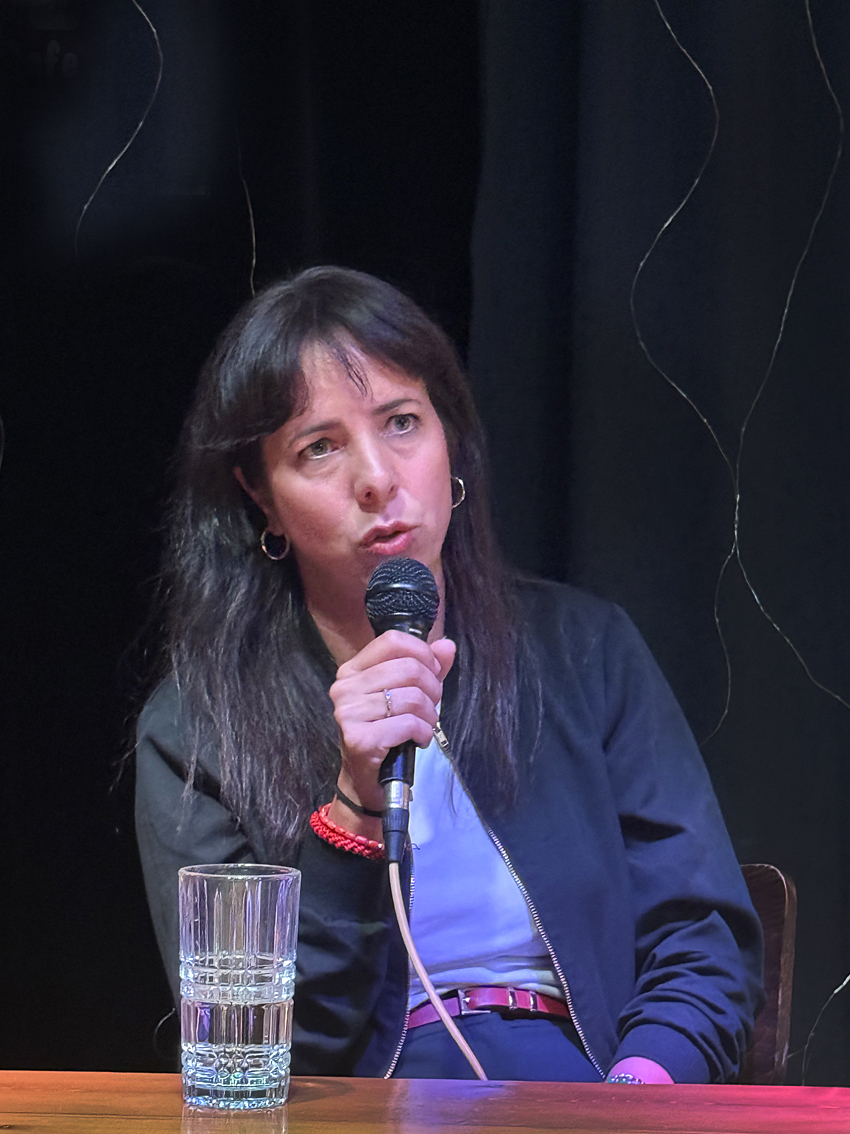 <
<Anti-immigrant sentiment and the rise of the AfD
Anti-immigrant sentiment and racism, which are becoming increasingly visible in Berlin, were also discussed during the interview. Eralp was asked for her views on the increase in exclusionary rhetoric against immigrants in society and the rise of the AfD. Eralp stated that anti-immigrant sentiment is not a new phenomenon, that it has been experienced in various areas for a long time, that they themselves have occasionally been subjected to it, but that it has become more visible recently. Criticizing political circles, especially Prime Minister Merz, for portraying immigrants as an element that "spoils the city's image," Eralp said that such statements fuel anti-immigrant sentiment and racism. Eralp emphasized that the fight against both anti-immigrant sentiment and racism, and against the AfD, must be carried out together. Stating that this struggle should not be left solely to election periods, Eralp said it is very important for people who experience discrimination and anti-immigrant sentiment to voice their experiences and pursue these issues. Eralp stated that it is not right for people to ignore such incidents by hesitating or remaining silent for various reasons, and expressed that people can contribute by participating in online discussions, talking to their neighbors, and taking part in anti-racism or anti-hate initiatives. Stating that Die Linke continues this struggle, Eralp invited everyone who wishes to participate in the party's activities.
igure class="wp-block-image" data-align="center" style="text-align: center;">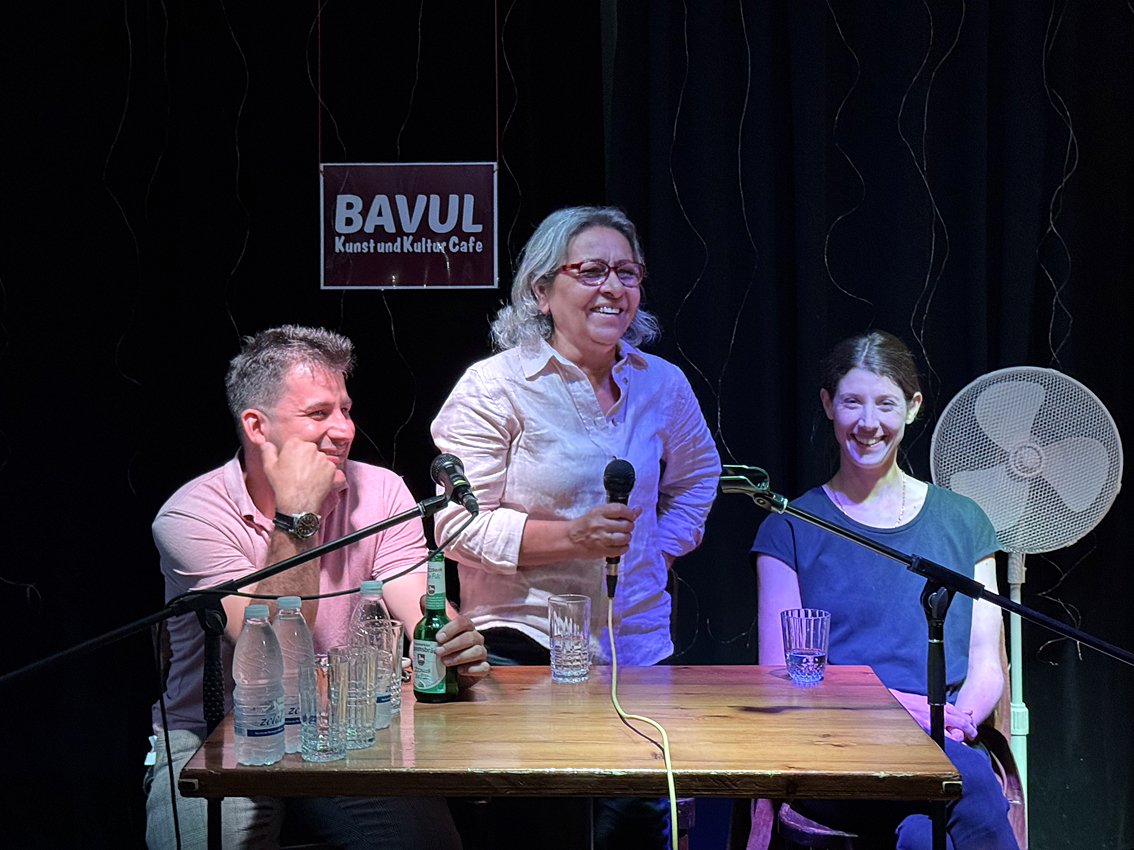
Compulsory military service and armament
In addition, compulsory military service, which has resurfaced on the agenda in Germany, and increasing armament policies were also discussed during the interview. Eralp was asked for her views on compulsory military service and Germany's stance on armament and the Ukraine-Russia war. Eralp stated that there is serious opposition to compulsory military service in society, especially among students, and that they are absolutely against it themselves. Criticizing the organization of events in schools that encourage young people to military service, Eralp stated that they are against the use of educational institutions for military purposes. Eralp, who also opposes increasing investments in armament and war, argued that Germany should not take sides in the Ukraine-Russia war and should adopt a pro-peace stance. She stated that they are against wars and conflicts not only in Ukraine but also in different parts of the world.
Possible post-election coalition options were also discussed at the meeting. In this scenario, where it seems difficult for Die Linke to achieve a majority to form a government alone, the question of what the most appropriate coalition option would be was raised. Eralp said that Die Linke's primary preference is to form a government with the Greens, but according to the current situation and polls, this alone would not be sufficient. Eralp stated that in this case, a triple coalition with the SPD and the Greens would come onto the agenda, and also expressed that there would be serious disagreements in such a government. Eralp said that they do not share the same views as the SPD, especially on nationalization, and that they seriously criticize the policies of the Ministry of Interior and the harsh and oppressive methods used during demonstrations. Despite this, Eralp stated that leaving Berlin under CDU administration again would be a worse option for them, and expressed that they would fight to achieve the strongest possible result in the elections and to reflect their policies in the coalition agreement.
In the final part of the meeting, the Israel-Palestine issue also came up in response to a question. Eralp stated that the events in Gaza are characterized as genocide in line with the assessments of human rights organizations, and said that those responsible in the Israeli government should be held accountable before international courts. Eralp, stating that they are against Germany's arms shipments to Israel and are fighting for the suspension of the Partnership Agreement between the EU and Israel, expressed that there are concrete steps being taken in Berlin regarding this issue.
Eralp said that in a city like Berlin, where different communities live together, it is necessary to heal the wounds in society, stand against all forms of exclusion and discrimination, and advocate for a more just coexistence. At the end of her speech, Eralp thanked the participants, everyone who provided support, and Bavul, while also asking for advice and requests to be conveyed to them, and invited everyone who wished to participate in the activities...
News and Photos: Engin Kaban
Comments
0 commentsNo comments on this article yet. Be the first!