
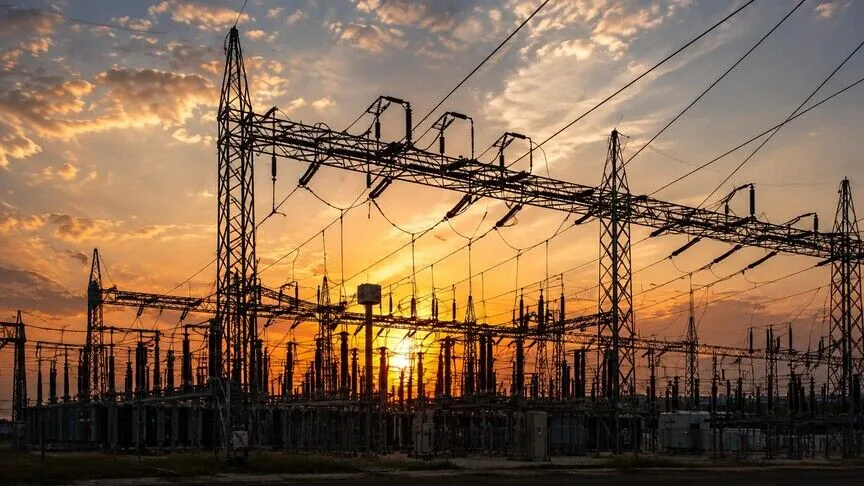
The EU Commission announced its decision regarding Germany's electricity capacity mechanism, which it plans to implement from 2031.
The statement noted that the mechanism aims to keep production, storage, and demand management capacity ready, sufficient to meet electricity demand under all circumstances.
The statement noted that under the program, electricity producers and other capacity providers will be paid not only for the electricity they sell to the market but also for the capacity they keep ready to be activated when needed, and it was stated that the aim of this mechanism is to keep production ready to meet electricity demand under all circumstances.
The statement indicated that the capacity benefiting from the support will be determined through competitive tenders, and it was reported that in addition to electricity generation facilities, energy storage systems and businesses that can reduce their consumption when needed can also participate in the mechanism.
The statement highlighted that the EU Commission found this mechanism necessary and proportionate for ensuring electricity supply security in Germany, and it was noted that the conclusion was reached that the mechanism would have limited negative effects on the electricity market within the Union.
The statement said, "The EU Commission approved Germany's capacity mechanism, worth up to 35 billion euros, to secure electricity supply."
The electricity capacity mechanism is known as a support payment system made to power plants, not for the electricity they produce, but for the installed power capacity they keep ready to operate at any moment in the system, with the aim of ensuring supply security in the electricity grid and preventing outages.
The authority to determine how EU member states will provide public aid falls within the scope of the EU Commission's duties.
Member states can only use public aid in a way that does not harm competition and in situations that are in the public interest.




Comments
0 commentsNo comments on this article yet. Be the first!