
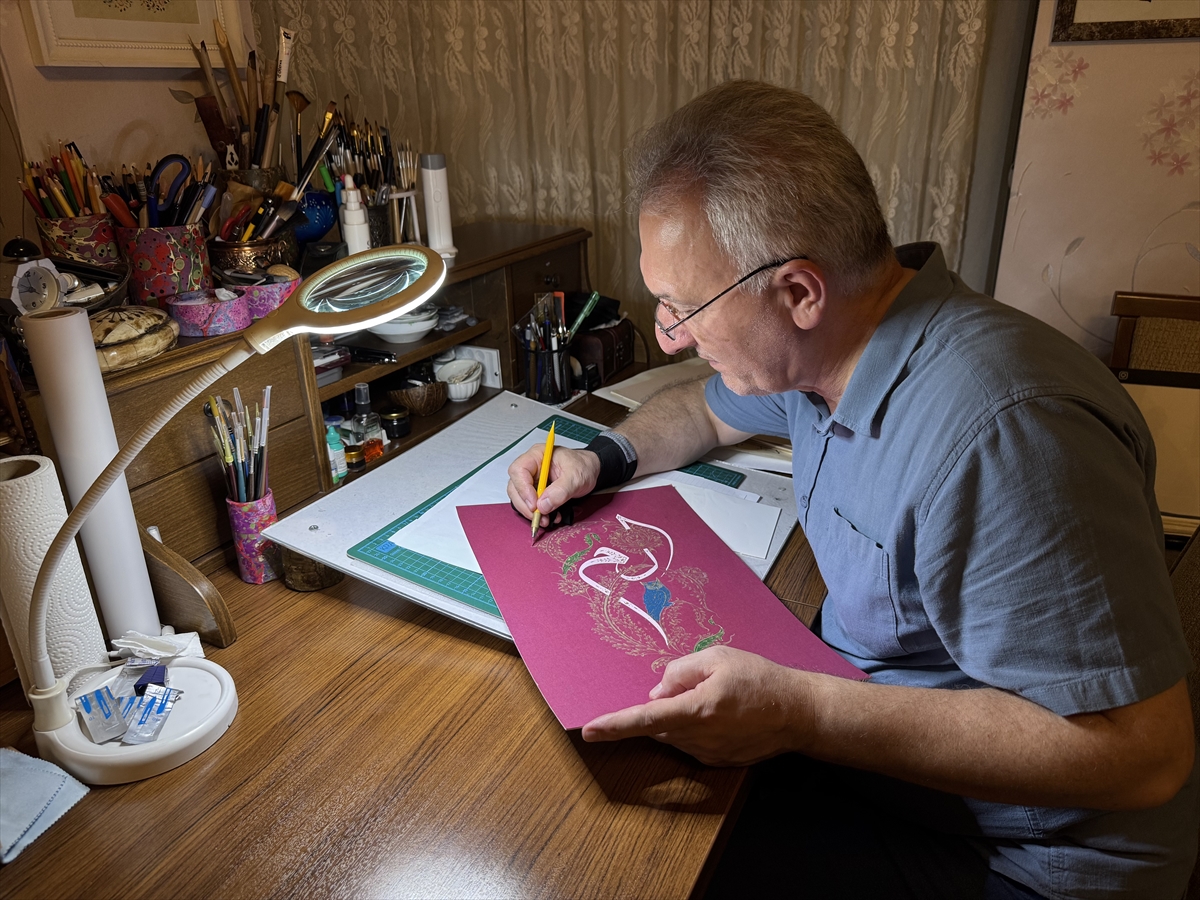
Şükûfe sanatının temsilcilerinden Yılmaz Çakmak, Osmanlı döneminde gelişen bu sanatla unutulmaya yüz tutan Türk motiflerini geleceğe taşımayı hedefliyor. Haftalar süren çalışmalarıyla çiçekleri ince tarama tekniğiyle gerçeğe yakın bir şekilde resmediyor.
58 yaşındaki iş insanı ve üç çocuk babası Çakmak, yaklaşık yedi yıl önce geleneksel sanatlara yöneldi. Hat, tezhip, şükûfe ve resim dersleri almaya başladı.
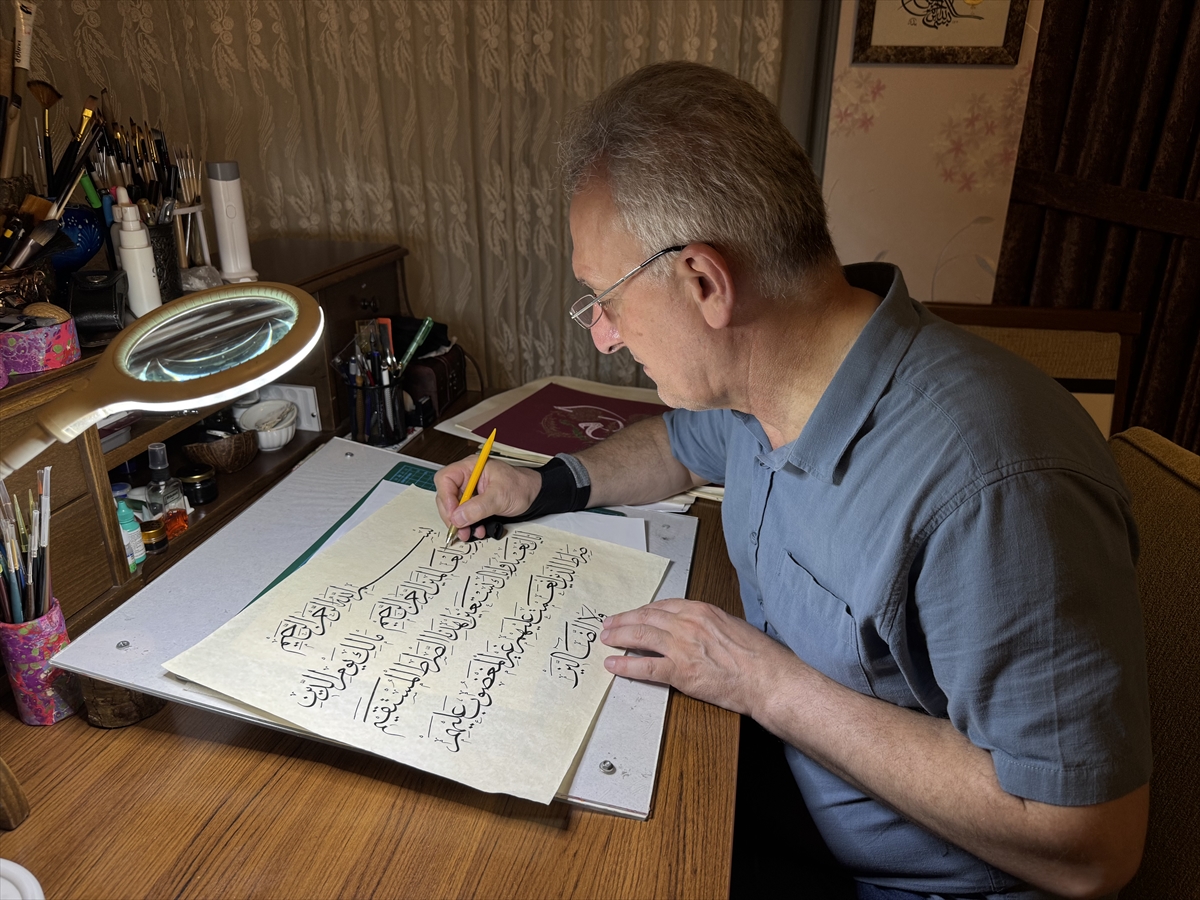
Lisanslı bir hattat olan Çakmak, Kocaeli Büyükşehir Belediyesi Konservatuvarı Tezhip Bölümü'nü tamamladı. Kocaeli Üniversitesi Güzel Sanatlar Fakültesi Geleneksel Türk Sanatları Bölümü'nde üçüncü sınıf öğrencisi olarak eğitimine devam ediyor.
Yılmaz Çakmak, şükûfenin Osmanlı İmparatorluğu'nda 18. yüzyılda gelişen özel bir resim tekniği olduğunu belirtti. Bu teknikte çiçekler natüralist bir yaklaşımla işleniyor. Klasik tezhip sanatındaki stilize çiçek anlayışından farklı olarak, çiçeklerin doğadaki gerçek görünümleri esas alınıyor.
Çakmak, Avrupa'daki Rokoko etkisinin Osmanlı sanatına yansımasıyla bu tarzın yaygınlaştığını kaydetti. Şükûfe, "yeni açmış gül" anlamına geliyor. Çiçekler, iki boyutlu veya çok yönlü taramalarla betimlenen özel bir teknikle öne çıkıyor.
"Sanat İnsanları Düşündürmeli"
Çakmak, şükûfe sanatında hata payının oldukça düşük olduğunu vurguladı. "Şükûfede iki, üç, dört, hatta beş yönlü taramalar yapılabilir. Çok net, şeffaf ve keyifli bir resim ortaya çıkar. Çünkü şükûfede resimsel çizgi, hareket, fırça darbesi yoktur. Ufacık bir çizgi bile hemen kendini belli eder ve silmek zordur. Bu yüzden biraz uzun sürer. Yani tek bir çiçeğin resmini taramak 2-3 haftayı bulur" ifadelerini kullandı.
Çakmak, Türkiye'de bu sanatı sürdüren kişi sayısının sınırlı olduğuna dikkat çekti. Şükûfenin diğer geleneksel sanatlar gibi yaygın bir eğitim müfredatının olmadığını söyledi. Sanatın usta-çırak ilişkisiyle aktarıldığını belirtti.
Çakmak, kendisini tek bir sanat dalıyla sınırlamak istemediğini ifade etti. Hat, tezhip, şükûfe ve resmi aynı düşünce ekseninde bir araya getirmeyi hedeflediğini aktardı.
Bir işi çok iyi yapmanın iyi bir zanaatkar yapabileceğini ancak sanatçı olmanın düşünce üretmeyi gerektirdiğini kaydetti. "Sanat insanları düşündürmeli. Bir hat eserindeki yazı, tezhipteki altın, kullanılan renkler, çiçekler bir araya gelerek bir anlam oluşturuyorsa o zaman sanattan bahsedebiliriz" diye konuştu.
"Gelecekte Eğitim Vermeyi Planlıyorum"
Çakmak, geleneksel Türk sanatlarının kendisini çeken yönünün, binlerce yıllık kültürel mirası günümüze taşıması olduğunu açıkladı. Tarih boyunca oluşturulan motif, desen ve sembollerin önemli bir kısmının unutulduğunu söyledi.
Bu kültürel mirası eserlerinde yeniden görünür kılma çabalarına değinen Çakmak, şunları kaydetti:
"Uygurlardan günümüze uzanan çok geniş bir kültür birikimimiz var. Binlerce yıllık kültür, folklor var. Destanlar, semboller var. Bugün bunların çoğunu unutmuşuz. Binlerce yıllık tarihimizde kalmış bazı desenler... Ben bunları yaptığım eserlerde kullanmaya çalışıyorum. Bir sanatçının var olanı görünür kılma gibi bir vizyonu ve misyonu olmalı."
Çakmak, gelecekte eğitim vermeyi planladığını belirtti. Bilgiyi zekata benzeterek, paylaşıldığında azalmadığını, aksine zihinde pekiştiğini vurguladı.
Eğitim vermeye başladığında kendi bilgisini daha iyi kavradığını ifade eden Çakmak, "Eğitime başladığında aslında eğitim almaya da başlarsın. Paylaştığında oturup düşünürsün, 'Ben neyi biliyormuşum' diye idrak edersin" dedi.
Comments
0 commentsNo comments on this article yet. Be the first!