
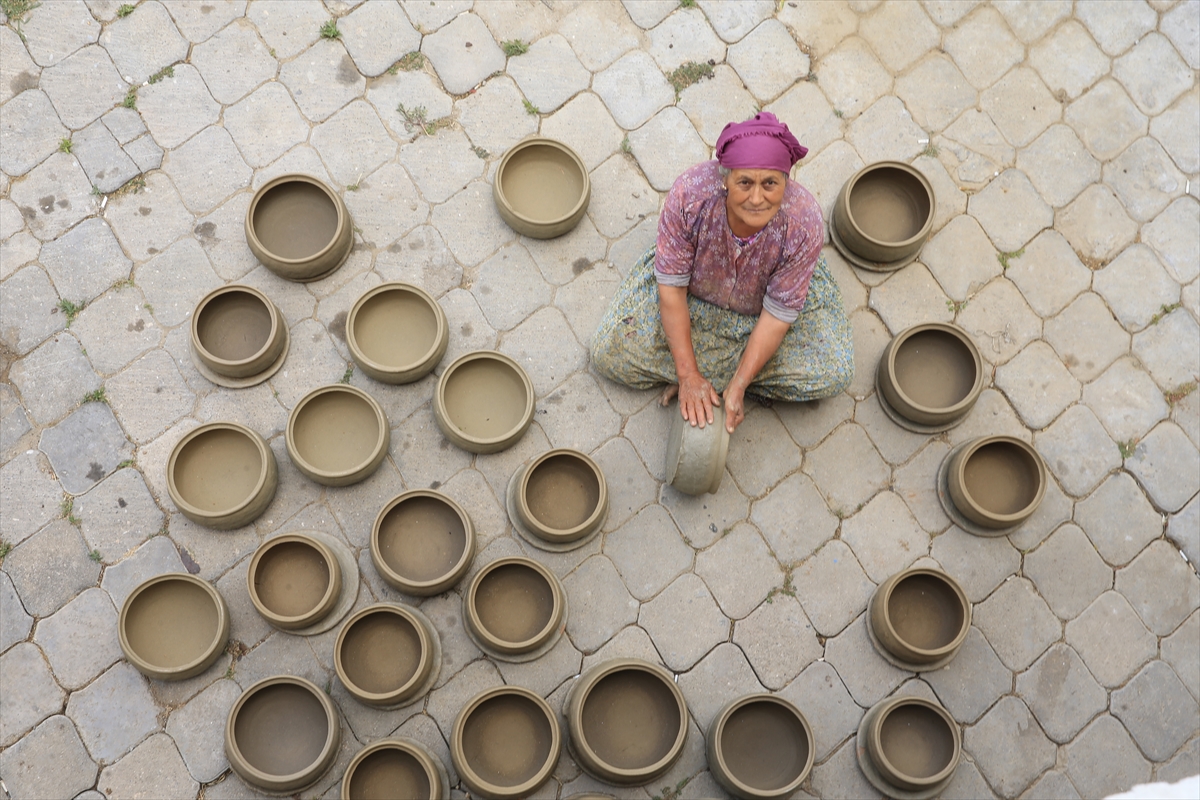
Manisa'nın Salihli ilçesinde, UNESCO Global Jeoparkı sınırları içindeki volkanik kayalar, nesilden nesile aktarılan çömlekçilik geleneğiyle işleniyor. Bu kayalar, dayanıklı güveç ve tencerelere dönüşüyor.
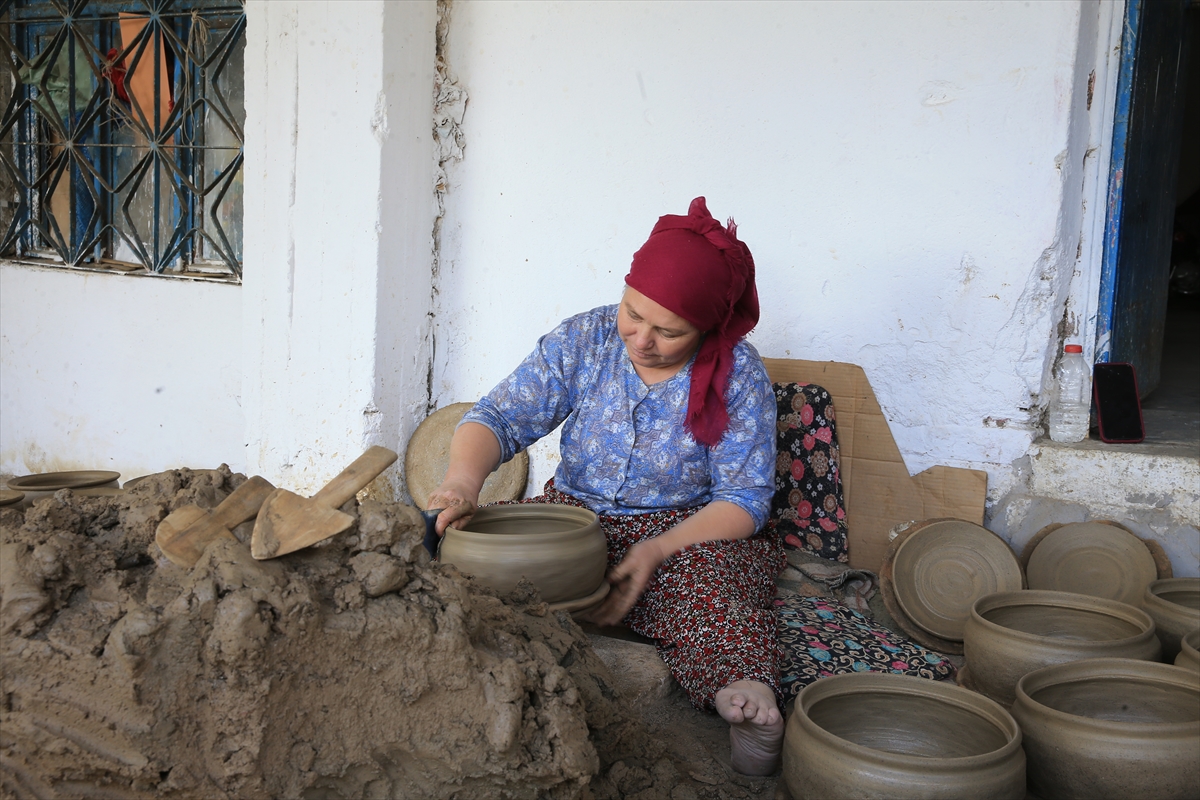
Jeopark alanından çıkarılan volkanik kayalar, yöre halkı tarafından evlere taşınıyor. Öğütme makinelerinde toz haline getirilen bu kayalar, nehir yataklarından alınan kil ile karıştırılarak çamur hazırlanıyor.
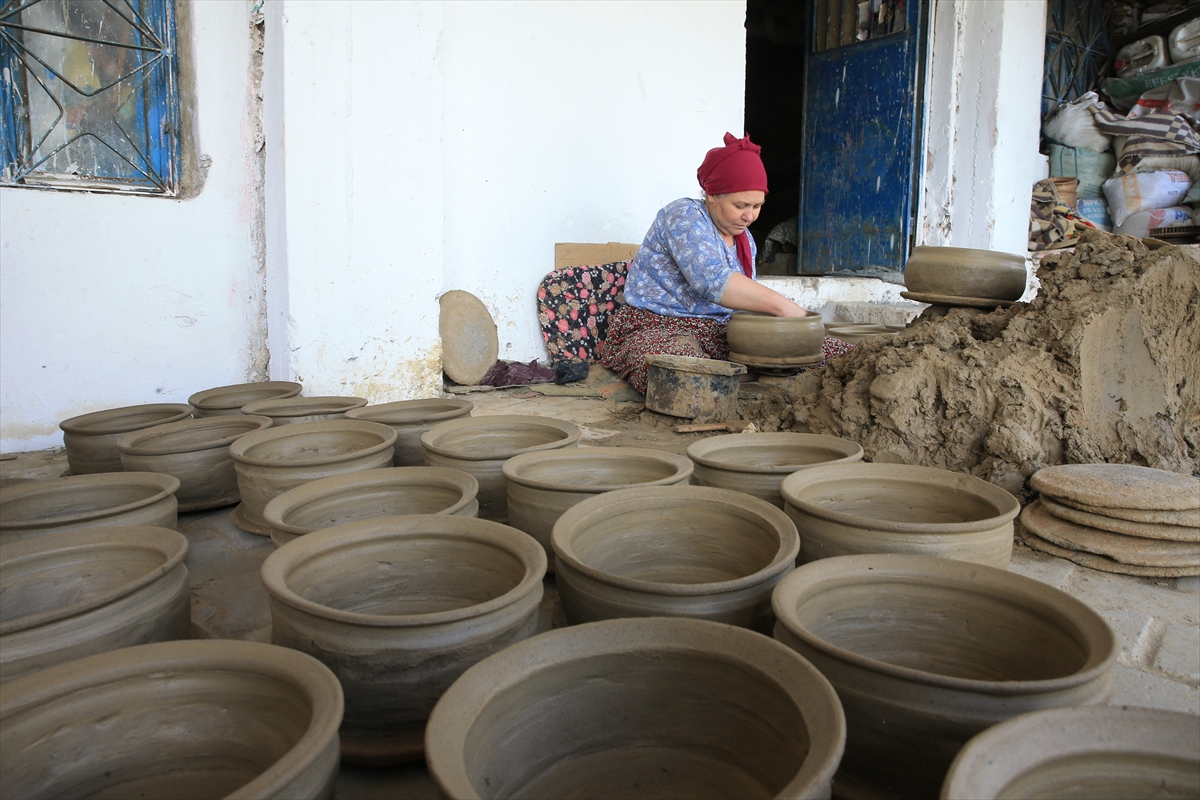
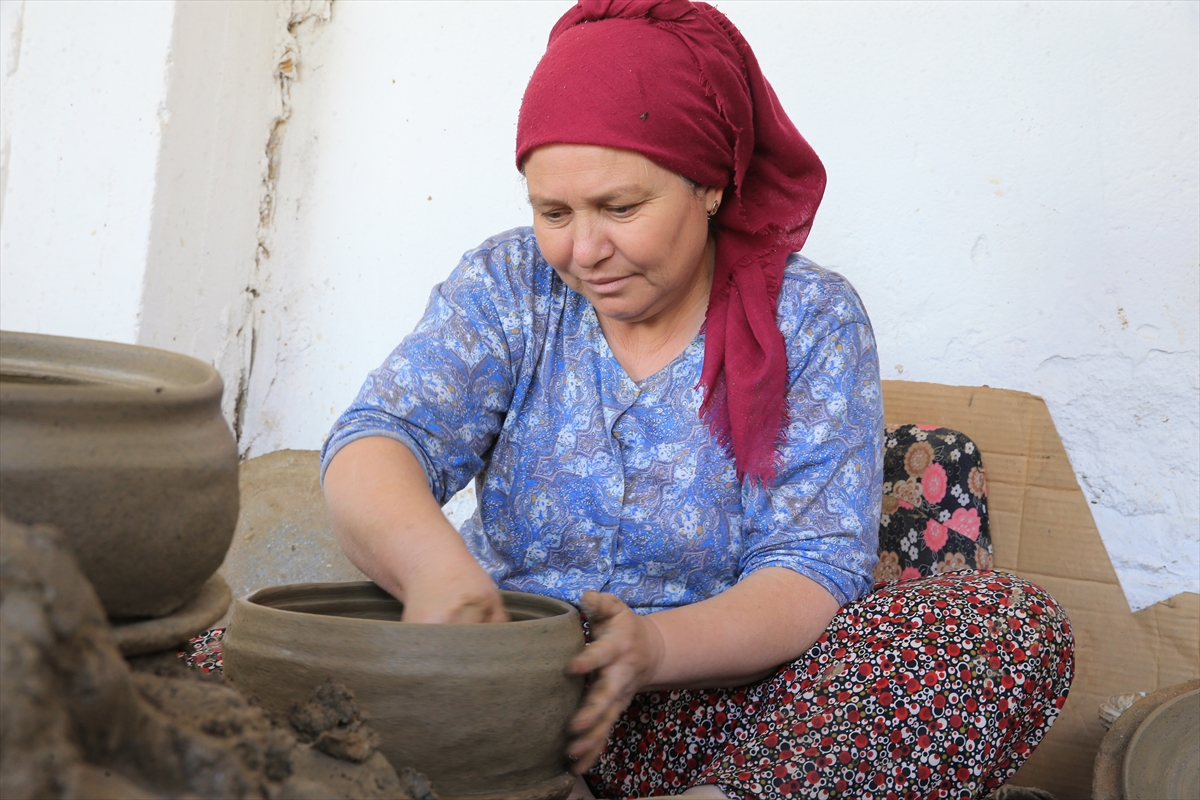
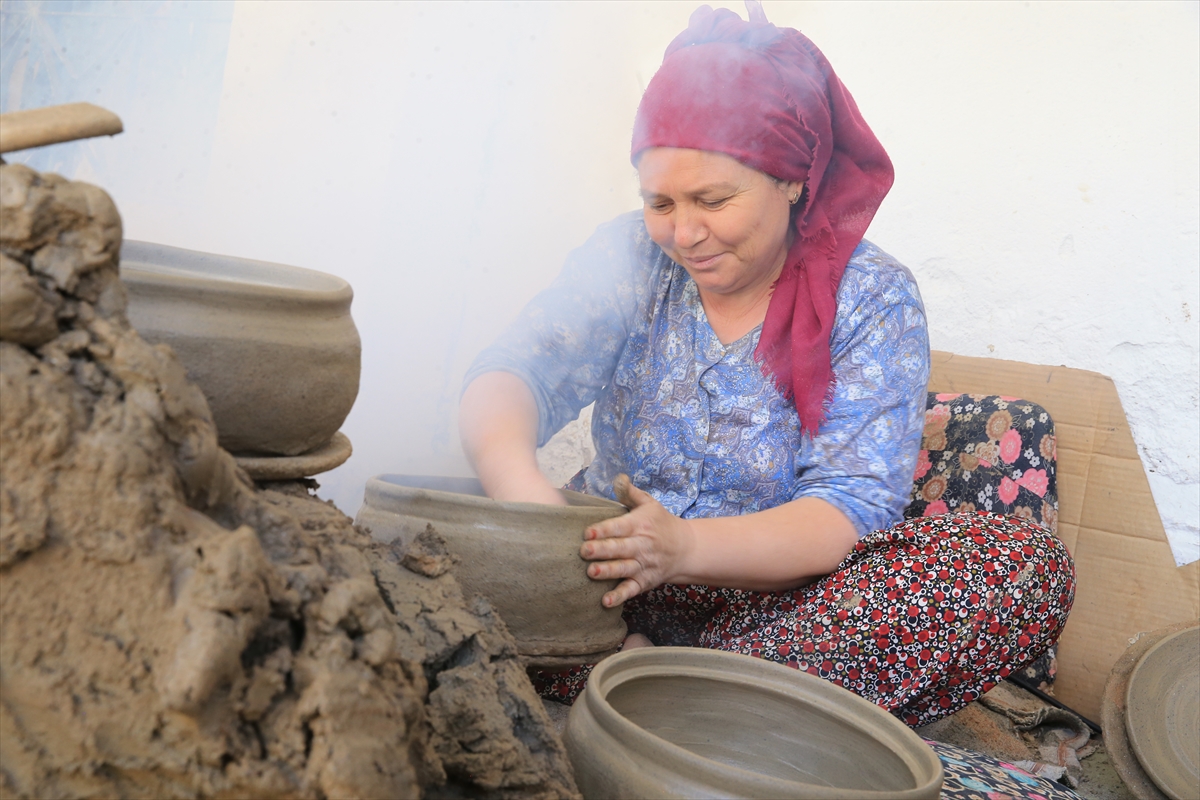
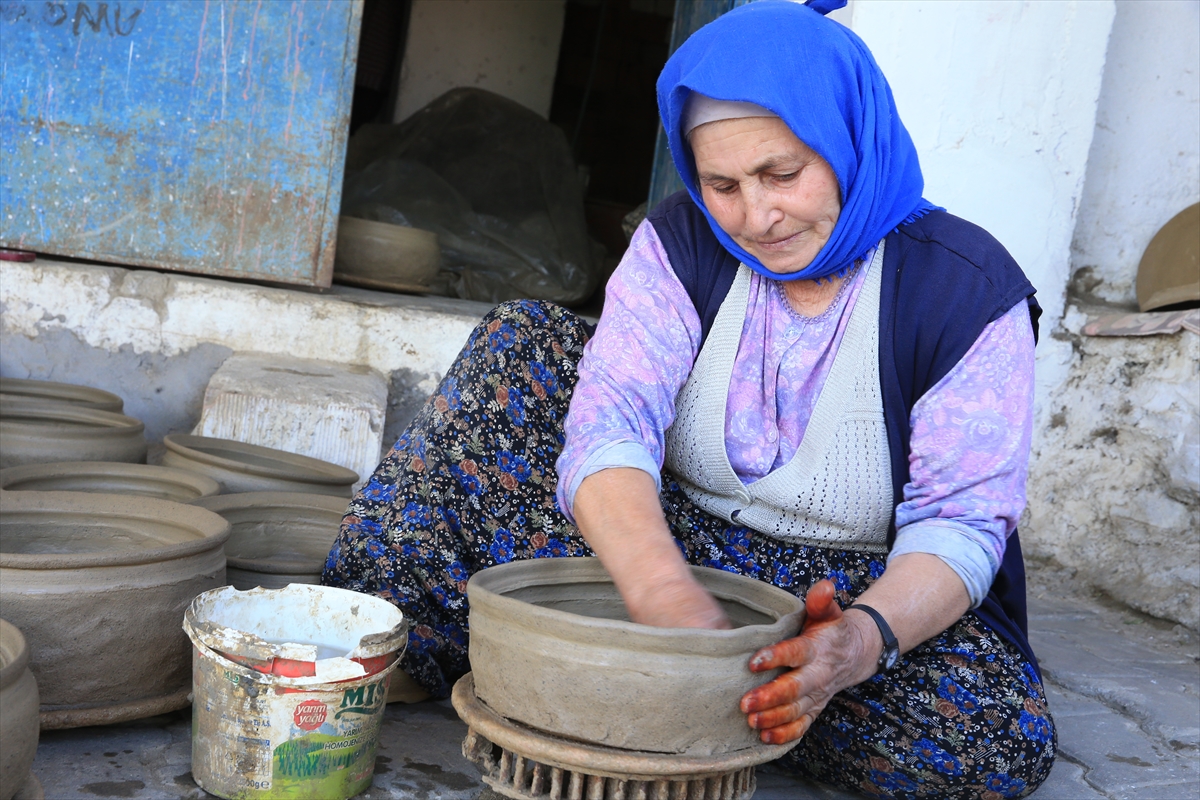
Evlerinin avlularındaki atölyelerde kadınlar, çamuru şekillendirerek güveç ve tencere üretiyor. Erkekler ise pişirme ve pazarlama aşamalarını üstleniyor. Volkanik yapının sağladığı doğal dayanıklılık ve parlaklık sayesinde ürünlerde sırlama işlemine gerek kalmıyor.
1830 nüfuslu mahallede çömlekçilik, 25 hanenin ana geçim kaynağını oluşturuyor. Ürünler, tüccarlar aracılığıyla Türkiye'nin farklı illerine ve yurt dışına gönderiliyor. Özellikle Kurban Bayramı öncesinde ürünlere yoğun talep oluyor.
Babası evinde öğrendiği zanaatı yaklaşık 30 yıldır sürdüren çömlek ustası Emine Tangüç, zorlu üretim sürecine rağmen işlerini severek yaptıklarını belirtti.
Tangüç, çömlekçiliğin yüzyıllardır mahalledeki kadınların omuzlarında taşınan bir miras olduğunu vurguladı. Ellerle şekillendirdikleri her kaba büyük emek ve sabır kattıklarını söyledi.
Sabahın erken saatlerinde tezgahlarının başına geçtiklerini belirten Tangüç, tüm zorluklarına rağmen bu ata mesleğini gelecek nesillere aktarmak için var güçleriyle çalışmaya devam ettiklerini anlattı.
Bu zanaattan geçimlerini sağladıklarını ifade eden Tangüç, "Allah bereket versin, geçimimizi sağlıyoruz, bununla idare ediyoruz. Zahmetli bir işimiz var ama halimizden memnunuz. Satışlarımız genelde düzenli oluyor fakat Kurban Bayramı dönemlerinde talep daha da artıyor." dedi.
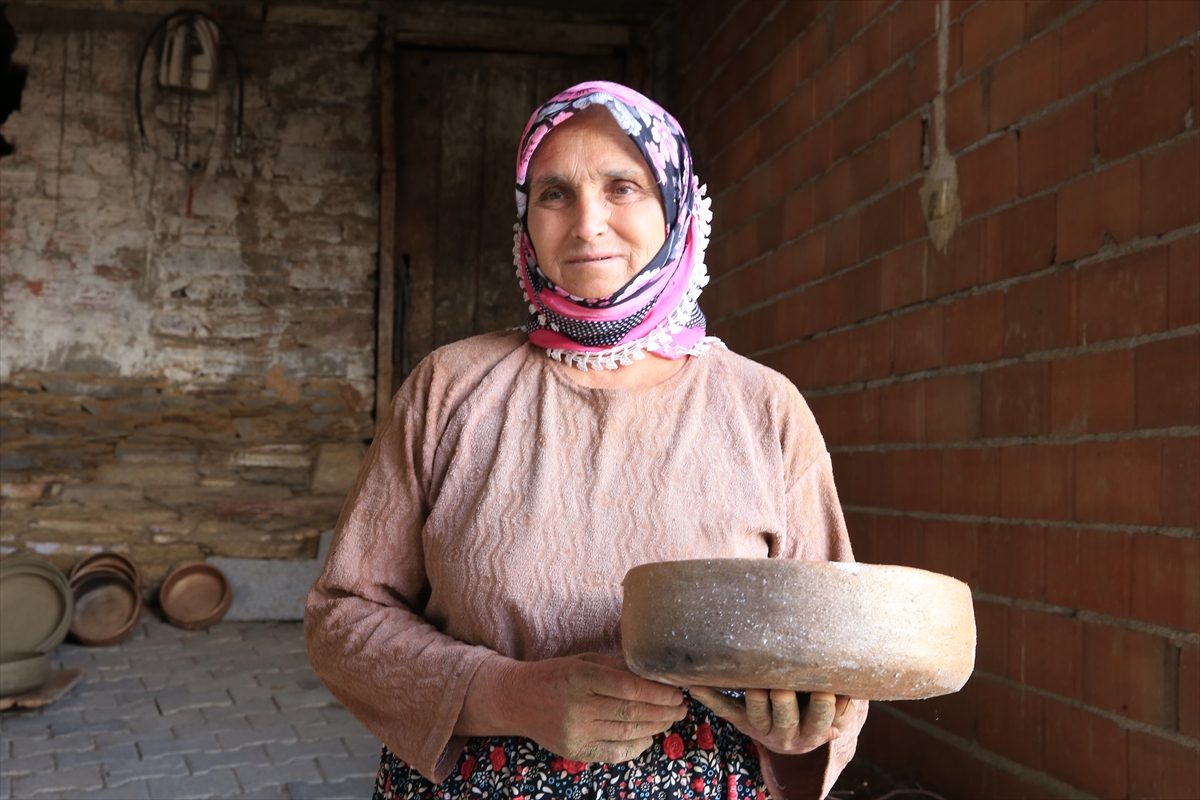
Mahalledeki usta kadınlardan Sabriye Balkan da mesleği 30 yıldır sürdürdüğünü ve üretimin büyük emek gerektirdiğini aktardı.
Çamurun hamur gibi yoğrularak hazırlandığını anlatan Balkan, şunları kaydetti:
"Bu mesleği babamdan küçük yaşta öğrendim. Çocuklarımın ve torunlarımın devam ettireceğini sanmıyorum. Maalesef bu meslek yavaş yavaş ölüyor. Sabır ve güç gerektiren bir işimiz var; sabahtan akşama kadar tezgahta çamurla uğraşıyoruz. Gençler artık bu zahmetli zanaata ilgi duymuyor, hazır işlere yöneliyorlar. Bizler gücümüz yettiğince bu ata mesleğini yaşatmaya çalışsak da bizden sonra kimsenin devam ettirmeyecek olması bizi üzüyor."

Comments
0 commentsNo comments on this article yet. Be the first!