
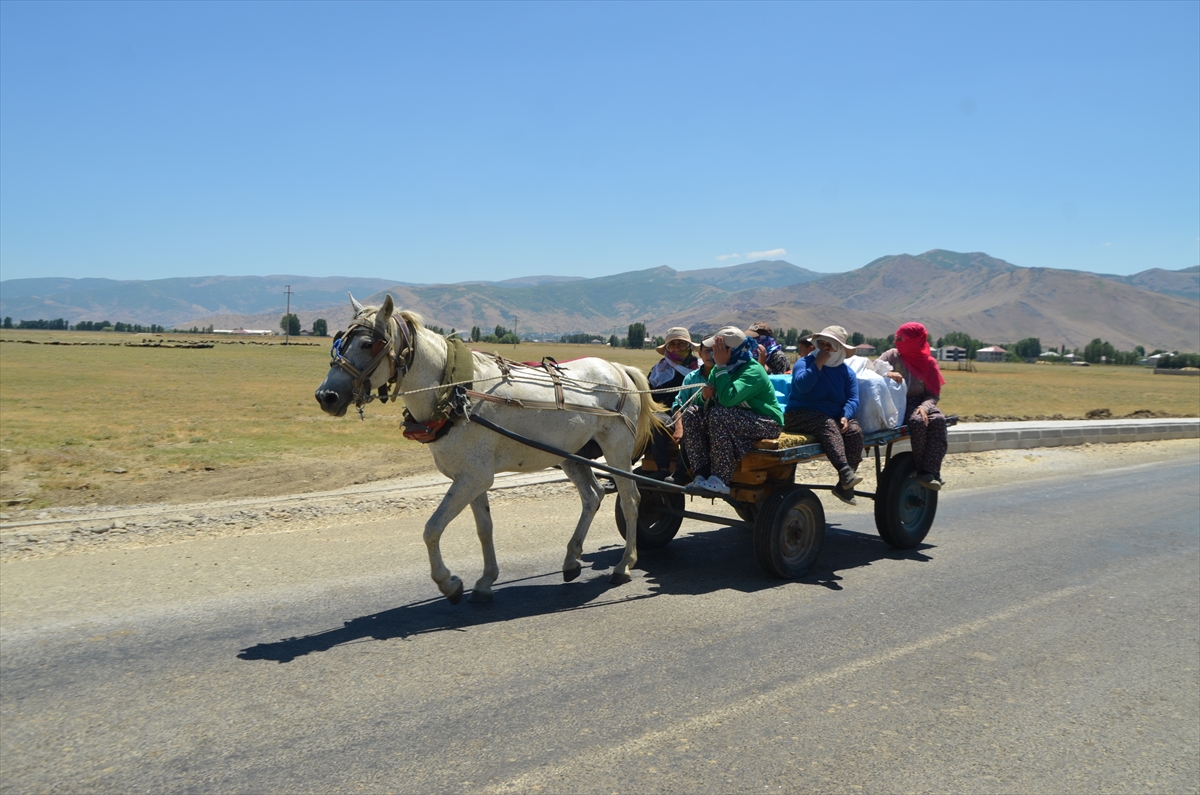
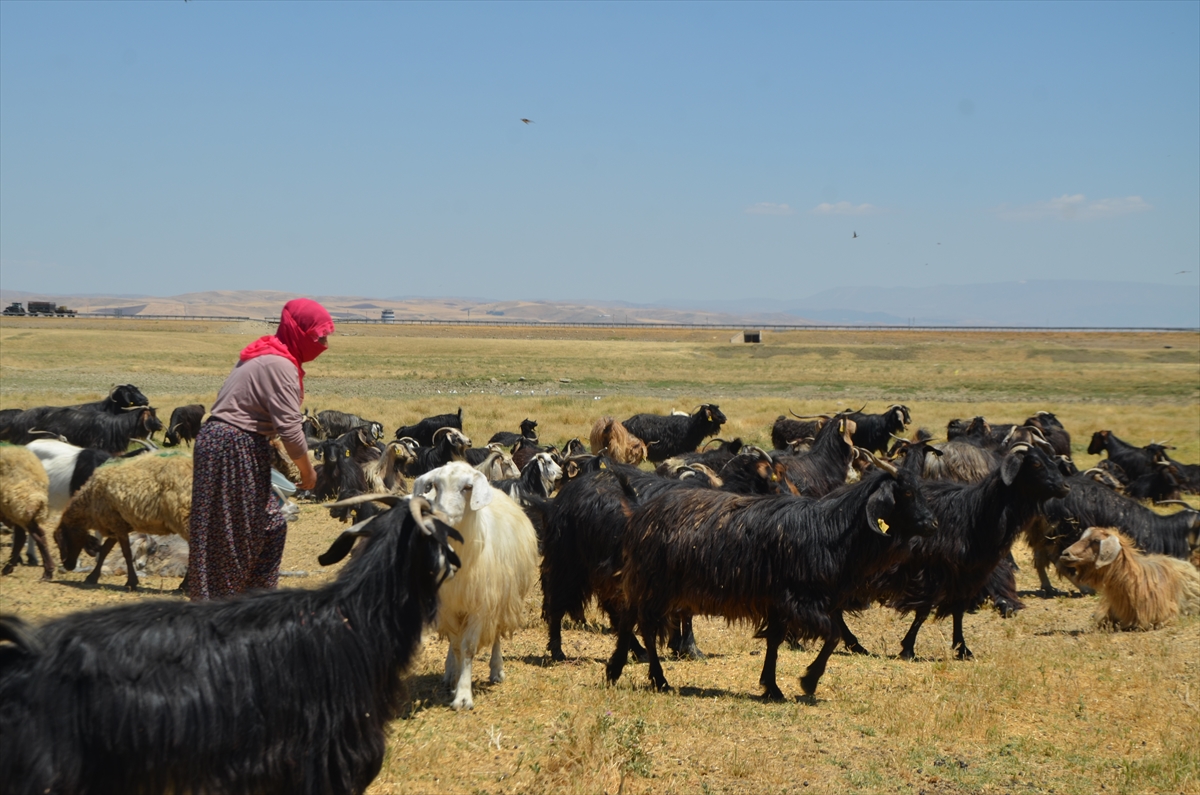
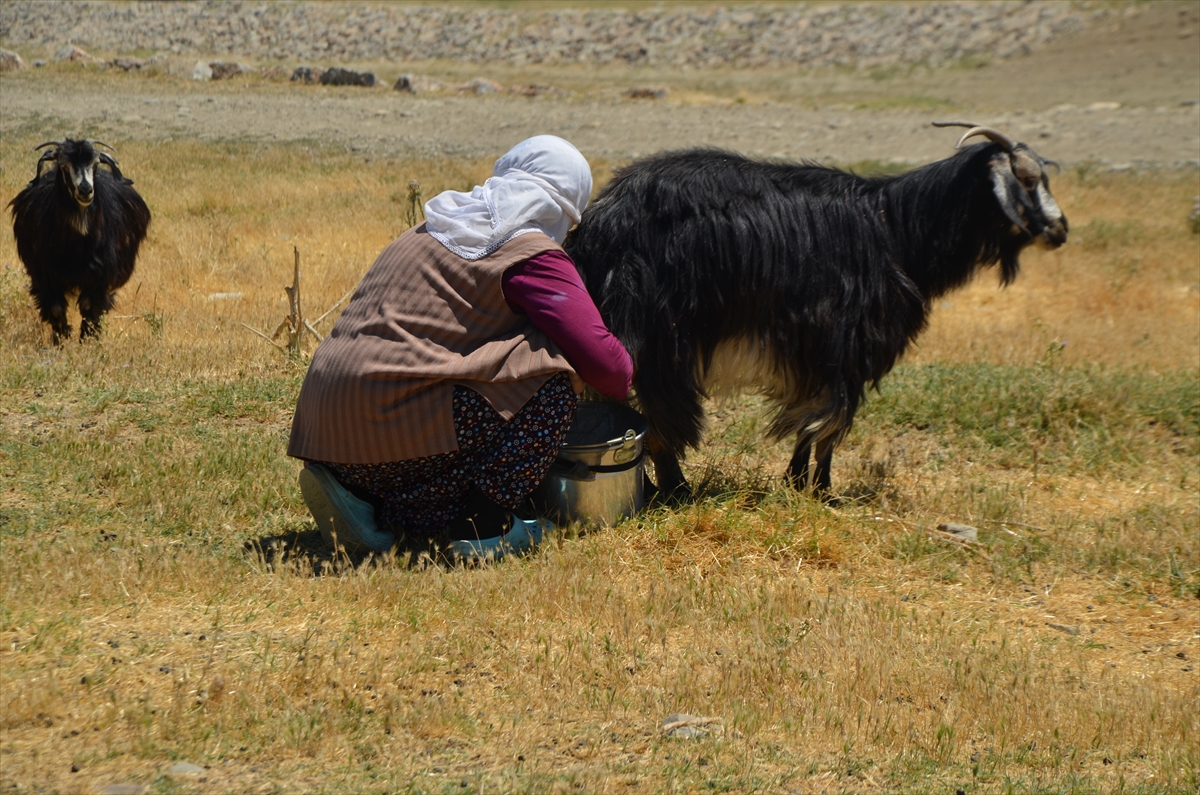
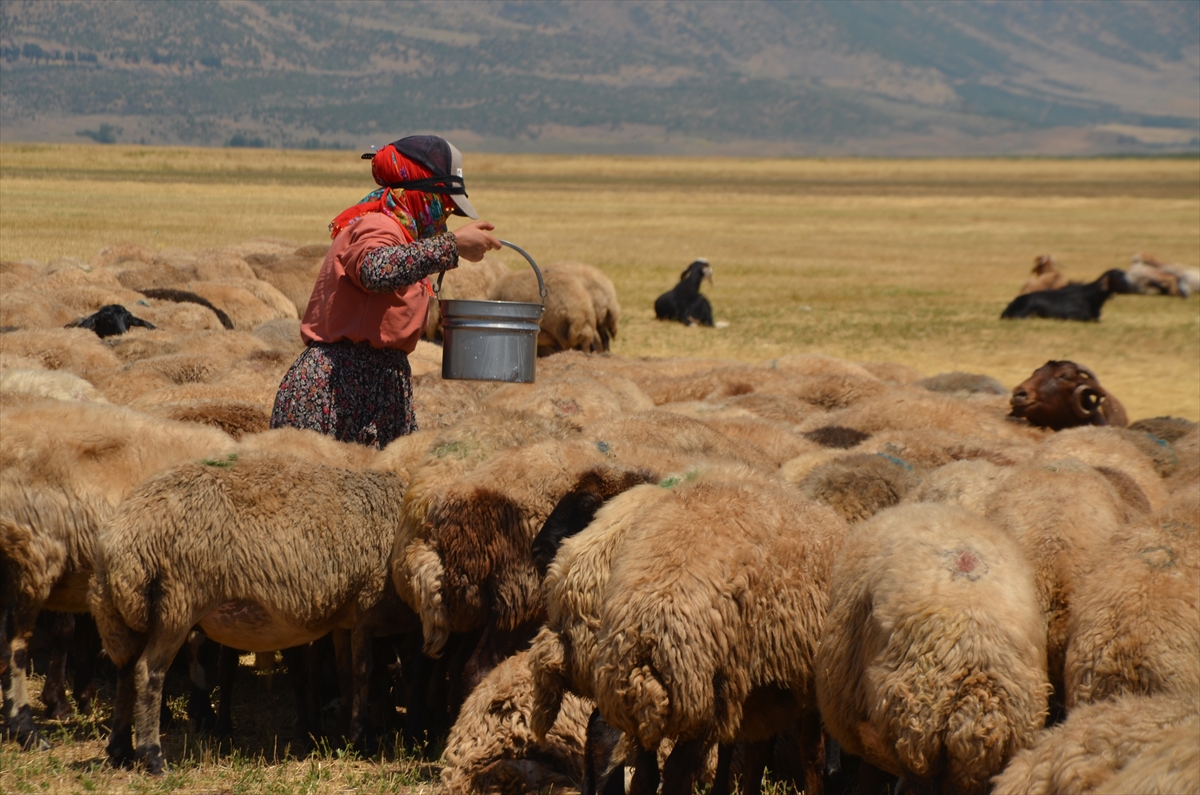
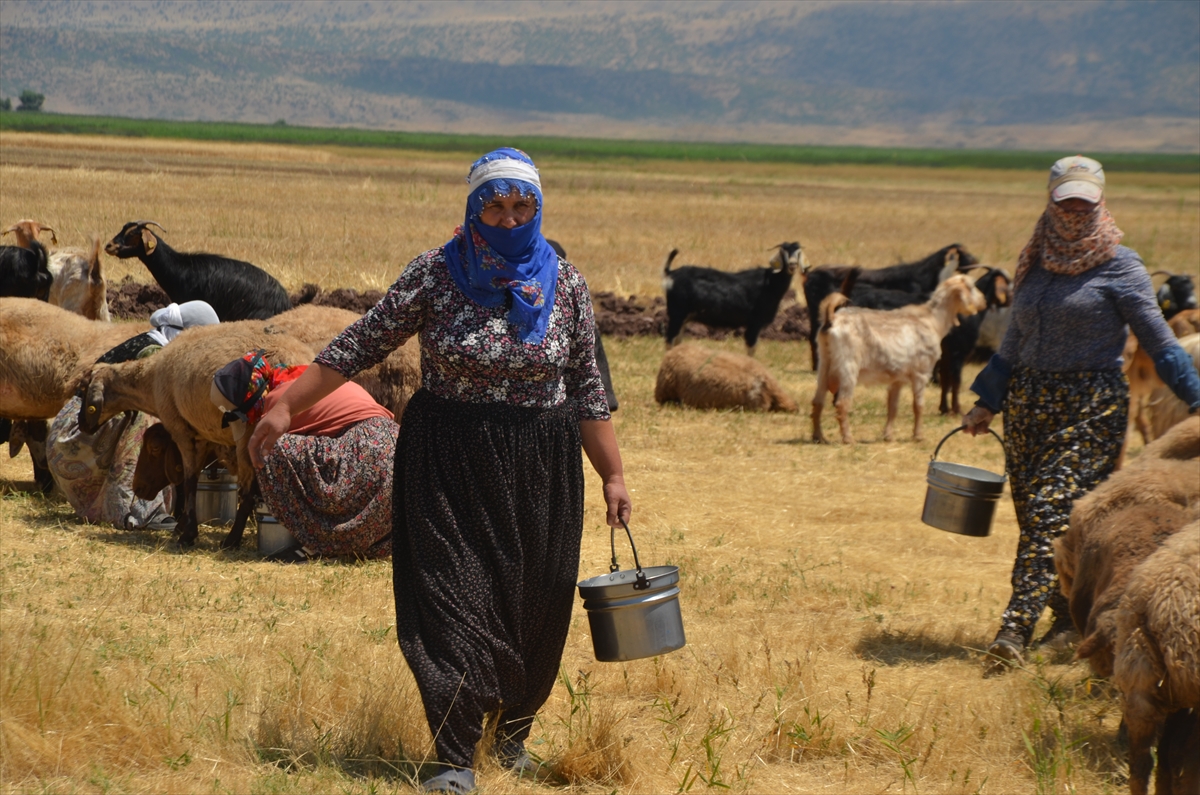
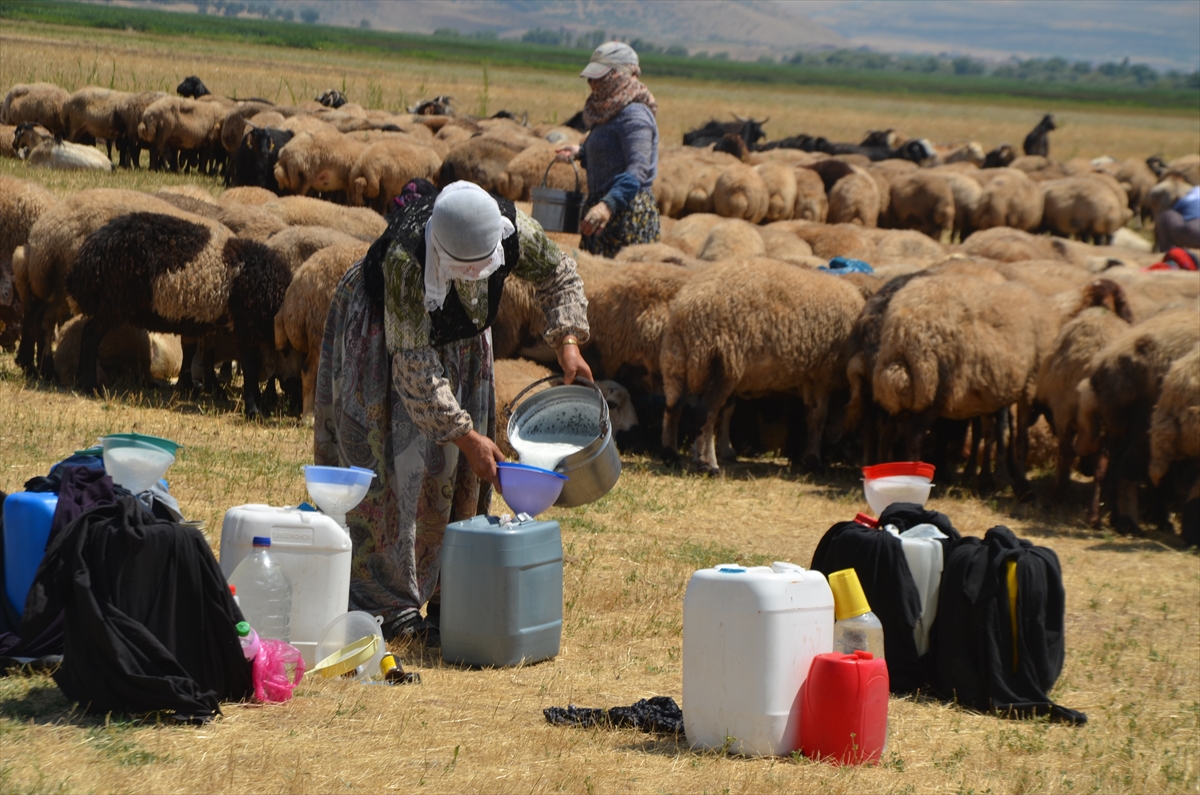
In Muş, berivans (women who milk animals) start their arduous work in the early morning hours. They milk hundreds of sheep and goats in the plateaus.
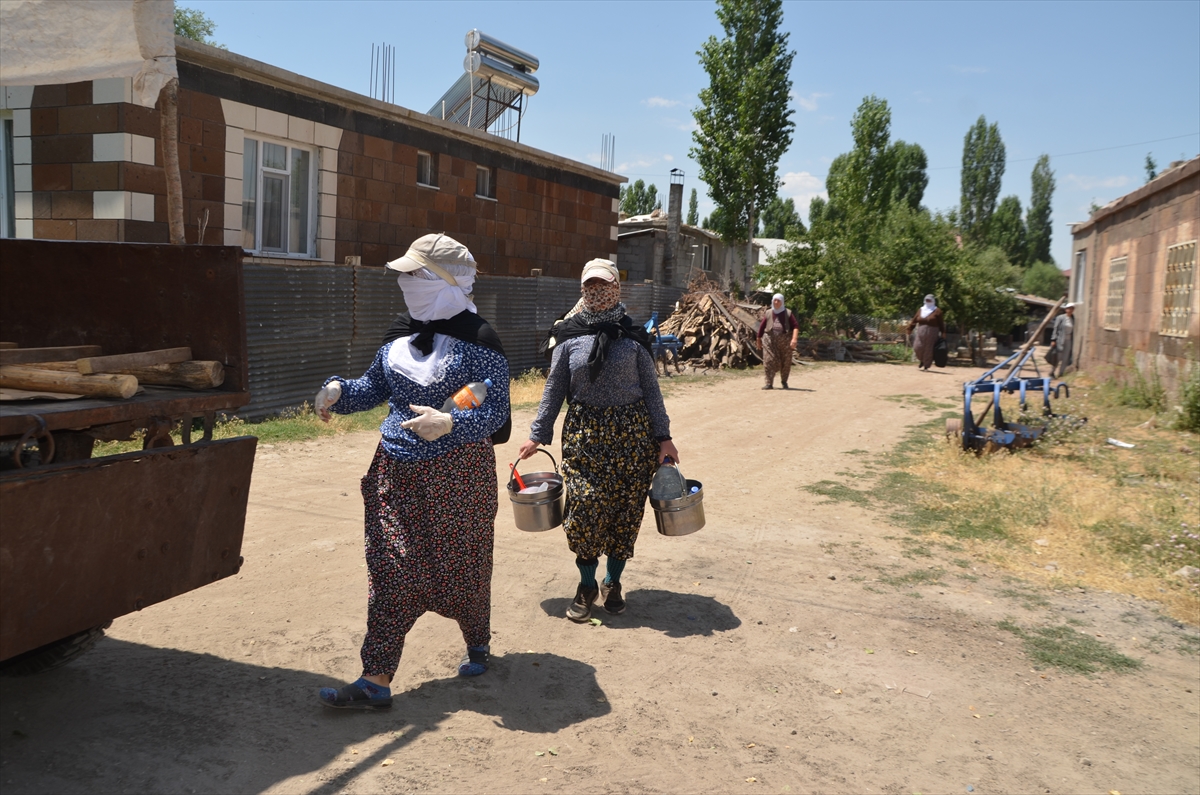
Women living in Altınova town, part of Korkut district, finish their housework and then head to the plateaus where the herds are, carrying their buckets and containers.
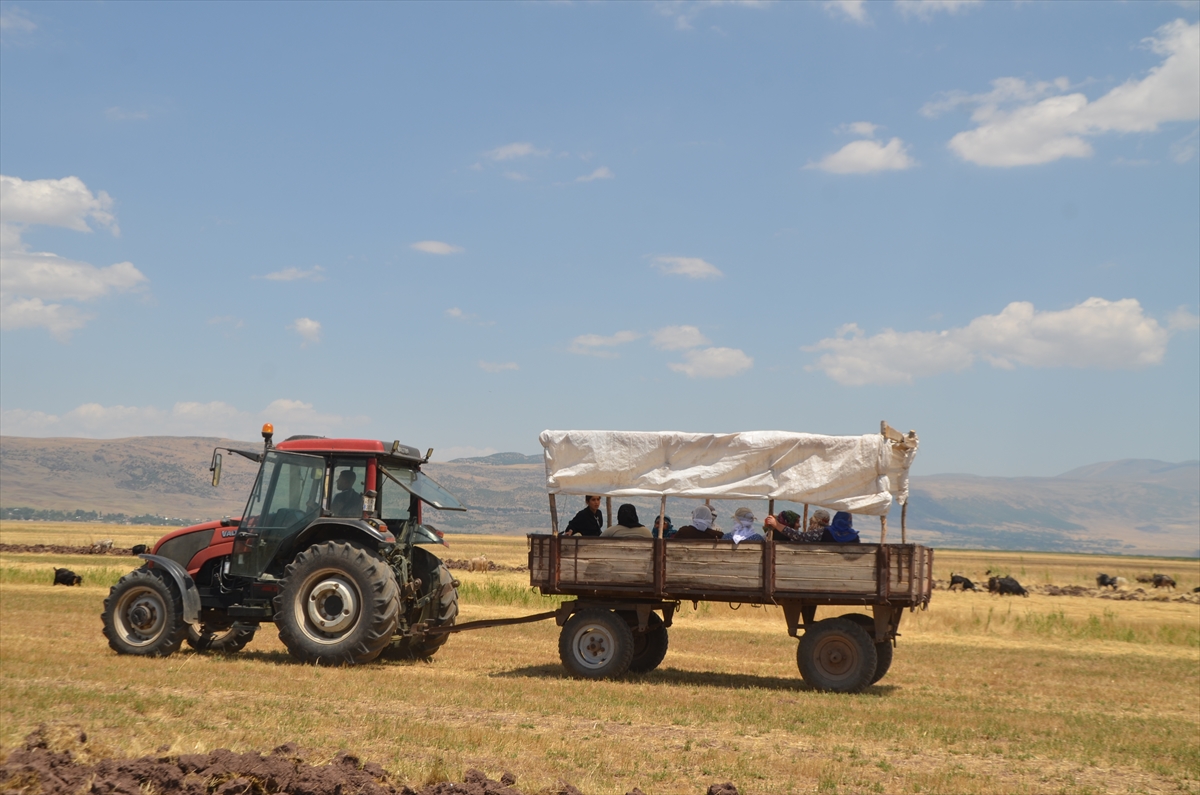
After an approximately one-hour journey by jointly rented tractors or horse-drawn carts, they reach the area where the animals are. They complete their preparations and begin the milking process.
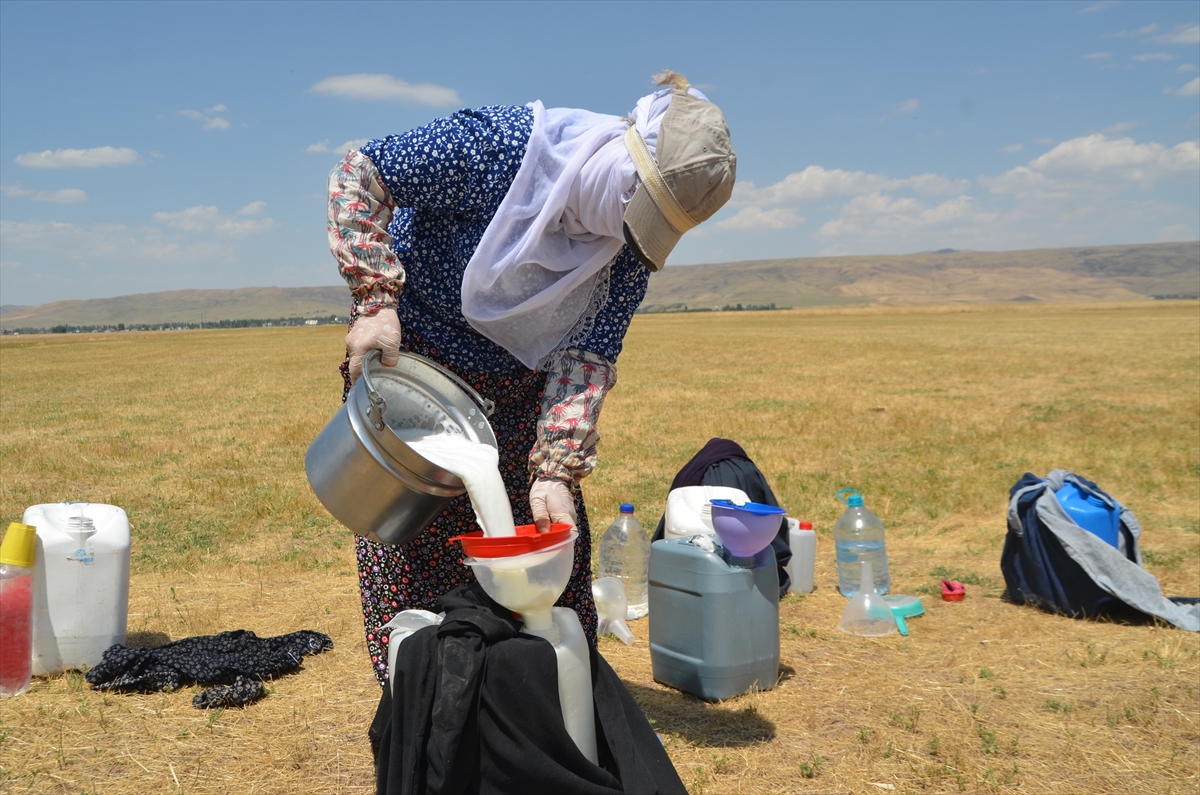
Despite the hot weather, they milk hundreds of sheep and goats. They transport the milk they obtain to the village and turn it into yogurt, cheese, and butter.
The berivans continue the same work routine every morning and evening. They contribute to their family budgets by selling a portion of the products they prepare.
One of the women, İpek Taş, stated that they travel a total of 20 kilometers round trip every day to milk the sheep and goats.
Taş noted that they reach the area where the animals are after an arduous journey and added: "We are involved in animal husbandry. We go back and forth twice every day, in the morning and in the evening. Each time we travel approximately 10 kilometers, totaling 20 kilometers a day. We work both here and at home. In summer, in temperatures reaching 35-40 degrees Celsius, we take care of our sheep and goats and milk them. We produce and sell cheese from the milk. Our work is truly very difficult, but we love it. Animal husbandry is our livelihood. That's why we continue to work despite all the difficulties."
Sabahat Yaprak, another berivan, also stated that they work at an intense pace in village life. Yaprak said, "Village life is like this. Some have been involved in animal husbandry for 20 years, some for 30 years. I have been doing this for about 9 years. We have to because we have no other income. If we don't work, we can't make a living. Making bread, taking care of children, housework, and all other responsibilities mostly fall on women's shoulders. We carry the burden of the home and also support animal husbandry when needed. We work under difficult conditions, but we try to survive through our labor."
Comments
…Loading comments…