
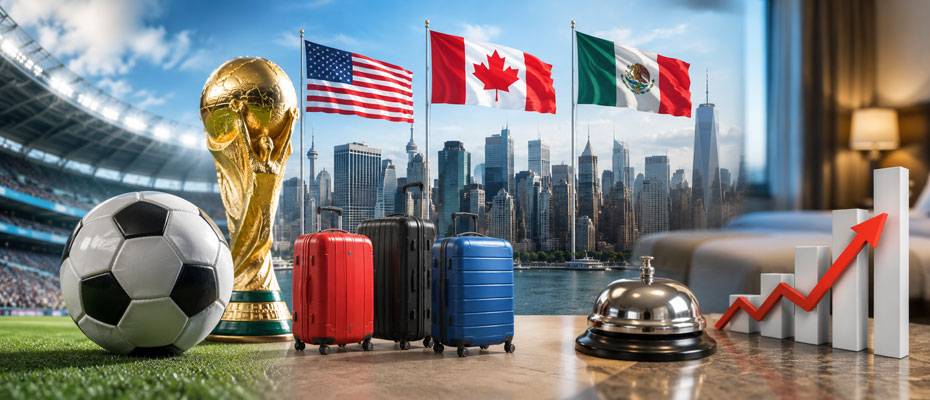
Ahead of the 2026 FIFA World Cup, hosted by the US, Canada, and Mexico, the tourism sector was expecting millions of additional visitors and record revenues. However, initial assessments showed that despite rising hotel prices, occupancy rates in many places did not meet expectations. This situation reopened the debate on the impact of major sporting events on tourism.
Prices rose, occupancies fell short of expectations
Ahead of the tournament, airlines, hotels, and rental platforms had prepared for intense demand.
In cities where matches were played, especially on match days and the nights before, hotel prices significantly increased. However, in some markets, hotel occupancies remained flat or even declined compared to the same period last year.
Tourism economists also revised downwards their forecasts for the increase in international visitors to the US in 2026.
High costs limited demand
Experts noted that travel costs played a decisive role in the failure of the expected tourism activity to materialize.
Rising airfare prices, expensive accommodation, match tickets, and high transportation costs in an event spread across three countries, made World Cup travel quite expensive for many fans.
According to industry assessments reported by Reuters, high ticket prices, visa processes, and logistical challenges were the main factors limiting international fan demand.
Mega-events are no longer sufficient on their own
One of the most important outcomes of the 2026 World Cup was that major sporting events no longer guarantee high tourism revenue and hotel occupancy on their own.
It was observed that if pricing rises excessively, if transportation becomes difficult, or if the total travel cost increases, tourist demand may fall below expected levels.
This experience is considered to contain important lessons for Spain, Portugal, and Morocco, who are preparing for the 2030 FIFA World Cup, as well as for Saudi Arabia, which will host the 2034 World Cup.
Image: © AI-generated illustration


Comments
0 commentsNo comments on this article yet. Be the first!