
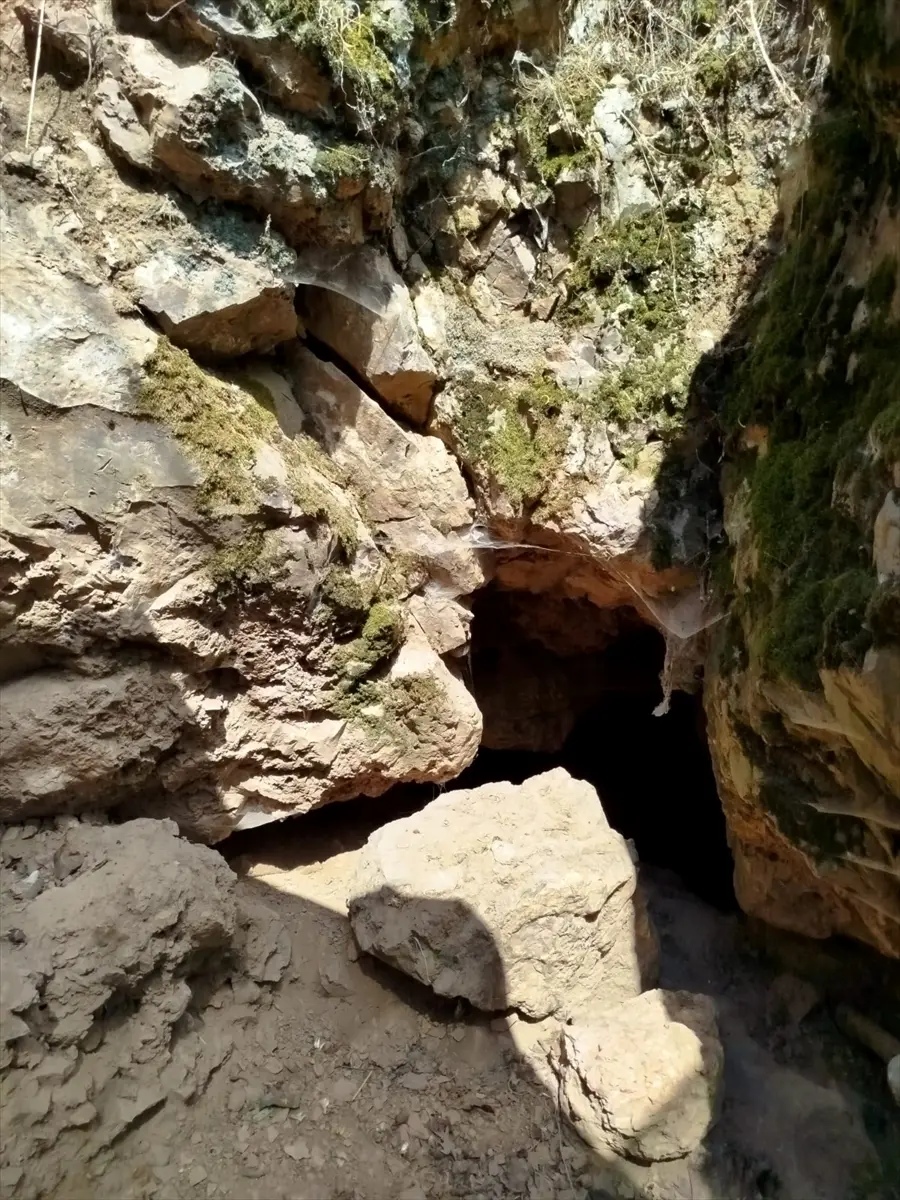
New scientific methods will be applied this year in the archaeological excavations carried out at İnkaya Cave in Çan district of Çanakkale. The aim is to reach significant findings related to the Paleolithic Age through studies in the cave, which dates back 86,000 years.
İnkaya Cave, located 2 kilometers from Bahadırlı village in the district, holds the distinction of being the first Paleolithic period cave discovered in Western Anatolia. The team led by Prof. Dr. İsmail Özer, a faculty member at Ankara University's Faculty of Languages, History and Geography, is continuing the excavations in their 10th season.
With the permission of the Ministry of Culture and Tourism's General Directorate of Cultural Heritage and Museums, and sponsored by Truva Bakır Madencilik and T-Design Mühendislik Şirketi, excavations under a Presidential decree have so far unearthed over 35,000 flint and basalt carved stone tools and their fragments, dating from the end of the Middle Paleolithic Period to the beginning of the Upper Paleolithic Period.
Research indicates that the cave was used by humans approximately 86,000 to 22,500 years ago. It is stated that the region was preferred as a living space for a long time due to its rich water resources, raw stone materials, and food opportunities.
In the excavation, which aims to shed light on the mutual migrations of Paleolithic Age humans between Anatolia and the Balkans, in addition to revealing the presence of fossil humans in Western Anatolia, geophysical subsurface imaging, thermal drone, environmental DNA (eDNA), and optical dating methods will be used together for the first time this year.
"Excavations to continue in the workshop area west of the cave's main section"
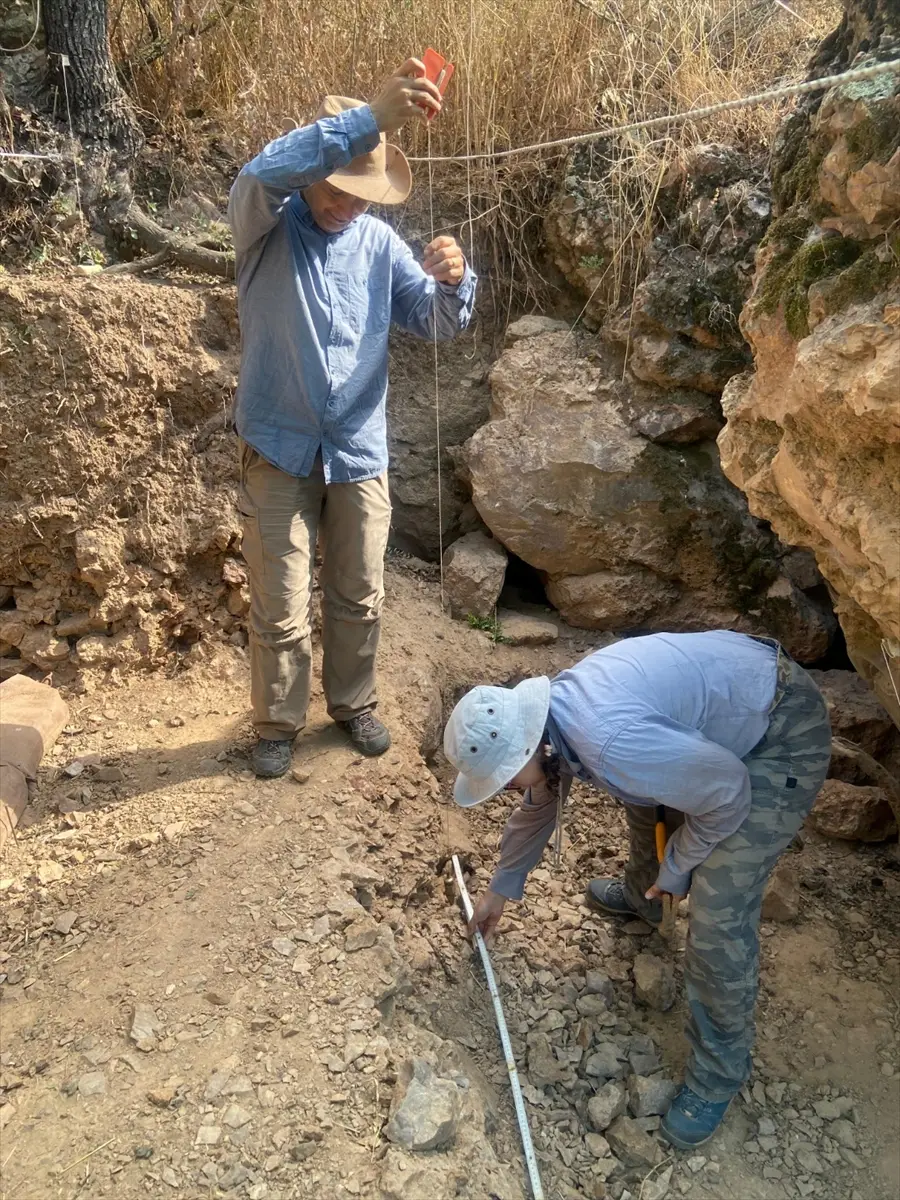
Excavation Head Prof. Dr. İsmail Özer stated that this year, work will be carried out in three different sections of the cave.
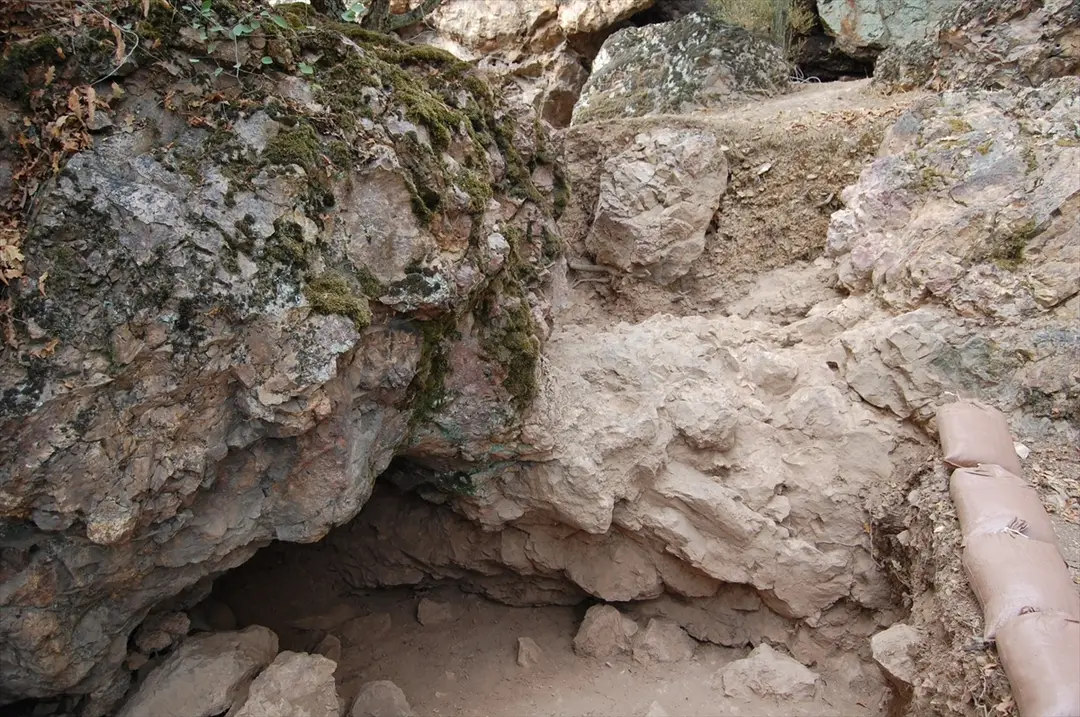
Özer stated that the excavations will primarily continue in the production area, considered a "workshop" in the western part of the cave, and that by removing the accumulated fill soil, the western entrance, which had remained closed until now, has begun to be uncovered.
Özer expressed that thanks to the expanded excavations, research is planned to be conducted for the first time in the undisturbed cultural layers within the cave.
Özer stated that the 2026 excavation works will be carried out in at least 3 different areas of the cave, and said:
"Excavations will primarily continue in the workshop area west of the cave's main section. This is an area where these cave dwellers largely carried out their production activities and later abandoned. For now, it has a fill exceeding 3.5 meters in thickness. The entrance, which was closed due to accumulated waste soil in this area, has begun to be opened. With the expansion of these openings, excavation work is planned to be carried out for the first time in the undisturbed layers within the cave."
Özer also stated that they will carry out activities such as landscaping, analysis of findings, and placing information panels for visitors to the area, adding:
"This season, the excavations will also be accompanied by subsurface imaging using geophysical methods, 3D mapping of the area with RGB and thermal drones, determination of the region's paleoecology through environmental DNA (eDNA) analyses, and dating of new excavation areas with optically stimulated luminescence (OSL) analyses. Thanks to the scientific studies we will conduct this year, we aim to reach significant findings that will change the course of the excavation."
Özer pointed out that the findings obtained at İnkaya Cave have different characteristics from other Paleolithic cave excavations in Turkey, adding that they may be related to Balkan Paleolithic culture and are expected to shed light on prehistoric human movements between Anatolia and the Balkans.










Comments
0 commentsNo comments on this article yet. Be the first!