
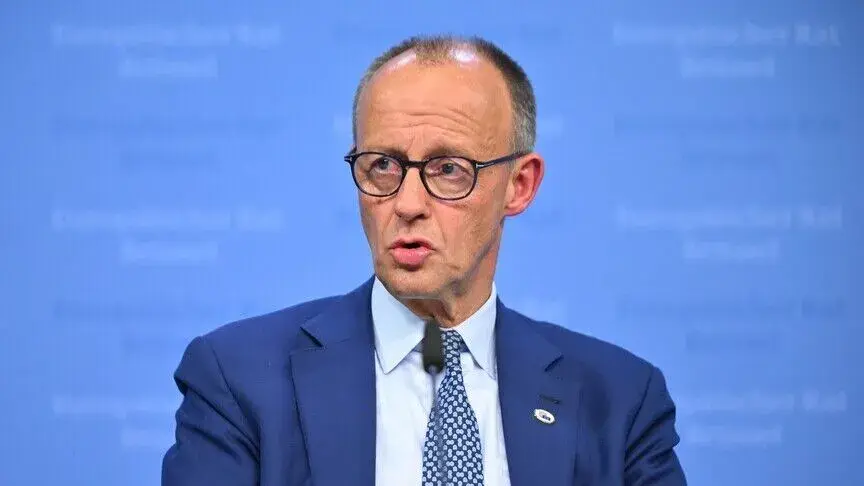
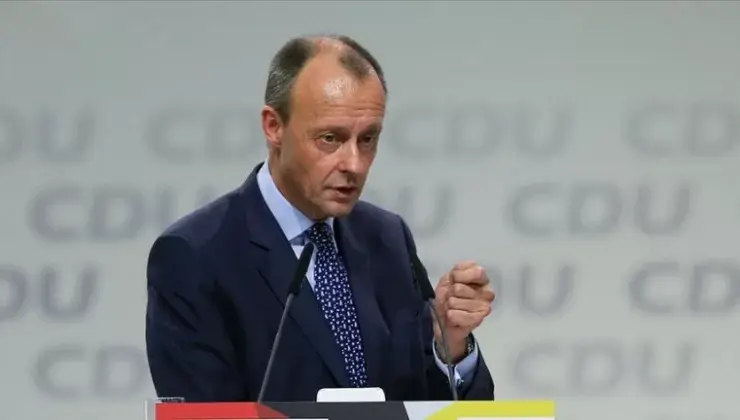
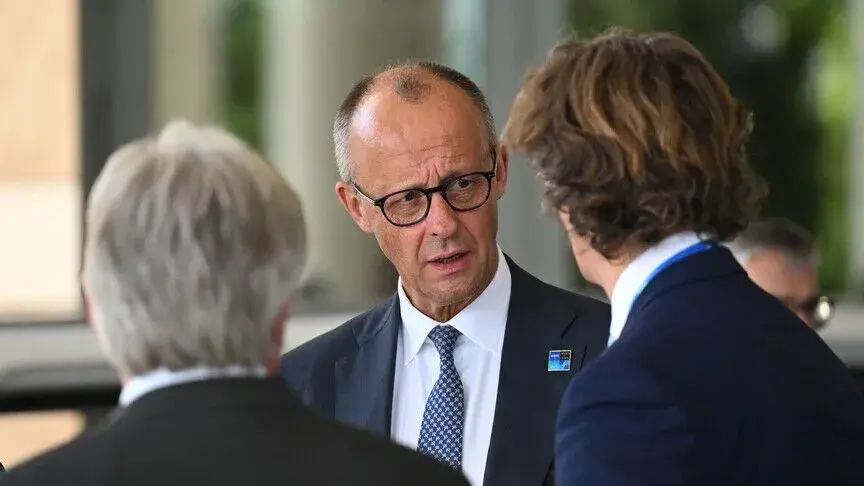
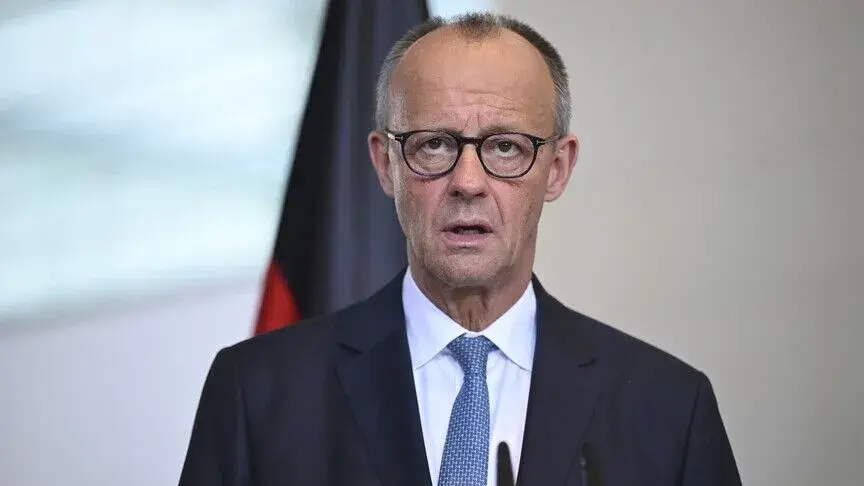
German Chancellor Friedrich Merz emphasized the need to accelerate reforms at the coalition cabinet meeting in Neuhardenberg.
In a statement made before the meeting, Merz stated that priorities in reform processes must be determined and the pace of implementation increased.
He called for existing reform drafts to be quickly decided upon in parliament. He stated that new perspectives must be created for the business community and citizens.
Merz stated that the public was right to expect action. He conveyed a message of determination with the words, "We are aware of the problems and are increasing our speed in solving them. We are taking action."
He said that Germany has the potential to set a model in global competition. He emphasized that there was no reason for the country to underestimate itself.
The coalition government had announced a comprehensive reform package on July 2. This package included an annual 10 billion euro tax exemption for low and middle-income citizens, changes to the pension system, and the production of affordable housing.
The package, under the "Economic Growth and Employment Program," also included provisions such as tightening medical certificate practices against high sick leave and prohibiting the nationalization of large real estate companies.
Merz noted that the implementation schedule for these regulations would be accelerated at the Neuhardenberg summit.
Reaction from Business and Trade Unions
The German Federal Statistical Office (Destatis) announced that the economy grew by 0.3 percent in the second quarter. However, this growth was sustained by public spending, and private sector investments did not revive. This situation caused reactions.
Tanja Gönner, CEO of the Federation of German Industries (BDI), stated that the government must prove its ability to act. Gönner used the expression, "The announced reforms must urgently be transformed into concrete laws."
Michael Vassiliadis, General President of the Mining, Chemical and Energy Industrial Union (IGBCE), reminded that 15,000 industrial jobs are lost every month in the sector. Vassiliadis called for an urgent strategic turning point.
Chancellor Merz, who has fallen behind the far-right Alternative for Germany (AfD) party in public opinion polls and whose approval rating has dropped to 30 percent in surveys, had been under pressure for reforms for a long time.
Following the two-day summit, coalition partners will meet in Münster on Thursday to clarify the roadmap.



Comments
0 commentsNo comments on this article yet. Be the first!