
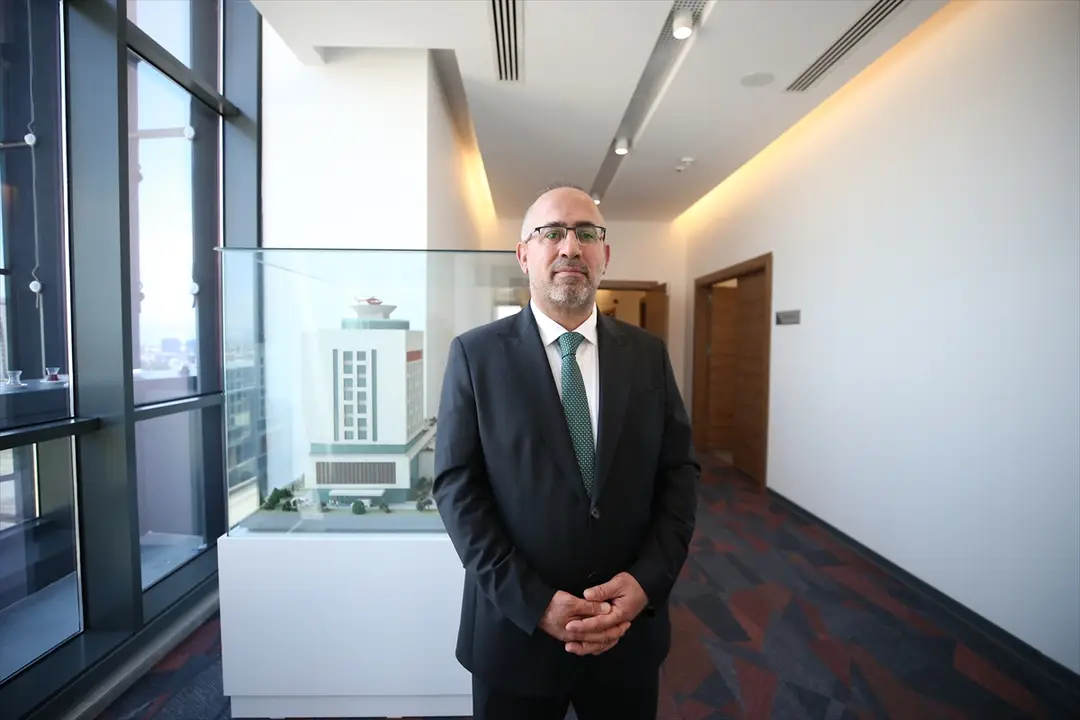
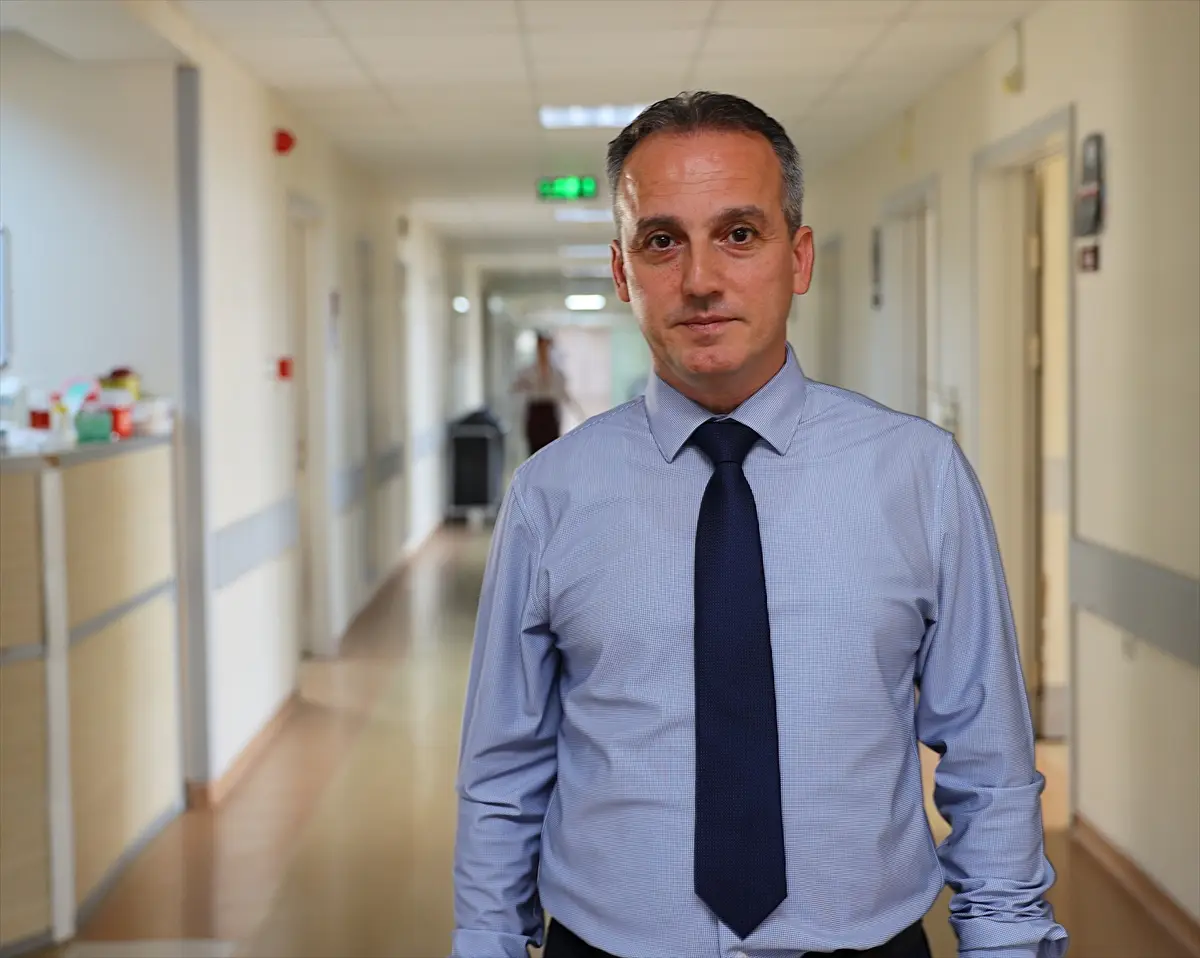
Associate Professor Dr. Bayram Demir, President of the Turkish Health Services Quality and Accreditation Institute (TÜSKA), affiliated with the Presidency of Turkish Health Institutes (TÜSEB), stated that there are nearly 180 new accreditation applications covering public, private, and university healthcare facilities.
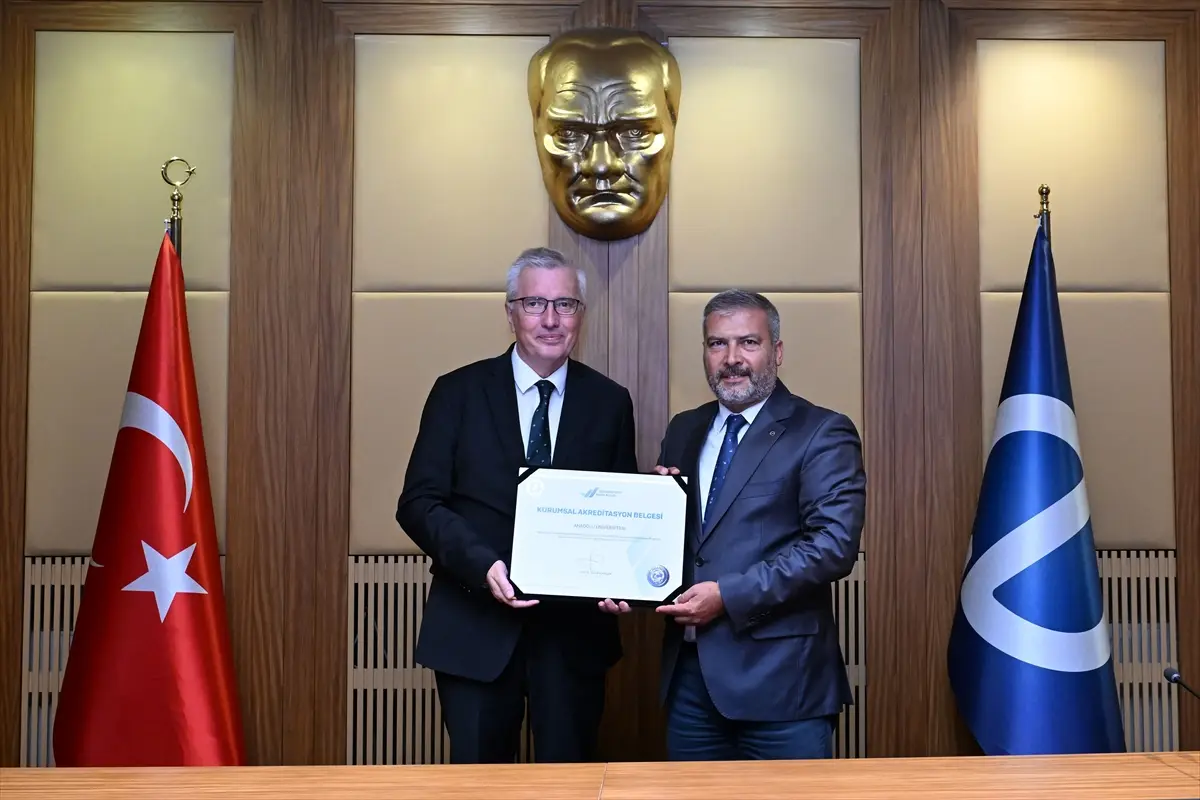
In a statement made in Bursa, Demir noted that TÜSKA accredits hospitals, laboratories, oral and dental health institutions, and dialysis centers in line with national and international standards.
The main purpose of accreditation is to improve the quality of healthcare services and strengthen patient, employee, and facility safety. Demir stated that healthcare institutions' compliance with international standards is documented through independent evaluations.
Demir pointed out that the Ministry of Health has included quality and accreditation efforts among its important agenda items, stating that this approach supports continuous improvement in healthcare services.
Demir emphasized that the demand for accreditation has significantly increased recently. "Currently, we have nearly 180 new applications. These include public, private, and university healthcare facilities. We see a feverish effort being carried out across Turkey for accreditation, which we call the pinnacle of quality in healthcare services. I am sure this will spread throughout our country. Our Ministry of Health has been conducting quality studies for 20 years. The increasing importance of this accreditation is related to the vision set by our Minister Kemal Memişoğlu for quality in healthcare services within the Turkish health system in 2025," he said.
Demir stated that accreditation applications continue to increase steadily. "We believe this will increase both by the end of 2026 and in 2027. Because as the TÜSKA Institute, we are a public institution with an international identity. I would also like to state that we have financially accessible options for all our healthcare facilities compared to our international counterparts," he said.
International collaborations are also ongoing. Demir noted that TÜSKA continues its collaborations in quality and accreditation with Senegal, Albania, Kyrgyzstan, Sri Lanka, and Azerbaijan.
Demir stated that efforts are underway to develop the quality system in healthcare services in the Turkish Republic of Northern Cyprus, adding that TÜSKA's promotional brochures have been prepared in 10 foreign languages to increase its international visibility.
Demir emphasized that TÜSKA's inclusion in the bulletins of the International Society for Quality in Health Care (ISQua) has strengthened Turkey's visibility in the field of healthcare quality. "Our TÜSKA is also a respected member of this international community. Indeed, we saw that our umbrella organization featured our work this year. It included TÜSKA's work in its official bulletins. This inclusion increases our visibility worldwide. Furthermore, it is widely known that our medical services have an undeniable position in modern healthcare services on a global scale," he stated.
Demir, stating that "patient safety forms the main axis of our standards," noted that the most important reason for healthcare institutions to apply for accreditation is to have the compliance of their services with international standards certified by an independent organization. He also added that accreditation increases institutional prestige.
Pointing out that patient safety forms the foundation of accreditation standards, Demir said, "Patient safety forms the main axis of our standards. As long as an institution accredited by TÜSKA ensures compliance with the standards, it means it prioritizes patient safety, employee safety, and facility safety."
Demir stated that Turkey has the potential to become an international brand in healthcare quality, adding that successes in health tourism also support this process.
Demir pointed out that they aim to contribute to the promotion of Turkish healthcare institutions through international meetings, academic publications, and collaborations, and invited all healthcare institutions to join the TÜSKA accreditation system.


Comments
0 commentsNo comments on this article yet. Be the first!