
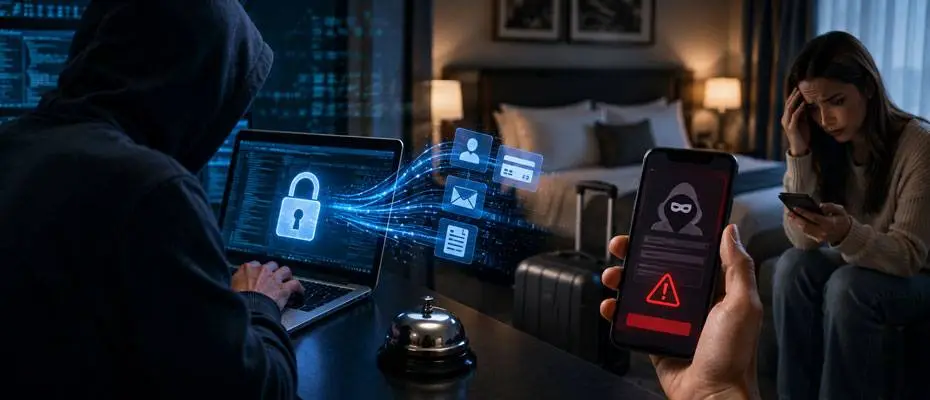
The Spanish Data Protection Agency (AEPD) warned of a significant increase in cyberattacks targeting hotel reservation systems in July. A total of 919 personal data breaches were reported to the agency in July. This number was recorded as 518 in June and 282 in July 2022.
Although the data does not exclusively cover attacks in the hotel sector, the AEPD highlighted an increase in criminal access to the reservation systems of accommodation establishments. Compromised reservation information can be used in fraudulent schemes targeting hotel customers.
Reservation Data Becomes a Fraud Tool
Attackers access customers' personal information and reservation details from hotel systems. This information makes fraudulent messages highly convincing.
According to the AEPD, attackers reach customers via reservation platforms, email, or messaging services. They claim there is a problem with the payment and demand that the reservation fee be paid again. The agency stated that these attempts were successful in some cases, causing financial damage to customers.
This method can lead to various crimes, including identity theft and fraud.
Security Warning for Hotels
The AEPD emphasized that responsible data managers of hotels that have been attacked should report the incidents to the police or judicial authorities.
The agency also requested that hotels pay attention to the selection of personnel responsible for reservation and personal data processing. It recommended working with service providers that can ensure an adequate level of security.
The AEPD report warned that hotel businesses should only use reservation management services that can guarantee an adequate level of security for their customers' personal data.
Reservation Data a Critical Target in the Tourism Sector
For hotels, the danger of attacks is not limited to data loss alone. The ability of criminals to use real reservation details increases the likelihood of customers believing fake payment requests are genuine.
The sharp rise in data breaches reported in July showed that protecting hotels' reservation infrastructure and customer data during peak travel periods is becoming increasingly critical for the tourism sector.










Comments
0 commentsNo comments on this article yet. Be the first!