
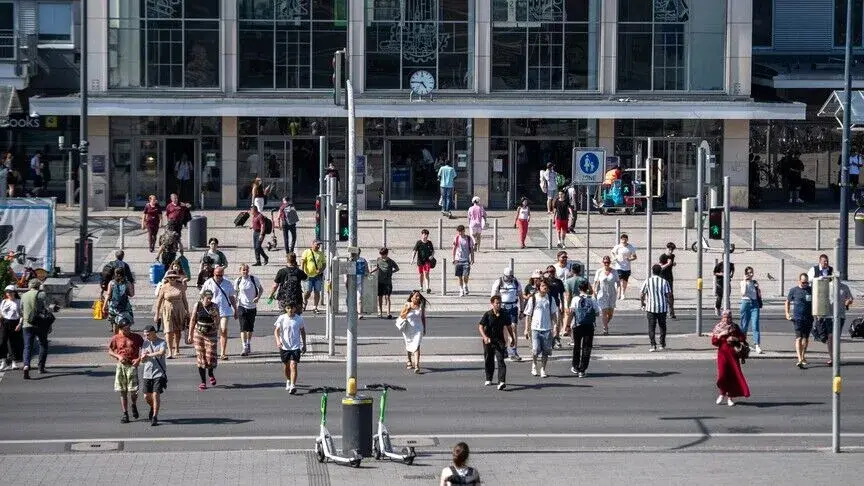
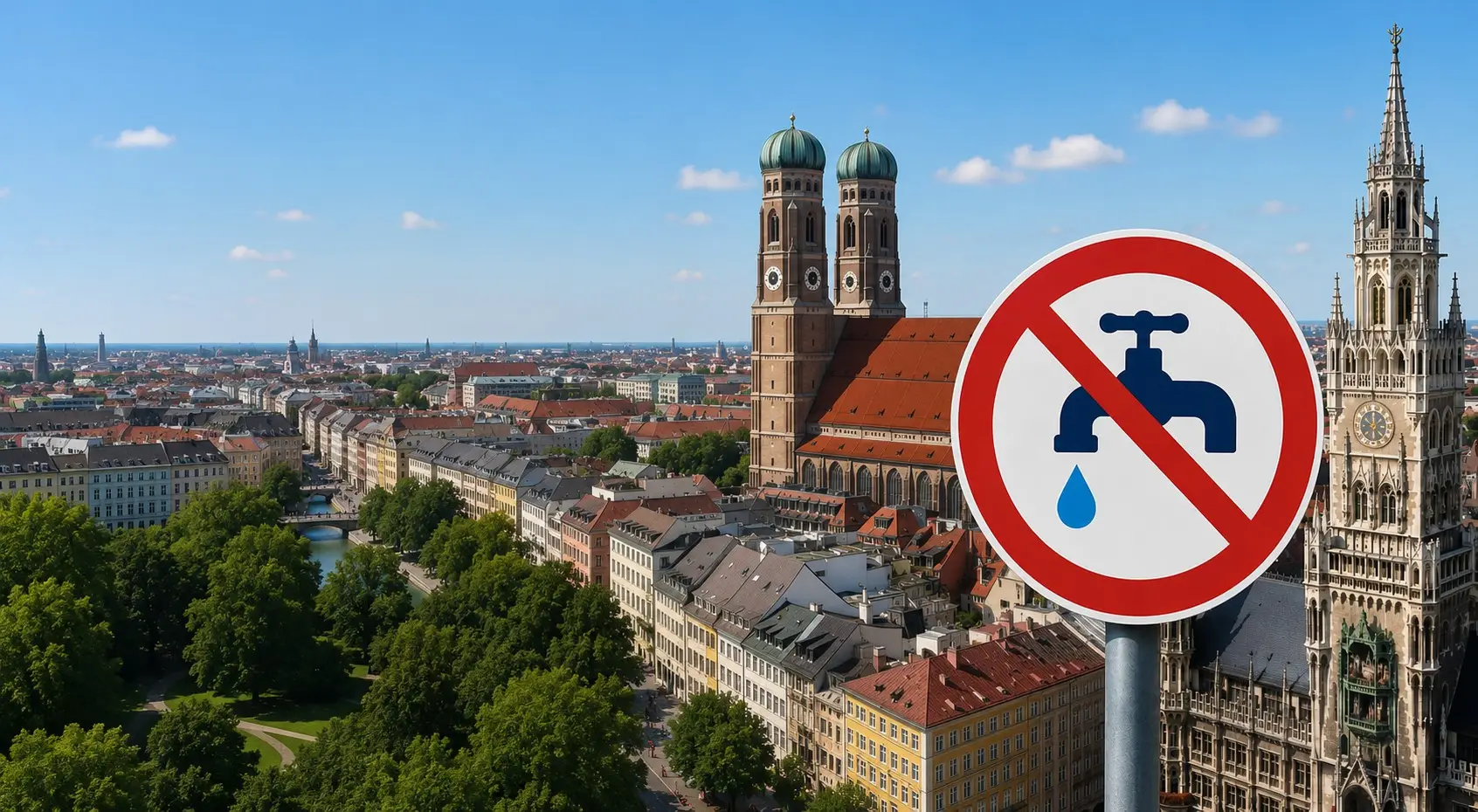
Environmental organization Greenpeace published its analysis titled "The Cost of an Extreme Summer in Germany."
The analysis stated that factors such as crop losses in agriculture, forest fires, increased healthcare expenditures, and production declines caused at least 36 billion euros in damage to the German economy.
This amount was calculated to correspond to 0.8 to 0.9 percent of the country's gross domestic product.
Biggest Blow to Business and Production
The biggest financial loss due to the heatwave occurred in the business sector and production processes. Approximately 25 extremely hot days recorded during the summer period led to productivity losses and production disruptions in the workforce, directly causing 10.8 billion euros in damage to the economy.
This was followed by 5 billion to 7.5 billion euros in damage to forest assets due to drought stress and fires, and a cost of 6.9 billion euros caused by heat-related fatalities through the health economy.
The impact of extreme weather events on other sectors was also severe. While the agricultural sector incurred a loss of 3.4 billion euros due to drought, the cost to the education system from reduced learning efficiency in schools due to high temperatures was estimated at 3.2 billion euros.
The record-low water levels in the Rhine River and disruptions to inland waterway transport imposed an additional burden of 3.4 billion to 4.5 billion euros on logistics and industrial production. Furthermore, 1.8 billion to 3.7 billion euros in damage was identified in public transport infrastructure, while additional treatment expenditures in the healthcare system amounted to 1.54 billion euros.
Real Cost Far Exceeds Estimates
Greenpeace officials stated that some areas could not be included in the calculation due to incomplete data flow, and therefore, the total damage of 36 billion euros should actually be considered a conservative lower bound.
Disruptions in the energy system caused by cooling water shortages in nuclear and thermal power plants across Europe due to reduced river water levels, and the long-term health costs of ozone and fine dust pollution could not be reflected in this balance sheet.
Mauricio Vargas, Greenpeace Finance Expert, evaluating the analysis, stated that this summer's heat and drought were a disaster for millions of people and the national economy.
Vargas stated that although the natural disaster did not leave visible wreckage, the cost it caused was staggering, and emphasized that the German government must urgently take serious steps against the climate crisis.







Comments
0 commentsNo comments on this article yet. Be the first!