
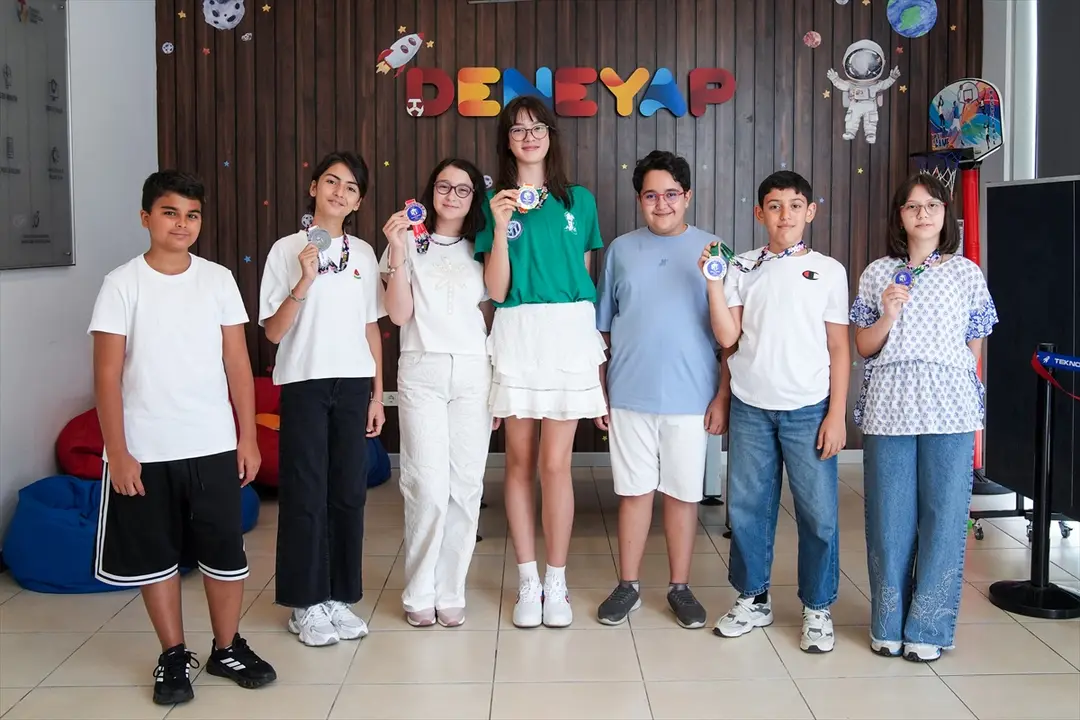
Seven students, who returned with medals from the World Mathematics Invitational (WMI) 2026 World Final held in Japan, revealed the secret to their success. These students receive training at the DENEYAP Technology Workshops of the Turkish Technology Team Foundation (T3 Foundation).
This year, the achievements of Turkish students left their mark at the World Mathematics Invitational (WMI) 2026 World Final, held on July 11 in Tokyo, the capital of Japan.
Students representing Turkey in the international mathematics competition, which thousands of students participated in, returned home with a total of 53 medals, including 2 diamond, 6 gold, 11 silver, and 34 bronze. Additionally, 21 students received the merit award, which is an achievement award.
Nine students, who received training at the DENEYAP Technology Workshops of the Turkish Technology Team Foundation (T3 Foundation), experienced the joy of achieving different ranks in the competition.
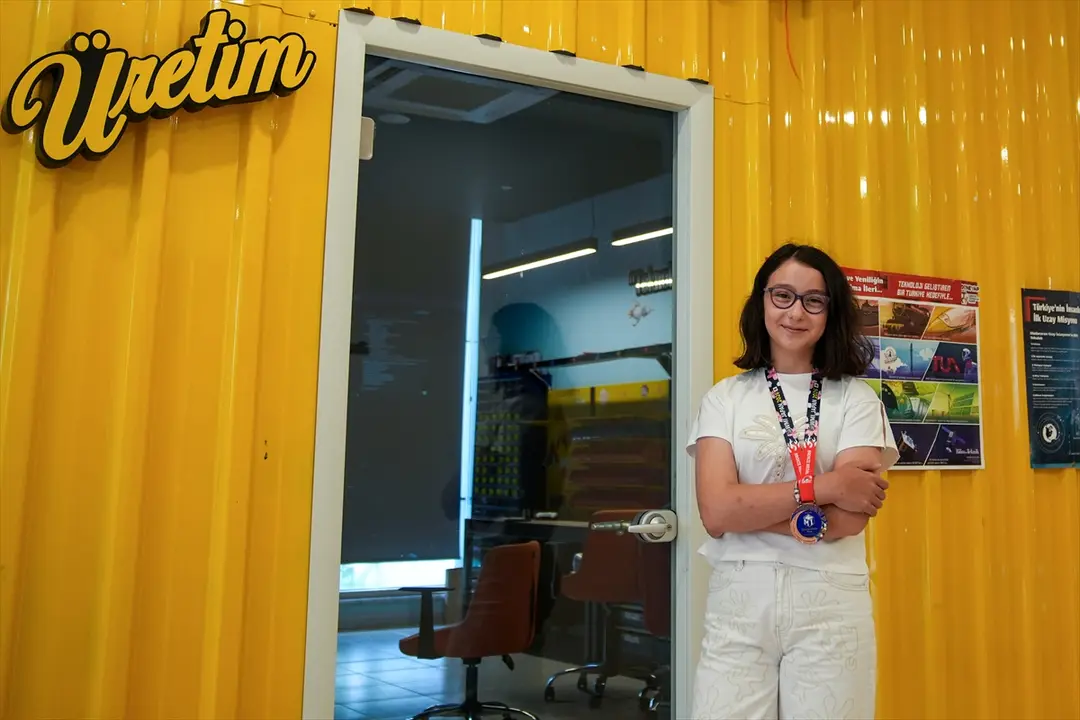
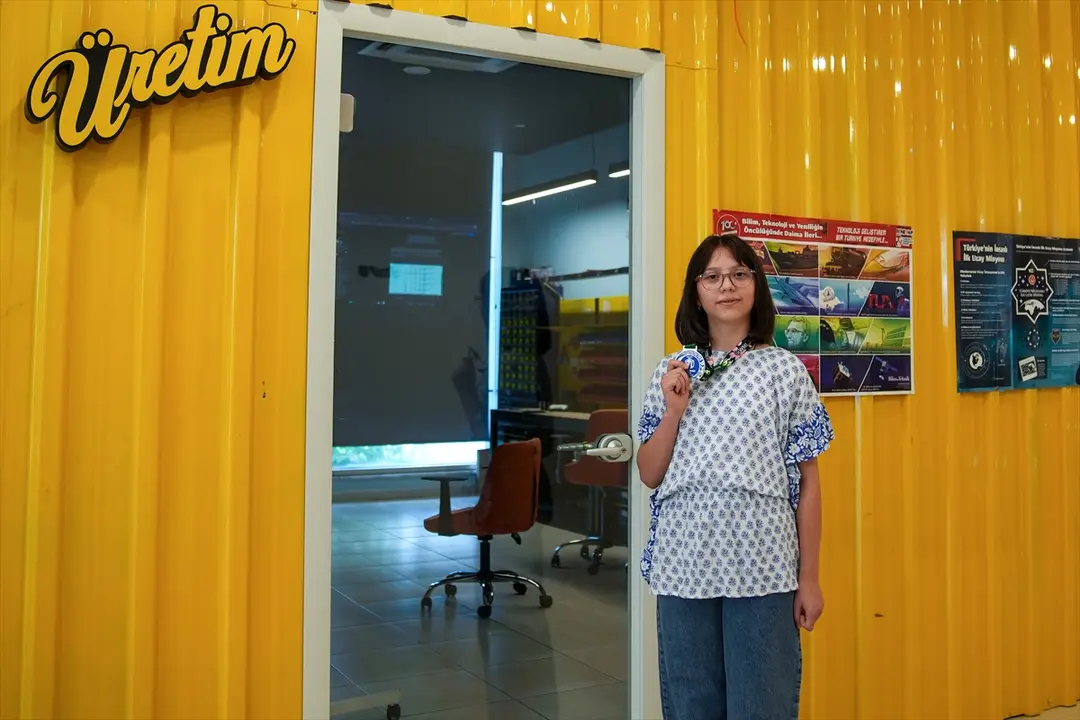
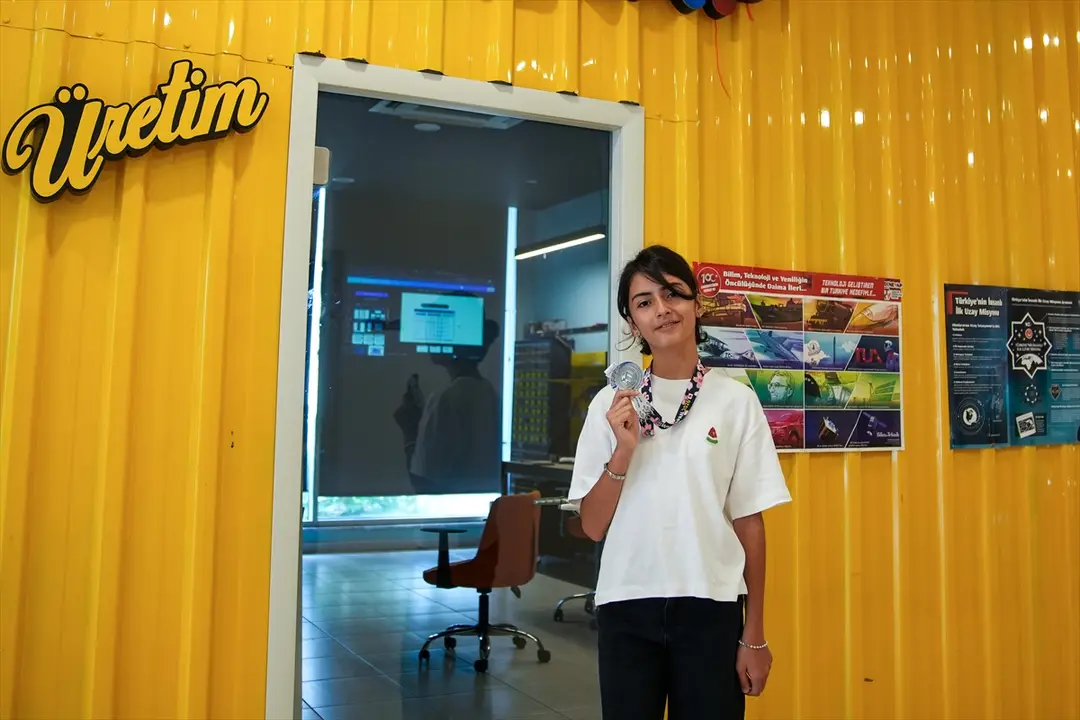
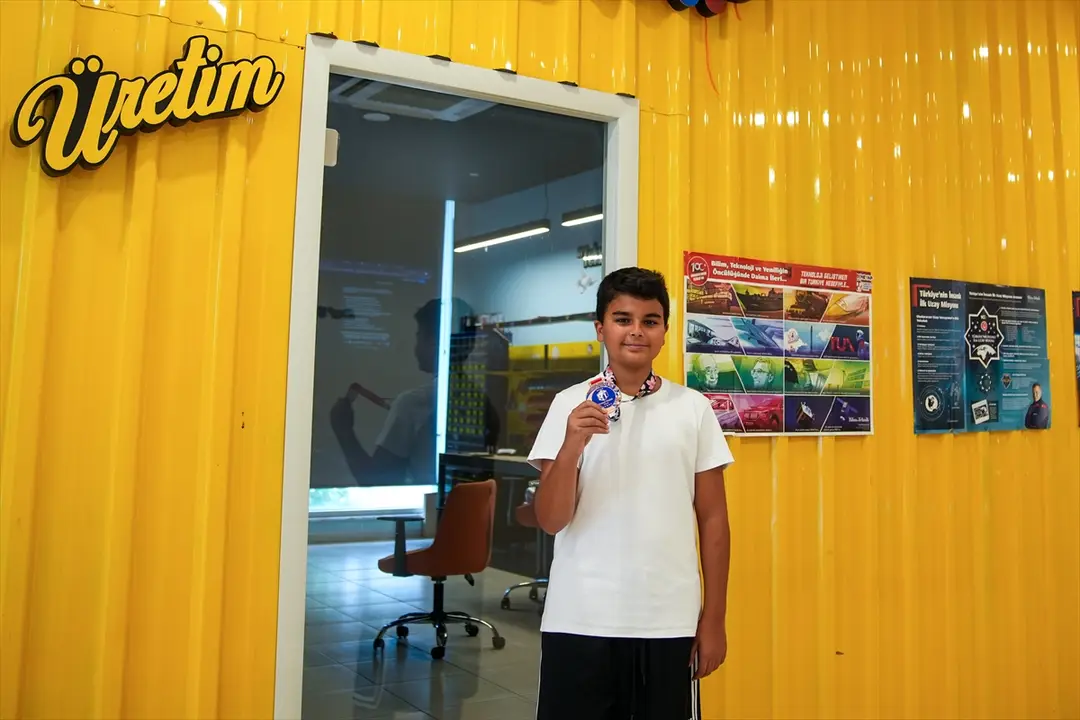
Seven of the students, who met with the AA team at the DENEYAP Technology Workshop in Pendik, Istanbul, explained how they worked to win the medals they wore around their necks.
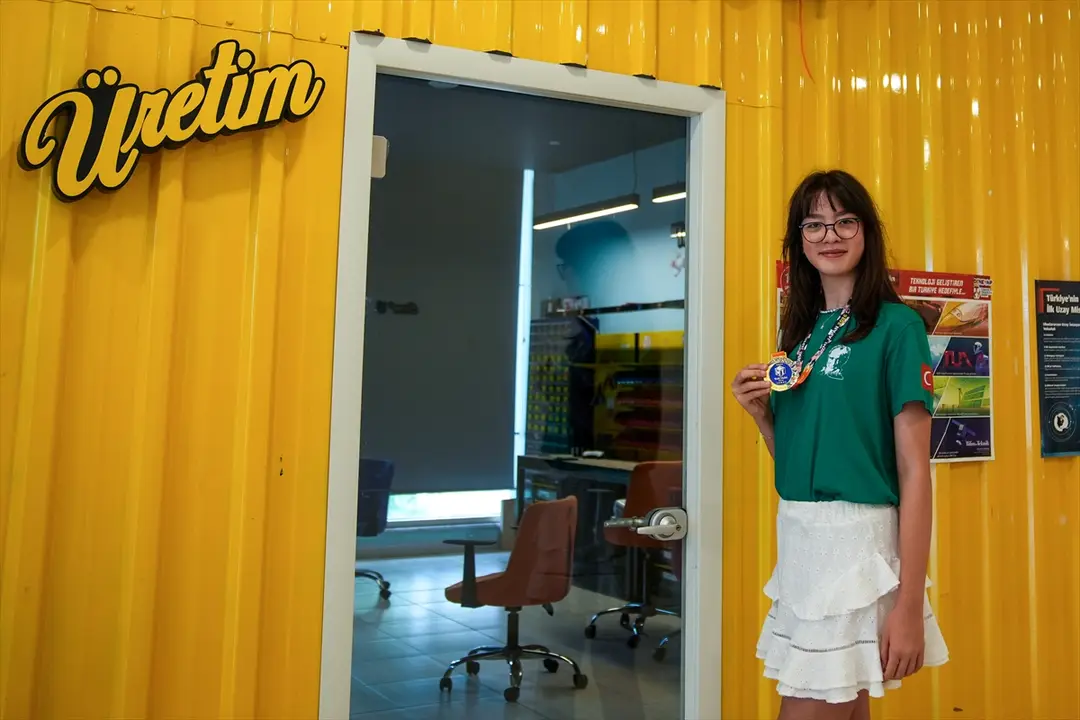
Ece Tuna, 12, who won a gold medal in the competition, touched upon her previous achievements.
Tuna emphasized the importance of disciplined preparation for competitions, stating: "I studied without getting too stressed, with breaks, and by motivating myself. When you study regularly and believe in yourself, you succeed."
Tuna stated that she utilized extra books and resources specifically prepared for the exam, saying, "One gets used to it by solving questions. If you solve questions in a disciplined manner, you can easily take and finish the exam. Going to Tokyo, representing Turkey, winning a gold medal, and becoming 19th in the world made me proud and happy. In the future, I want to increase my medals and ranks. I aim to achieve a higher rank than 19th in the world in mathematics."
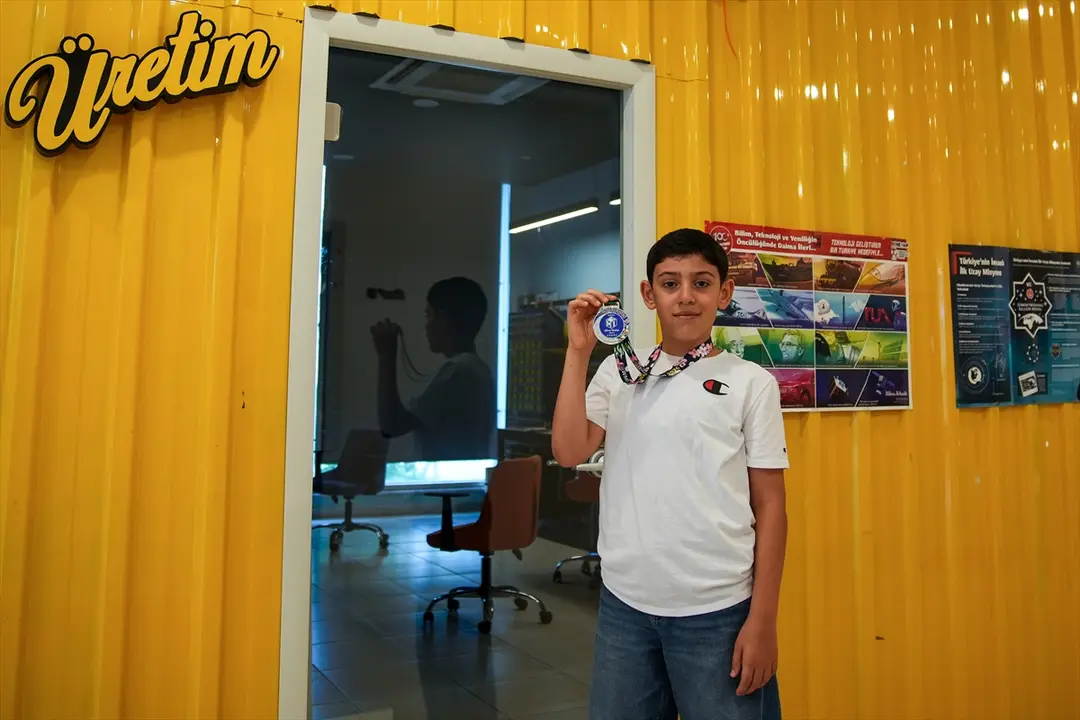
Yusuf İbrahim Kaldırım, 12, who won a silver medal, stated that with the support of his teachers, he developed a habit of studying mathematics for 2 hours a day.
Kaldırım, stating that his interest in mathematics increased with competitions, said, "To be a good mathematician, one needs to study every day. If you don't apply theorems every day, you become forgetful. If we don't study every day, we might forget mathematics after a while. Since it's a very comprehensive field, daily revision is necessary. In the competition, everyone had the determination on their faces, 'I studied, I will succeed.' I went in with that same mindset. I am happy to have won this medal, and I am proud to have brought a silver medal to Turkey. My next goal is to continue participating in Olympiads and achieve better results; it would be wonderful if I could turn this medal into gold and diamond."
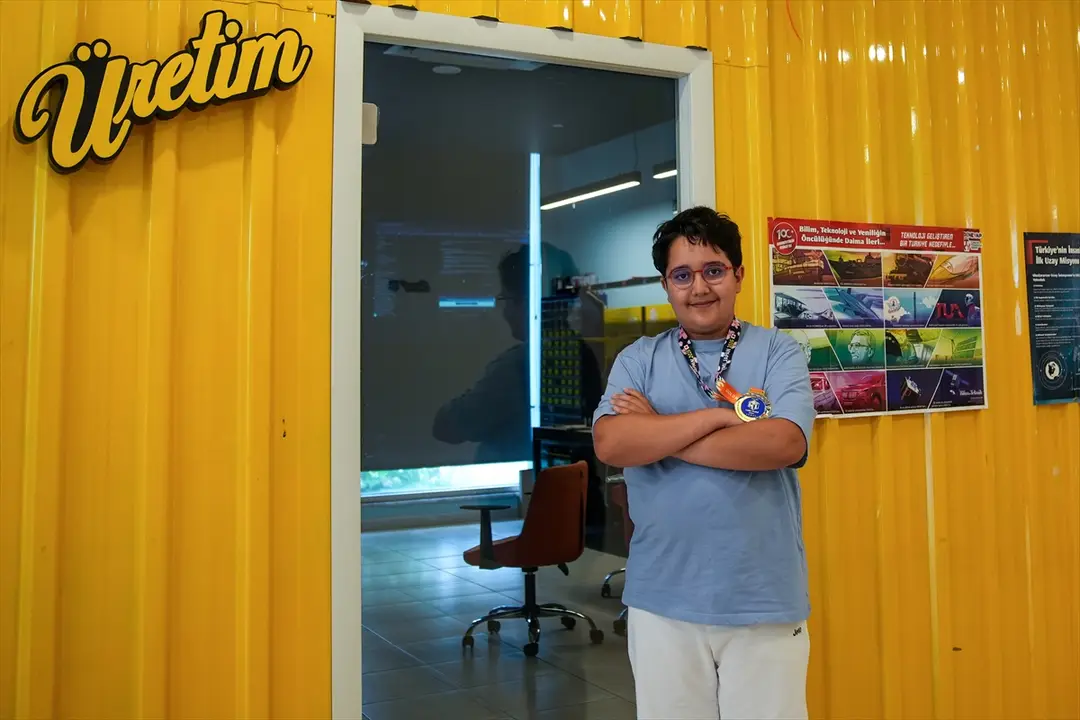
Atlas Haser, 13, who won a gold medal, stated that DENEYAP workshops helped him remember topics he couldn't revise and encouraged his interest in different scientific fields.
Haser expressed his happiness at competing with his Turkish peers, saying, "It was very proud for us as Turkey to win so many medals and rank among the best in the world."
Elif Berrak Güler, 12, who won a bronze medal, stated that she prepared for the competition by solving questions every day and using her teachers' supplementary books.
Güler stated that mathematics lessons at school came easily to her, and because she was ahead of her friends, she solved Olympiad questions during classes.
Güler, stating that she has been interested in mathematics since childhood, said, "I write code at the DENEYAP Workshop. It's beneficial for my development. In the future, I want to be an interior designer and continue with mathematics."
Nisa Dila Oruç, 13, who won a silver medal, stated that she participated in the competition with the guidance of her teachers.
Oruç, stating her special interest in mathematics, said, "Even if I didn't win anything, representing our country was an honor for me, so I remained calm and didn't stress. When I put on my medal, I felt good; winning a silver medal, representing our country with my friends, and competing with others was great. I will work harder to achieve better successes. Depending on the difficulty of the topics, our lessons are sometimes 2, sometimes 4 hours. Generally, I study 2 hours a day."
Ekrem Uğurluel, who won a bronze medal, congratulated his friends who achieved ranks.
He stated that during the preparation process for the competition, he listened to e-Olympiad lessons and studied the topics.
Uğurluel said, "At a young age, I used to look at numbers, their values, and try to understand them. Once I understood, I learned how the operations worked. It's not about working a lot, but about working on the right topic, on what you don't know, that's important. Even if you're very bad at math, you can improve by studying; being smart isn't the only thing that matters. Everyone can do math; some think they can't because they don't study enough. In the future, I want to start a business in virtual fields, but I will continue with mathematics Olympiads."
Zeynep Serra İnan, 12, received a merit award from the competition.
İnan noted that she prepared for the Olympiads by solving past competition questions and studying regularly, stating, "The merit award is an award given with a difference of half a point less than a bronze medal. I want to participate in the competition again, study harder, and win higher-ranked awards. In the future, I aim to become a doctor."



Comments
0 commentsNo comments on this article yet. Be the first!