
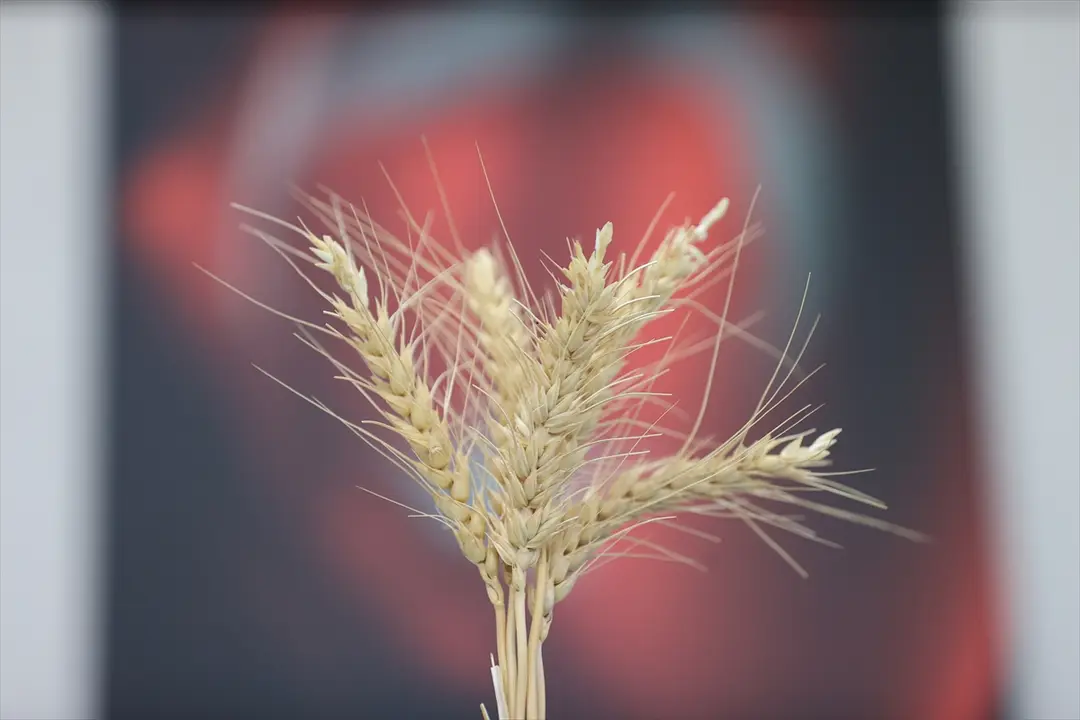
The Serince bread wheat variety, developed by the GAP Agricultural Research Institute Directorate (GAPTAEM) in Şanlıurfa and widely used by farmers in the region, also achieved successful results in yield trials in Syria. This success paved the way for the product's export.
Serince, the product of approximately 12 years of breeding work by GAPTAEM, was made available to farmers in Turkey. Following Iraq, it was also tested in trial fields established by the Syrian Research Institute through the initiatives of Barut Tohumculuk.
Serince, which ranked first among 20 wheat varieties in terms of yield, quality, and disease resistance criteria, is planned to be put into production in Syria after its registration process is completed.
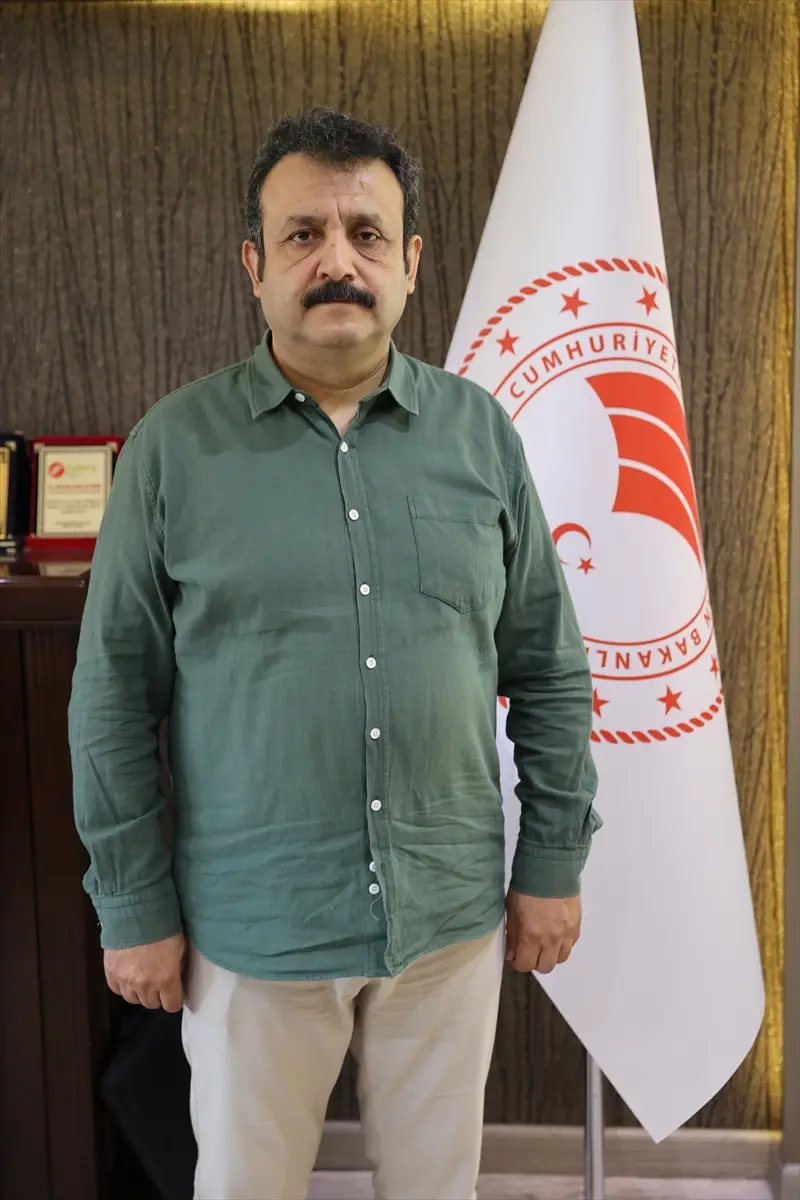
GAPTAEM Director İbrahim Halil Çetiner stated that developing a new wheat variety requires a long-term research process spanning 10 to 15 years.
Çetiner stated that each variety developed as a result of studies carried out using a gene pool of approximately 3,000 genetic materials holds a distinct value for them, and that their goal is to advance yield, quality, and durability with each new variety.
Çetiner, stating that Serince has shown remarkable results both in Turkey and in neighboring countries, said that as a company, they have entered the registration phase for Serince in Syria and Iraq. He noted that according to the latest information they received, the Serince variety ranked first among 20 varieties in trials conducted by the Syrian General Directorate of Agricultural Research. Çetiner said, "It ranked first in terms of both yield and quality. It also stood out in terms of quality characteristics such as protein content and hectoliter weight. In terms of disease resistance, it showed high resistance, especially against yellow rust."
Emphasizing that this success is an important source of motivation for the researchers working at the institute, Çetiner noted that it is gratifying for the developed local varieties to find recognition internationally.
Also Stood Out with High Protein Values in the Rainy Season
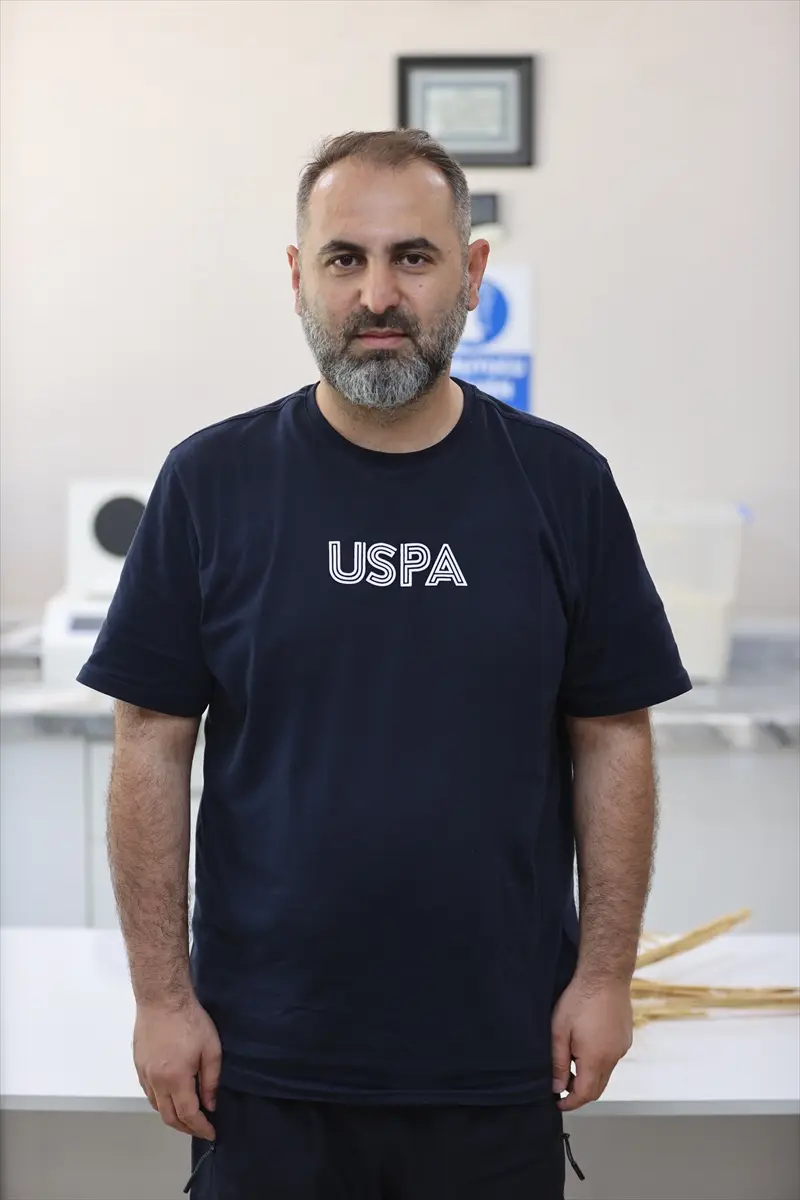
Agricultural Engineer Memduh Serdar Polat, who carried out Serince's breeding work, said that the variety was registered in 2021. Polat stated that it quickly became one of the wheat varieties preferred by producers.
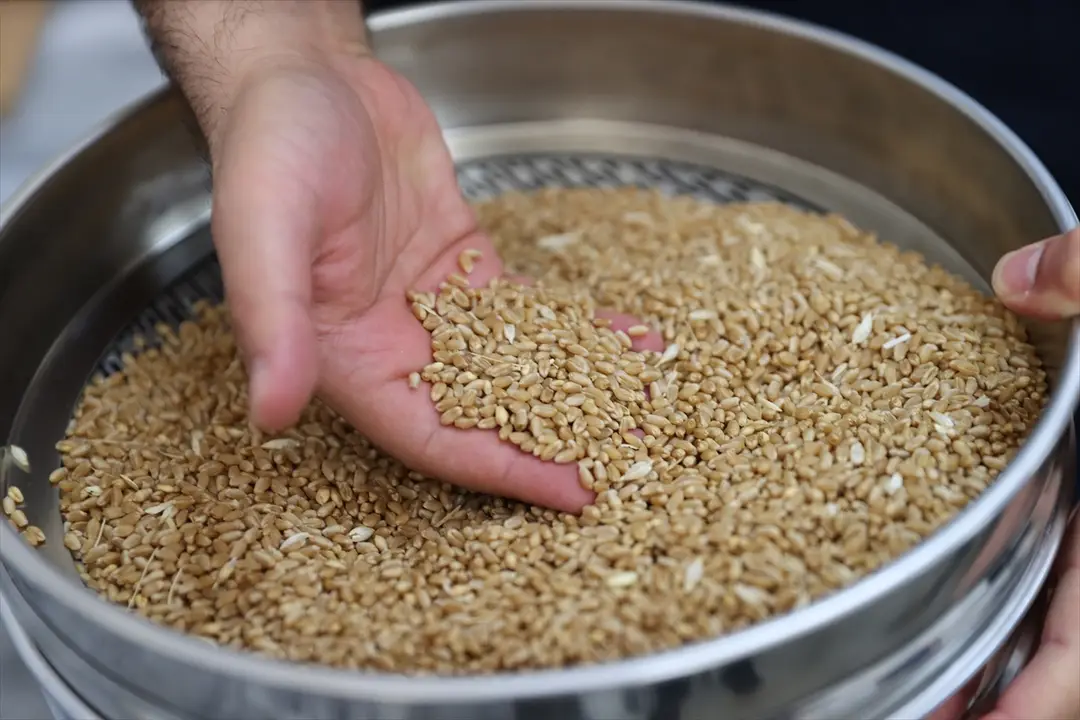
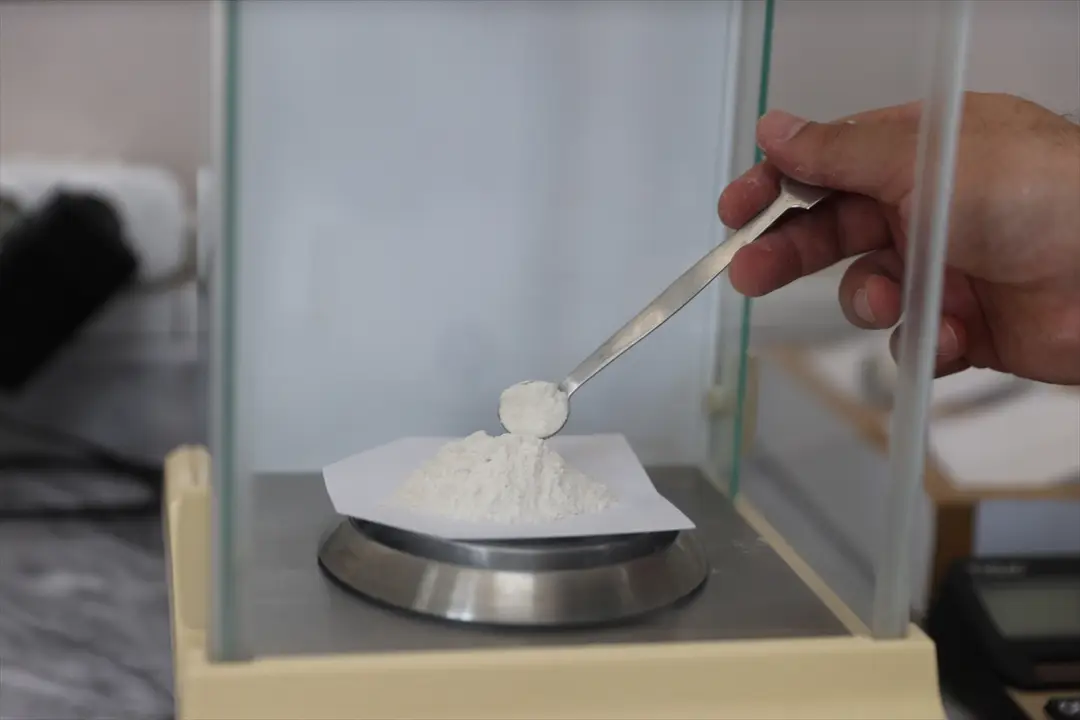
Polat, stating that they received positive feedback from farmers, said, "Despite having a very rainy season this year, while the protein content in many bread wheat varieties in the region remained at 10-11 levels, we achieved protein values of at least 13 and up to 14.5-15 in 'Serince'. Our producers are satisfied with our variety due to its quality, resistance to extreme conditions, and disease tolerance."
Polat stated that high yield and quality characteristics contribute to producers' income and also enable the production of higher quality food.
Goal: To Open Up to New Markets
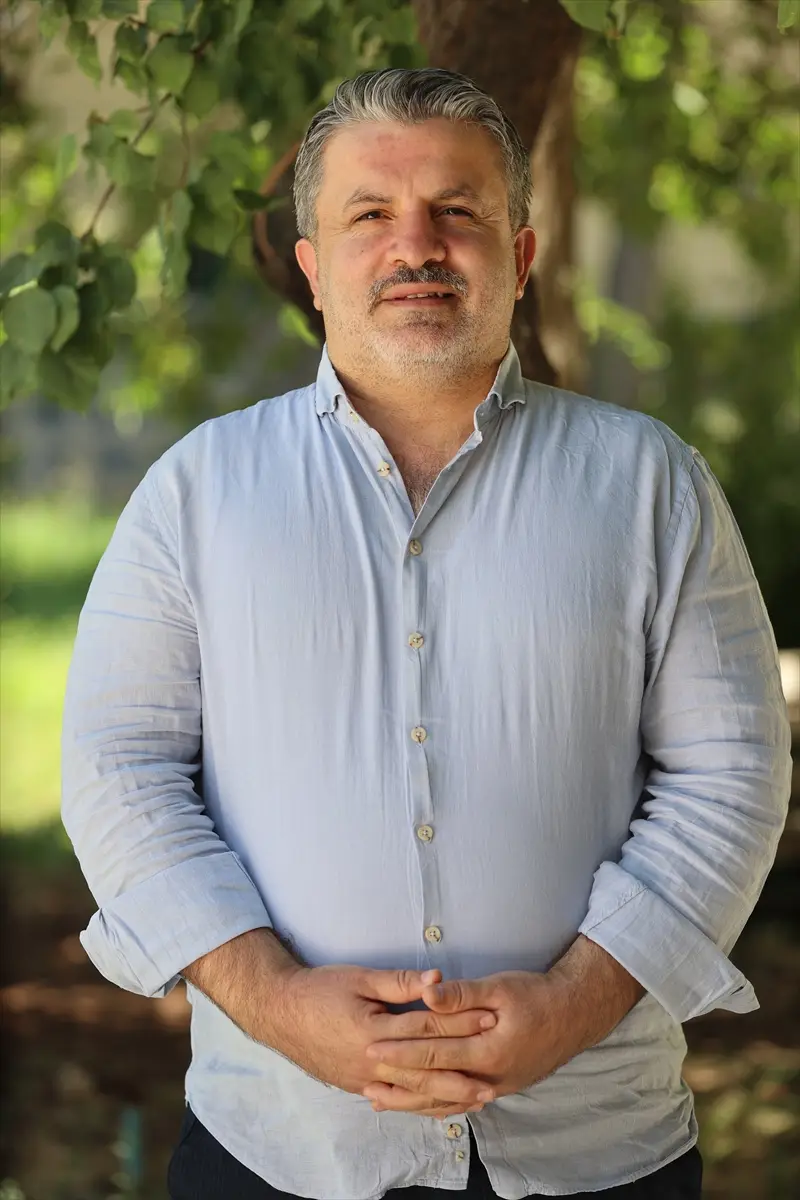
Agricultural Engineer and Barut Tohumculuk manager Mahmut Barut, on the other hand, stated that they carry out certified production of wheat, lentil, and barley seeds developed by GAPTAEM through a contract farming model.
Barut stated that the developed seeds stand out with their high yield and quality characteristics and that their goal is to contribute to producers earning higher incomes by making these varieties available to farmers in wider geographies.
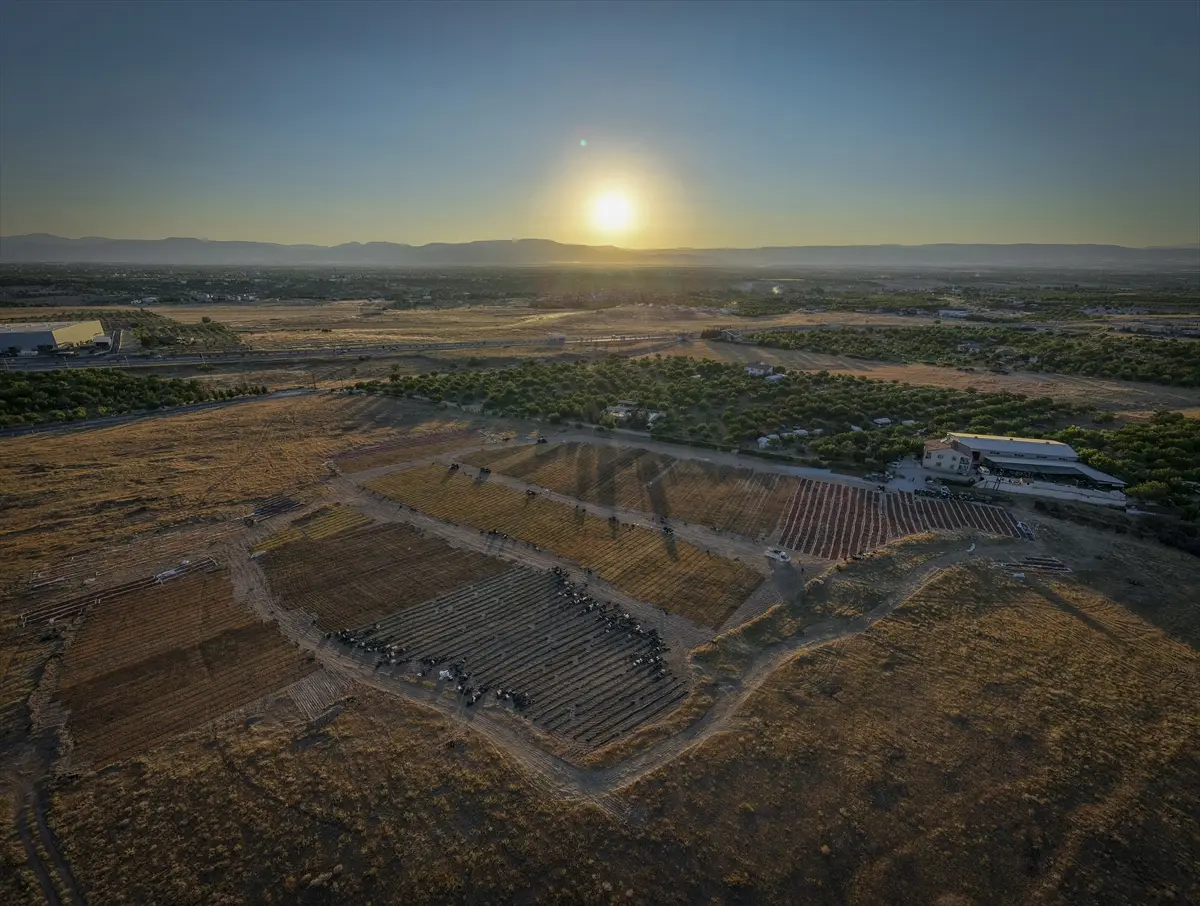
Barut reported that they are in the registration process in Iraq within this scope, and that a trial field has also been established at the Syrian Research Institute for the Serince bread wheat variety. He continued his speech as follows:
"In that trial, 'Serince' was the most prominent variety among many wheat varieties in terms of yield, quality, and disease resistance. The experts there also expressed their satisfaction to us. We have also moved to the registration phase for the 'Serince' bread wheat seed variety in Syria. Hopefully, as Barut Tohumculuk, we are doing our best to spread this seed to wider audiences and broader geographies."
Barut, explaining that they aim to advance the Turkish seed sector both regionally and in international markets, noted that they have established trial fields in Iraq, Syria, and the Turkish Republic of Northern Cyprus. He stated that next year they will create new fields in countries such as Algeria, Morocco, and Tunisia.
Barut said, "In this way, with these seed varieties, we aim to make a significant breakthrough by exporting to our region, our country, and foreign countries."
figure class="wp-block-image">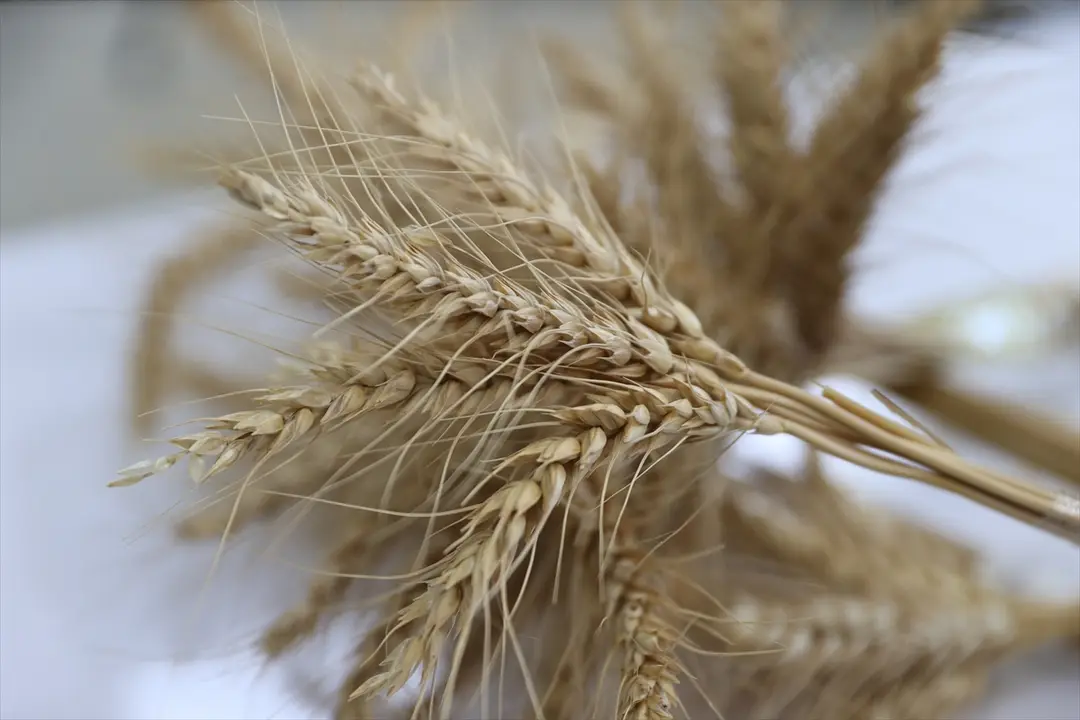







Comments
0 commentsNo comments on this article yet. Be the first!