
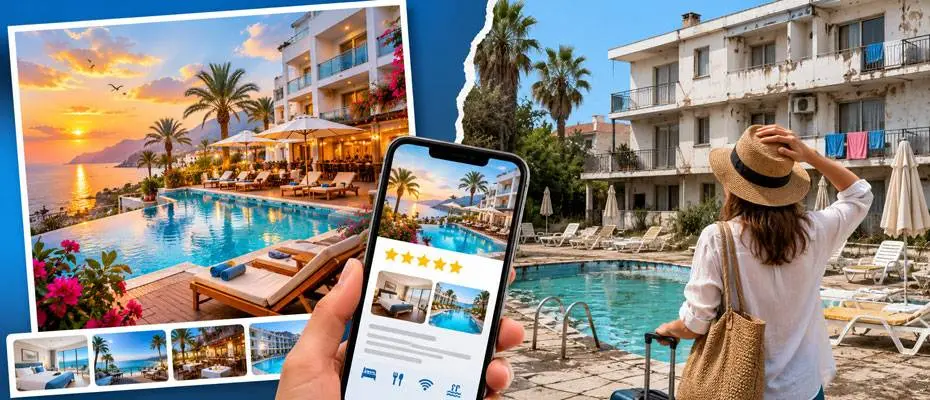
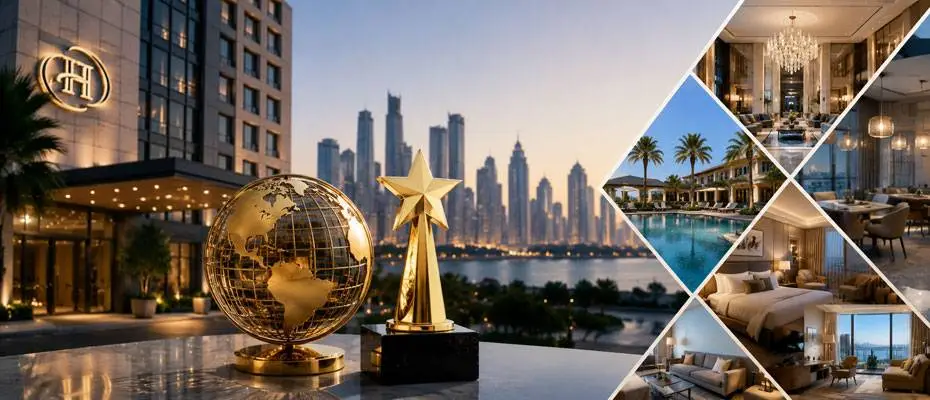
The sparkling pools and luxurious rooms seen when booking hotels online often lead to disappointment upon arrival at the holiday destination. According to the German press, past retouching techniques have been replaced by artificial intelligence technologies. An ordinary hotel room can now be transformed into a luxurious suite with just a few commands.
Dream Facilities Turn into Disappointment in Reality
The habit of picture-based booking has turned into a serious illusion crisis with the development of artificial intelligence tools. In the tourism sector, where billions of euros circulate, consumers largely rely on the visuals they see. Pools enlarged with AI, construction sites removed, seas with vibrant colors, and landscapes completely recreated leave holidaymakers with great disappointment the moment they step into the hotel.
Research Finds AI Traces in One in Five Photos
According to German newspapers, Berlin-based creative agency ABCD Agency and forensic AI expert ContentGuard.me examined a total of 25,550 hotel photos across seven different holiday and city destinations. The analyses revealed AI manipulation in an average of 20% of the examined visuals (almost one in five photos).
The rates of AI usage in the examined destinations were as follows:
Hamburg: 36% (In city hotels, the rate is increased by presenting fake visuals of surrounding landmarks instead of the hotel itself.)
Berlin: 27%
Crete (Greece): 23% (The highest rate among popular holiday islands.)
Sicily (Italy): Approximately 20%
Alanya (Turkey): Approximately in the 18-20% range
Usedom (Germany): Approximately 15%
Mallorca (Spain): 9% (The region with the lowest detected AI manipulation.)
Holidaymakers Struggle to Distinguish Fake Visuals
Public opinion surveys show that a large majority of travelers are concerned about fake or manipulated content. Although a significant portion of consumers believe they can easily recognize fake photos, tests prove otherwise. A large number of subjects mistake completely AI-generated or heavily edited hotel photos for real ones. This illusion leads to wasted money on holidays and even causes some holidaymakers to cut their trips short and return home.
Booking Platforms Shirk Responsibility
Giant platforms in the market, such as Booking, Airbnb, and HomeToGo, despite taking commissions per accommodation, avoid taking clear steps regarding content accuracy. The platforms' responses to questions about visual verification usually consist of non-binding public relations statements or silence. Platforms shirk legal responsibility by arguing that hotel owners and hosts are solely responsible for the accuracy of the visuals.
European Union Regulations Introduce Labeling Requirement
Legal steps have also begun to be taken against these digital illusions that mislead consumers. Under the European Union's AI Act (EU AI Act), there is a requirement to clearly label AI-generated or AI-edited visuals that could mislead people. Although industry representatives and legal experts state that platforms will have to comply with these rules, until the implementation is fully realized, holidaymakers need to pay extra attention to user reviews and independent photos. Image: © AI-generated illustration





Comments
0 commentsNo comments on this article yet. Be the first!