
"...
Is it bravery to take a life entrusted to you?
Is it bravery to take a handful of light,
tear it from the sun with a blunt knife, and sacrifice it to darkness?
Tell me, in which book is it written to burn those with their hands and arms tied?
...
Savaş Ezgi
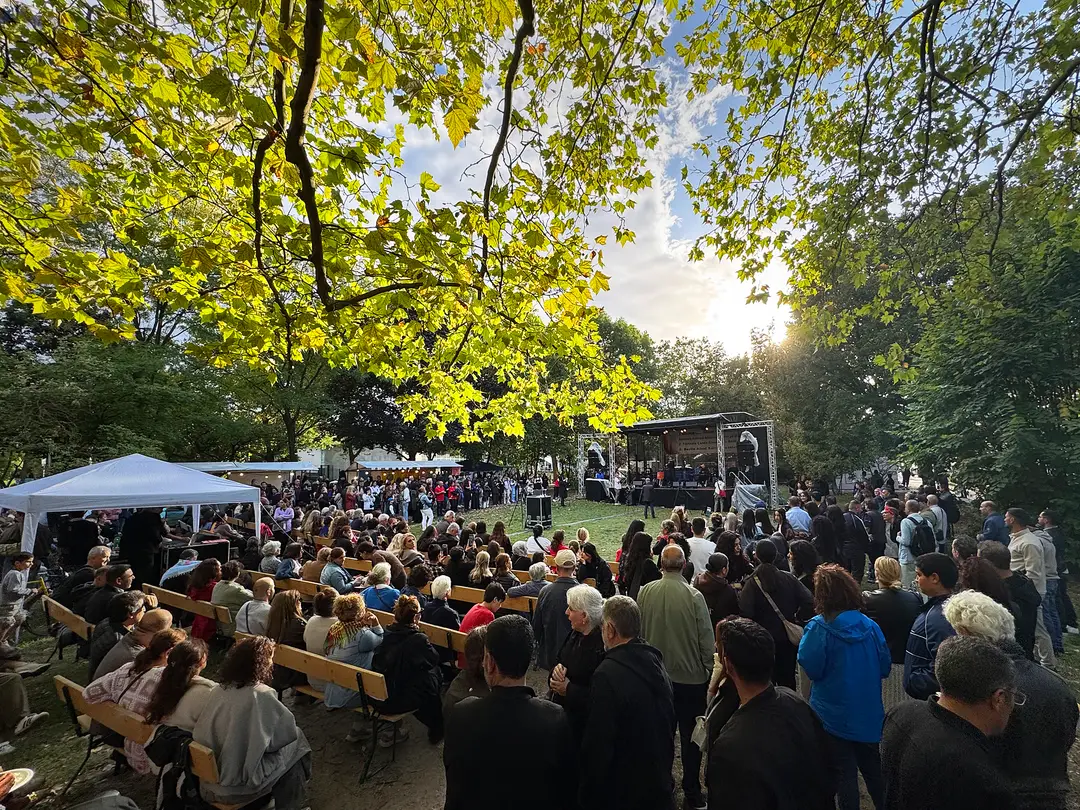
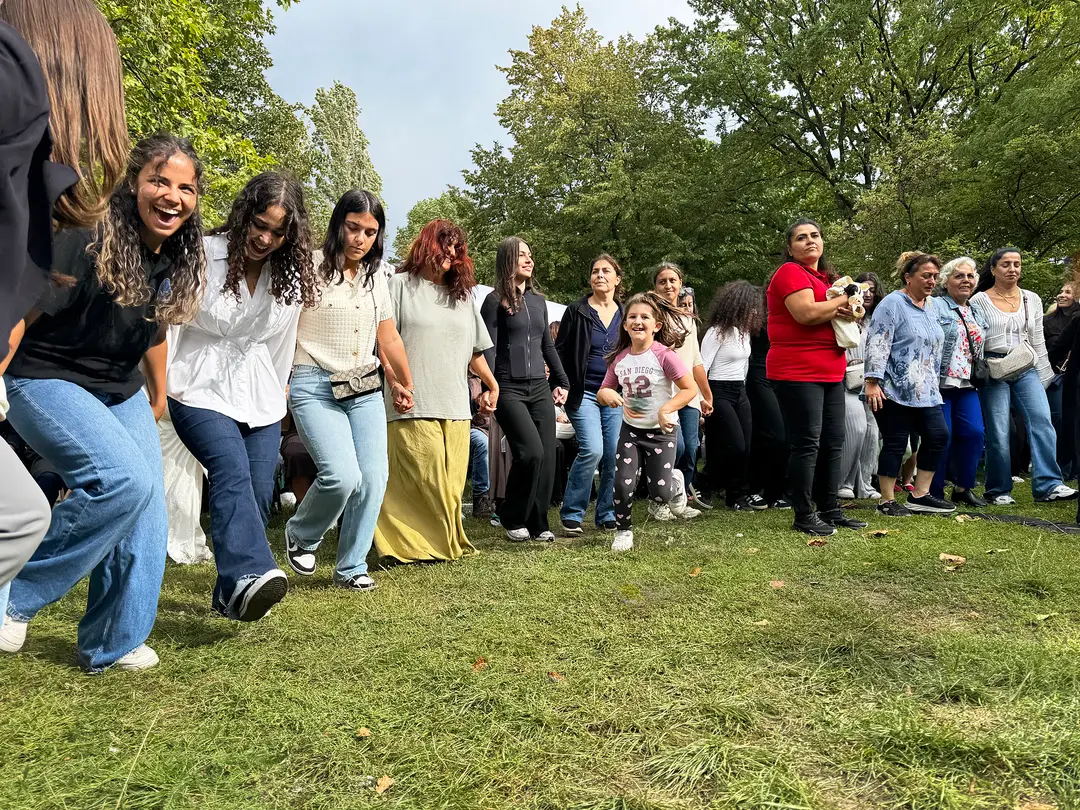
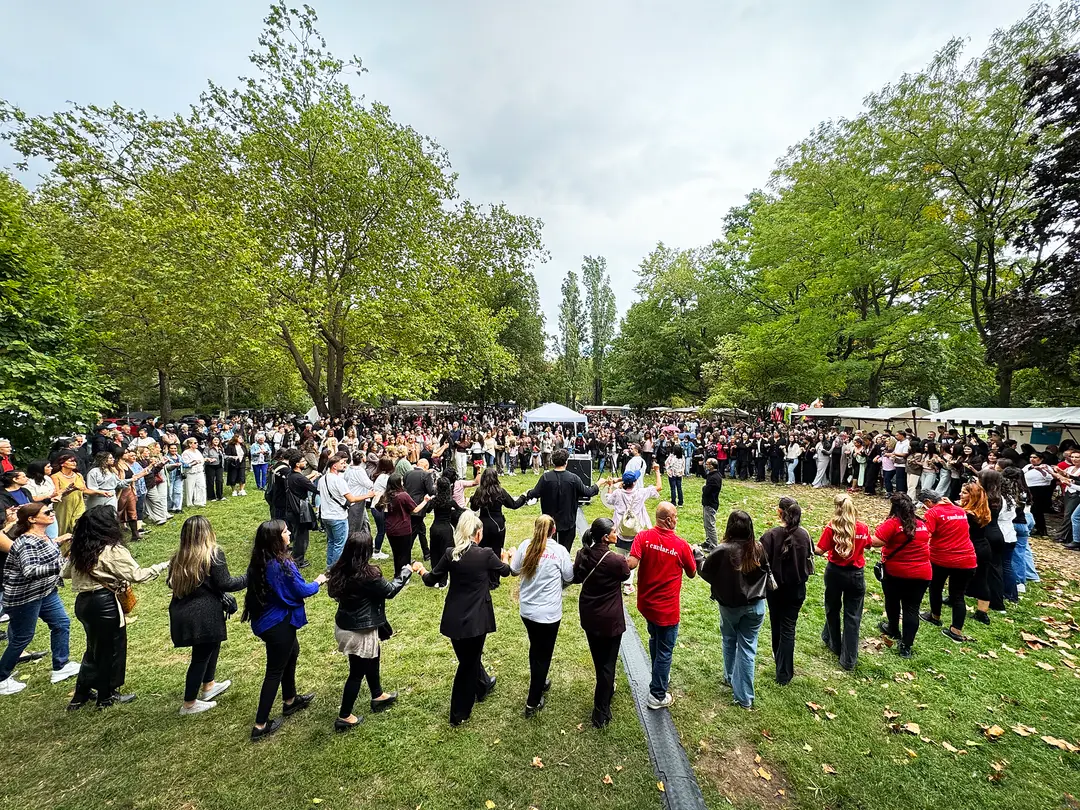
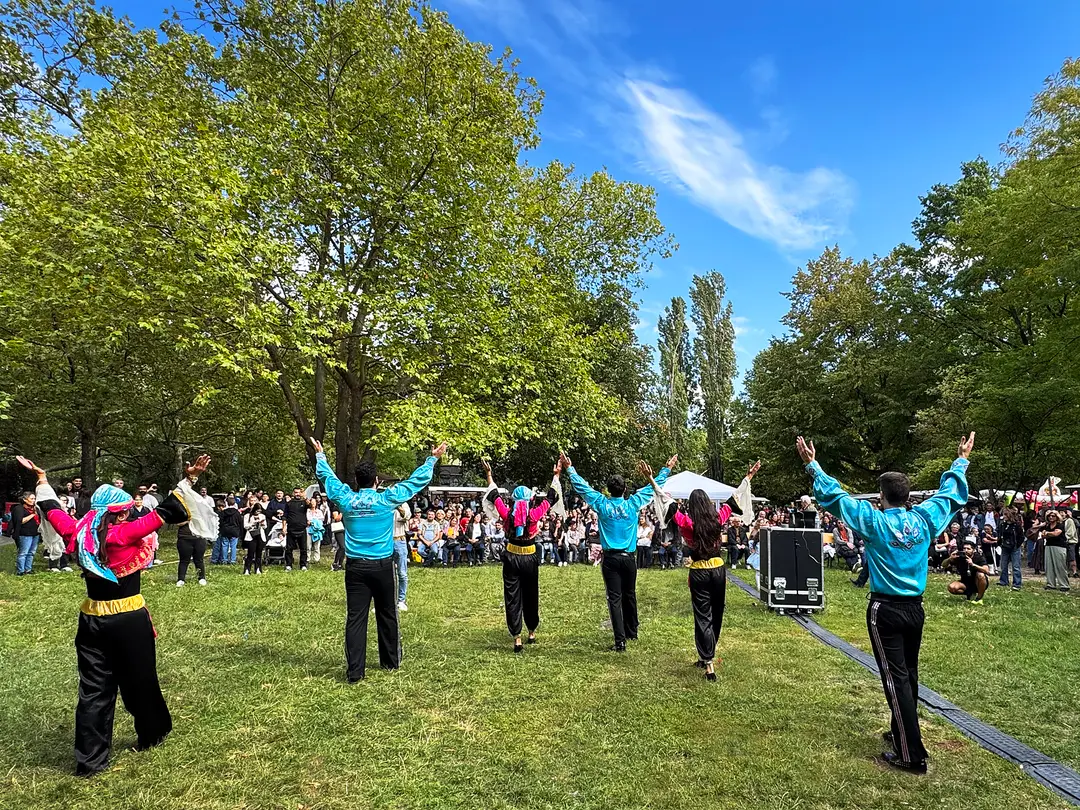
As soon as I step into the area, the sound of drums and zurnas greets me. Then comes the horon tune. The sound of this lively music, these instruments, which greet me first, penetrates deep into me. So much so that one cannot stand still without shrugging their shoulders, swaying back and forth. Perhaps for this reason, the square is suddenly overflowing with people dancing horon and halay. On the faces of the people dancing arm-in-arm, shoulder-to-shoulder, lost in the rhythm of the music, one can read the joy of togetherness, solidarity, and fun.
A joy fills me as if I've come not to a festival, but to a wedding celebration or a holiday gathering. But the deyişes and türküler sung shortly after add different emotions to me. Then melancholy and sorrow mix with my joy; I wander the area accompanied by these feelings. These people, who have endured much oppression from Yavuz to Karbala, witnessed many massacres from the Celali rebellions to the Dersim massacre, from Çorum to Maraş, and were burned in Madımak, have suffered greatly, seen much trouble. But they have not given up, they have not bowed down. Even when in dire straits, they did not stray from their path and have endured to this day. These Alevi "canlar" (souls/dear ones), whose faces radiate a sincerity that inspires trust, who never pass by without greeting or smiling when we meet, are the bright faces of our country...
Amidst the bustling crowd of curious explorers, passersby, and those coming and going, I encounter Remzi Kaplan, one of Berlin's familiar faces. We greet each other and ask how we are. I bring up the topic of an interview. He says, "Of course, let's do it," and provides the necessary information. There is no trace of the arrogance usually seen in businessmen in Kaplan. So much so that this person, whose sincere demeanor and naturalness do not go unnoticed, holds my hand as if we were forty-year friends.
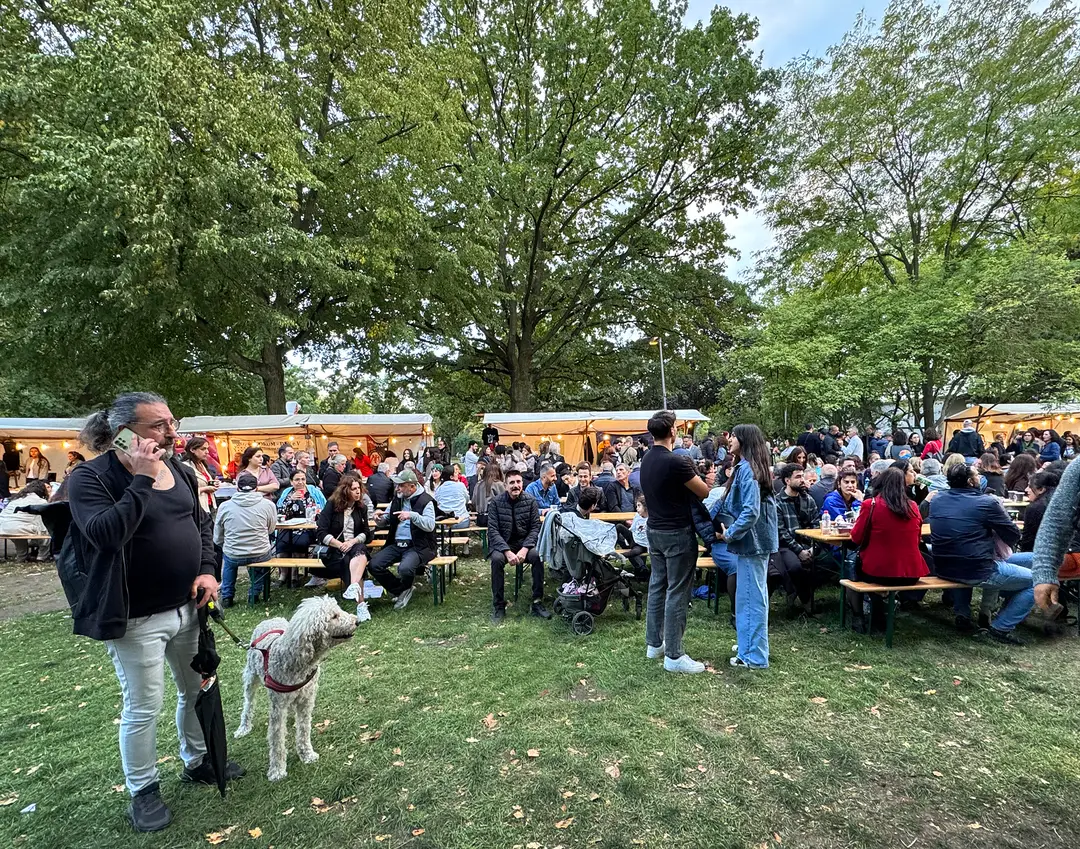
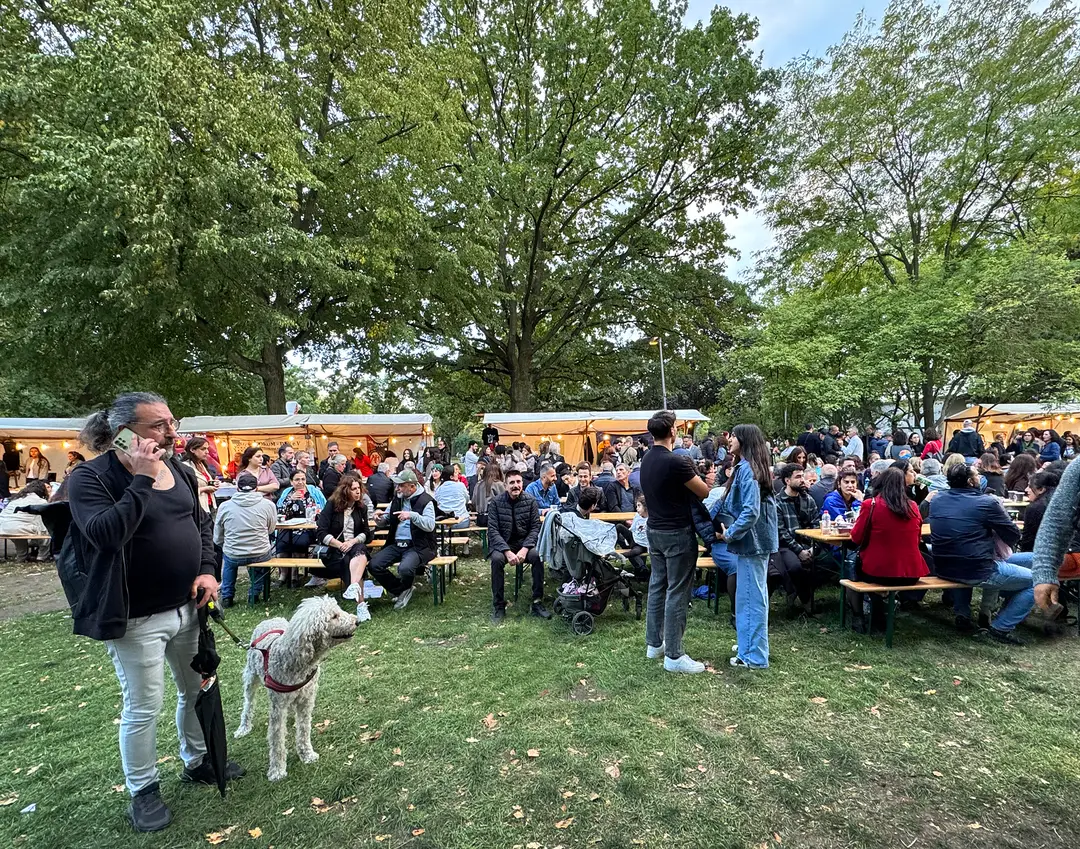
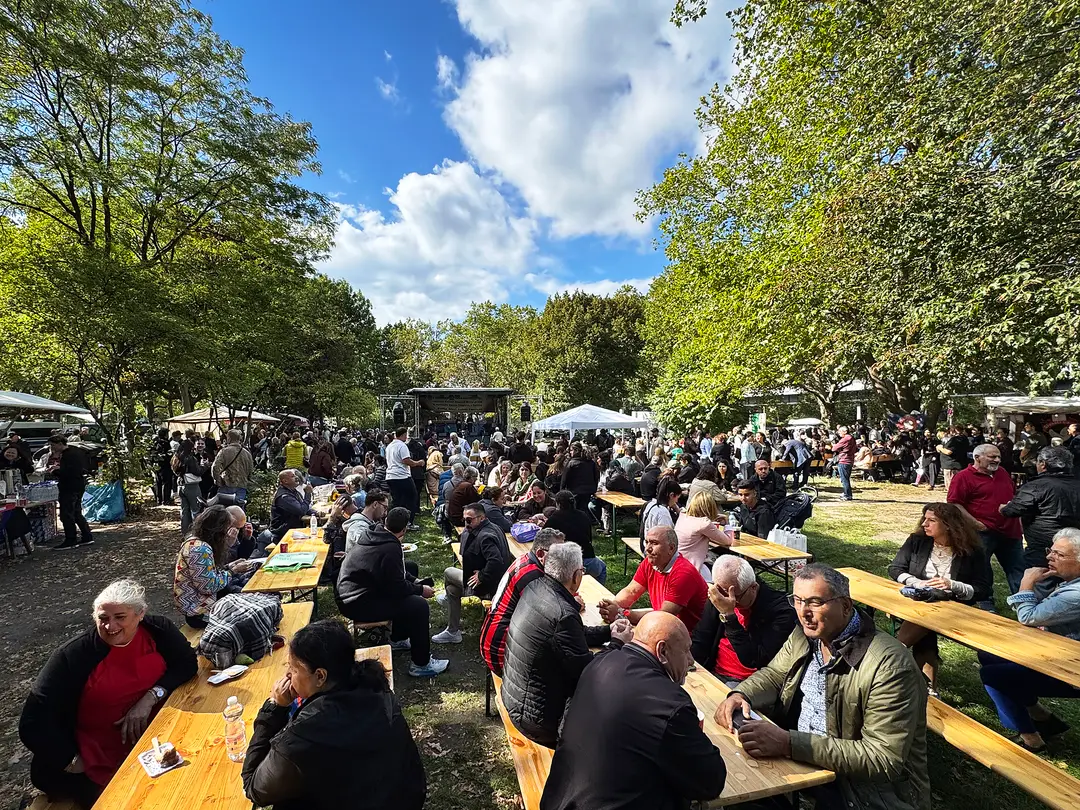
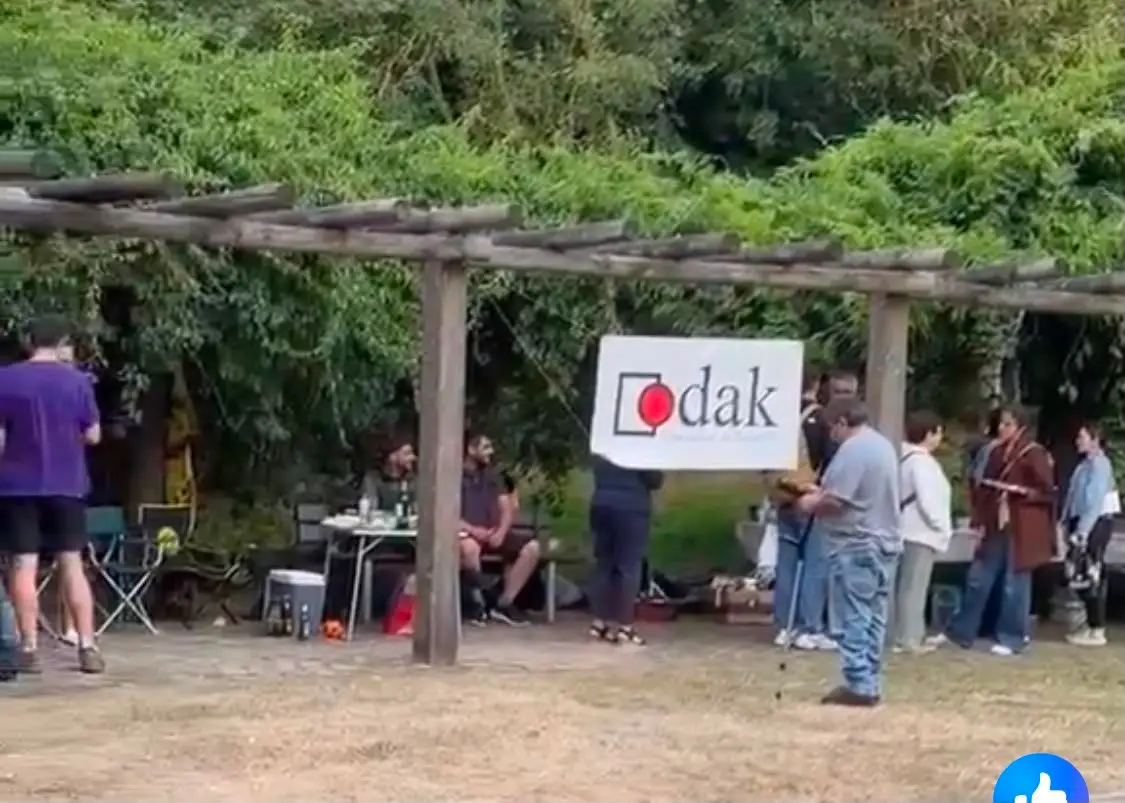
I walk around the stands, feeling the human warmth emanating from the "canlar" I touch and shake hands with. A rather rich menu has been prepared for every pair of eyes eager for food and drink. Döner, considered our national dish, has not been forgotten either. On the other side, the smell of sucuk ekmeği, the sizzling of kebabs cooking on the grill, truly whets the appetite. Are they the only ones? Homemade dolmas, sarmas, içli köftes, böreks, çörekler, desserts, and many more appetizers whose names I cannot list...
I crave many things, but I don't have the "known object" on me. Asking "Does card work?" also doesn't feel right. I approach an elderly young man who ordered tea and say, "Could you order a tea for me too, abi?" Without a moment's hesitation, he says, "Make one tea for my nephew too"; he points to the counter with his hand and asks, "Do you have any other wishes, ask for them?" He repeats this several times and says it so sincerely that I feel ashamed and embarrassed. I thank him. He says, "You're welcome."
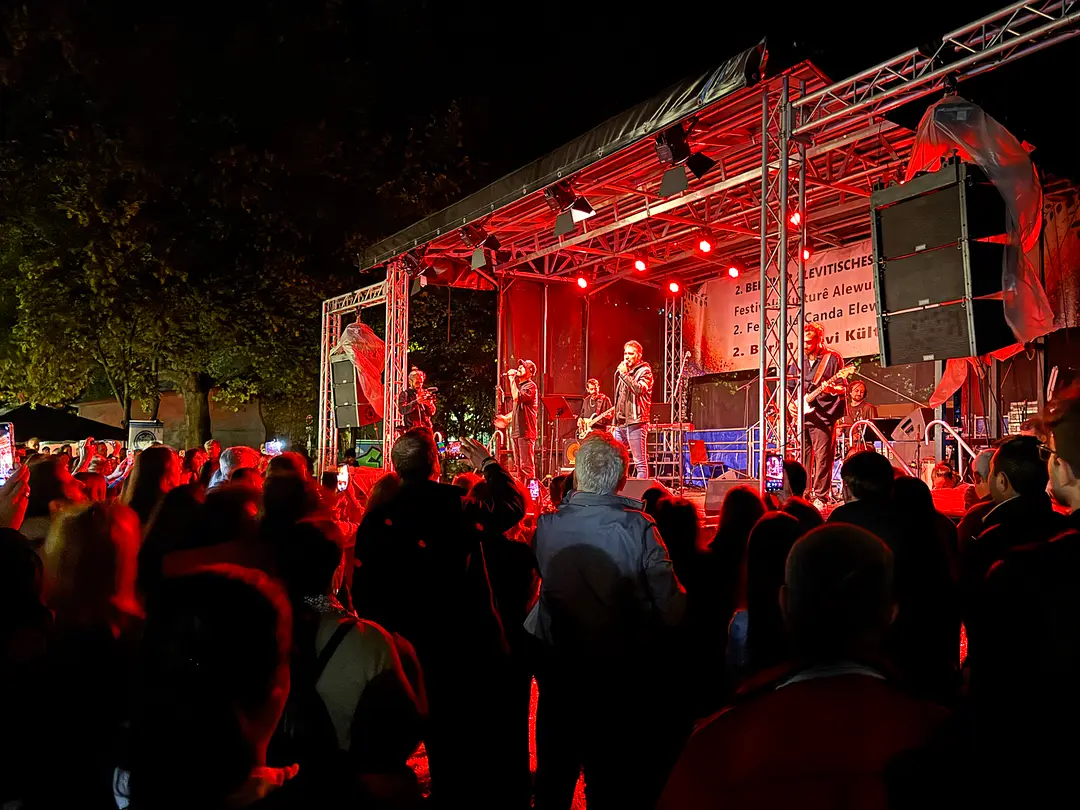
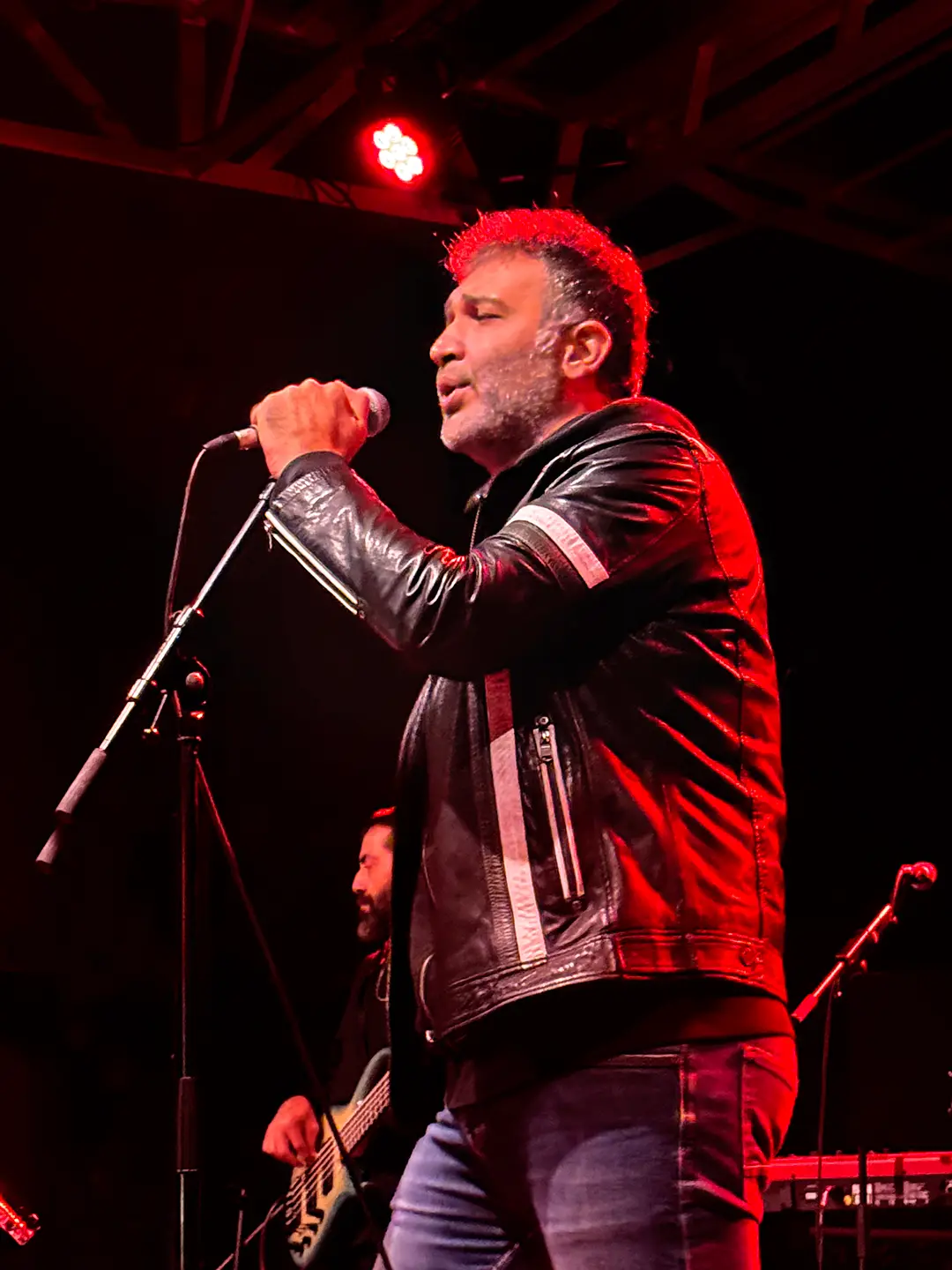
I think to myself, this man, who even asks for my permission when leaving, must be a Dede, an Eren. Just then, from the stage, mournful deyişes stretching back centuries; türküler, heartfelt melodies, and nefeses expressing sometimes love and separation, sometimes rebellion and human love, rise up. Then the voice of Pir Sultan is heard:
"Go forth, Hızır Pasha,
your wheel will also break.
The Sultan you trust,
He too will one day be overthrown."
I, for one, cannot hold myself back; I weep at a poignant türkü. But here, I cannot hold myself back not only to the türküler and melodies but also to all the pain experienced, and alongside this pain, to the friendship, warmth, enthusiasm, and atmosphere of the people. I try to pull aside and wipe my tears, when at that very moment, from the stage, a signature campaign calling for the perpetrators of the Sivas Madımak Massacre to be tried is reminded. Yet, I say, the "2nd Alevi Culture Festival" should be held in a festive atmosphere. Isn't all this pain, all this sorrow, enough?
Indeed, what do you want from Alevis? What have these people done to you?
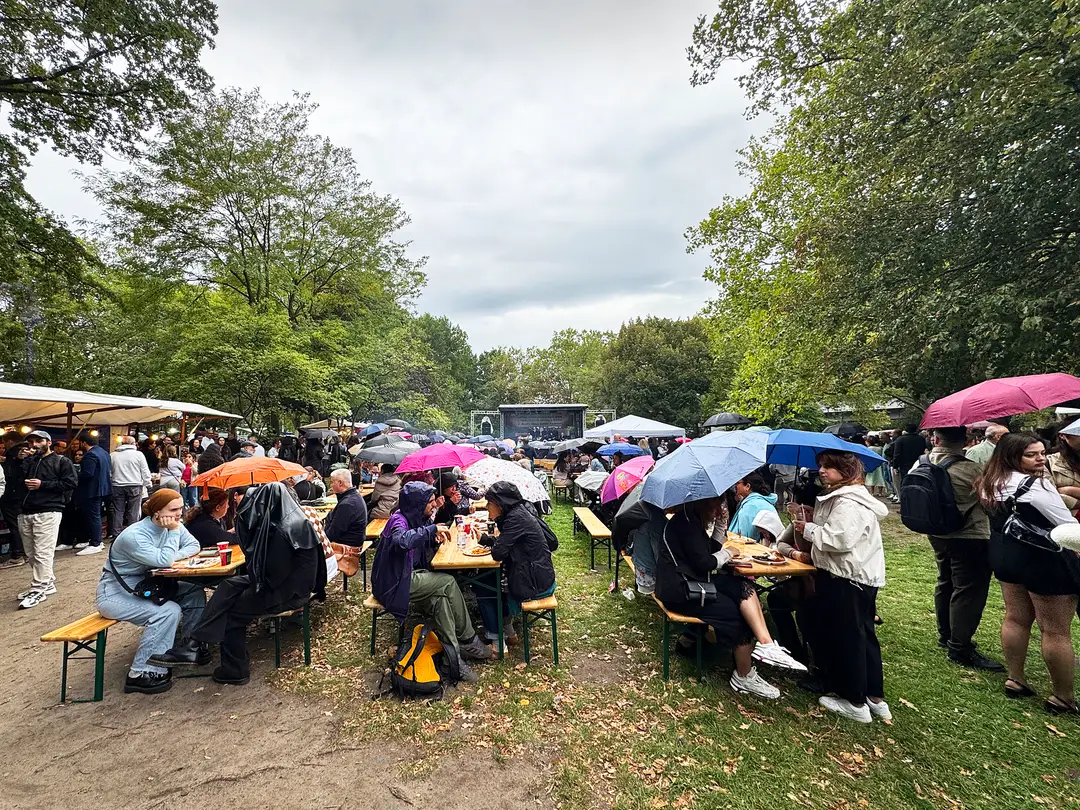
Suddenly, rain appears, and colorful umbrellas open. Soon after, the rain gives way to the sun. Clouds appear and disappear. Then, fragments of light filter through the sky. The day comes and goes. This state of the weather, the voices rising from the stage, these rose-faced people, and this atmosphere immerse me in indescribable emotions.
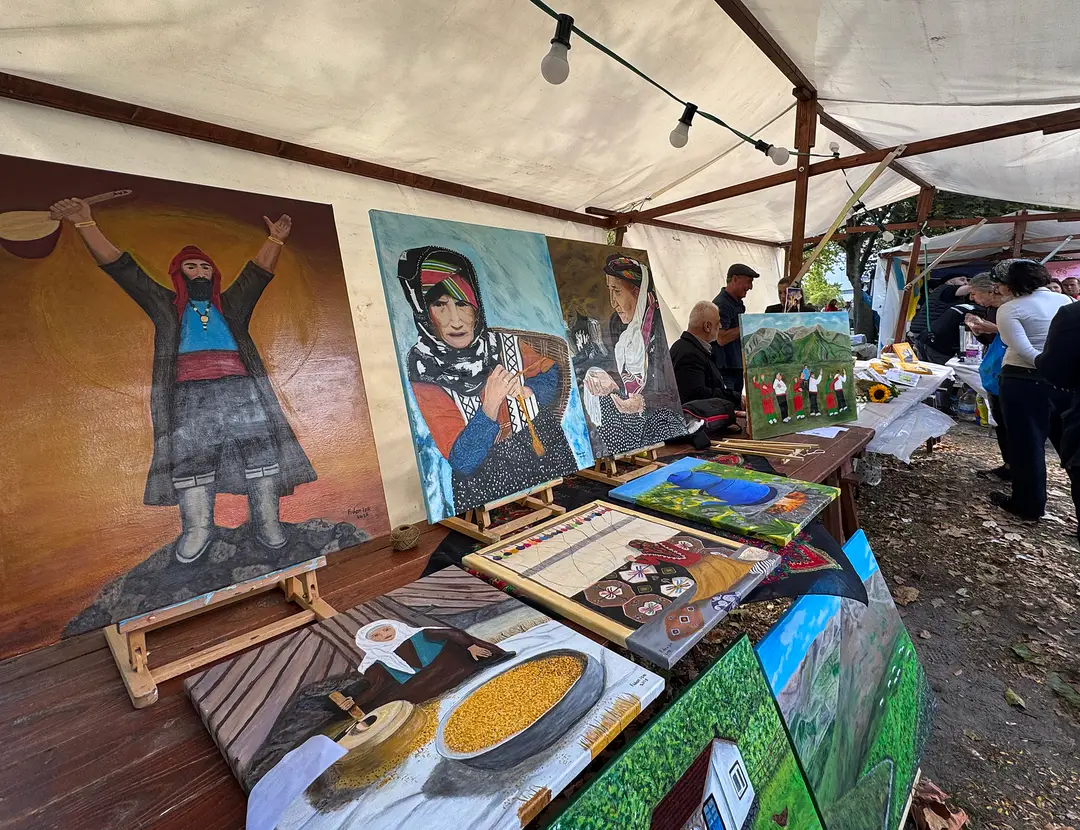
As I wander, beautiful and naive drawings appear before me. These are warm pictures bearing traces of Anatolia. At the stand right next to it, two poet friends I know, Fuat Doğan and Uğur Küçük, are busy bringing their poetry books to readers.
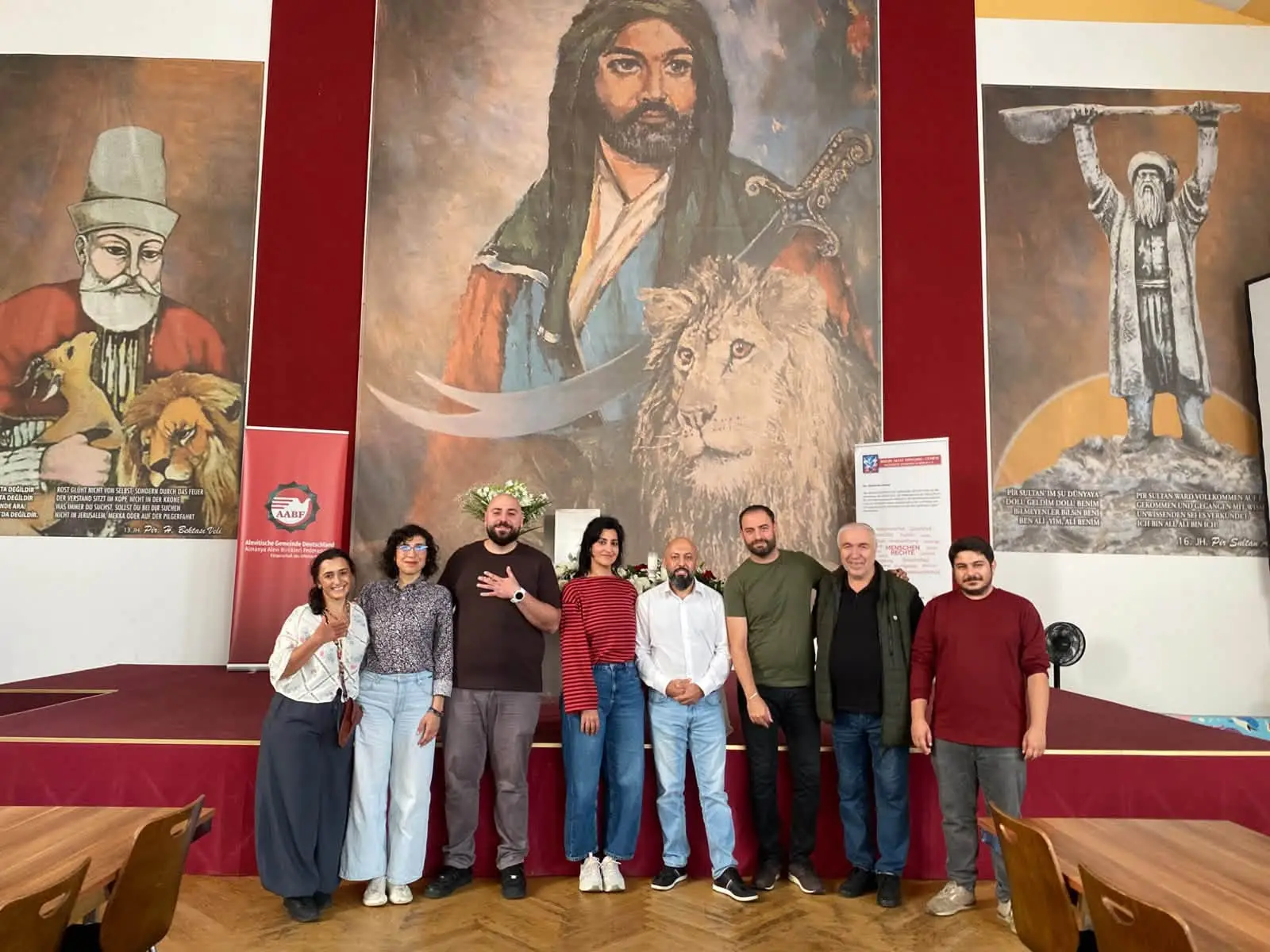
The festival, where different groups performed, various voices sang songs and türküler, and visitors collected beautiful memories throughout the day, is the joint work of many people who contributed their efforts and support, as well as various associations including Berlin Alevi Toplumu-Cemevi, Dersim Cemaati, Sivaslı Canlar, and Çorum.
In my opinion, the most beautiful aspect of such events must be coming together. In an era where people are becoming increasingly isolated by burying themselves in those well-known, not-so-social media environments and especially their phones, simply coming together side-by-side and laughing and having fun together is incredibly valuable in itself. Perhaps that's why not just a festival is experienced here; people who come together and mingle remember their own core values.
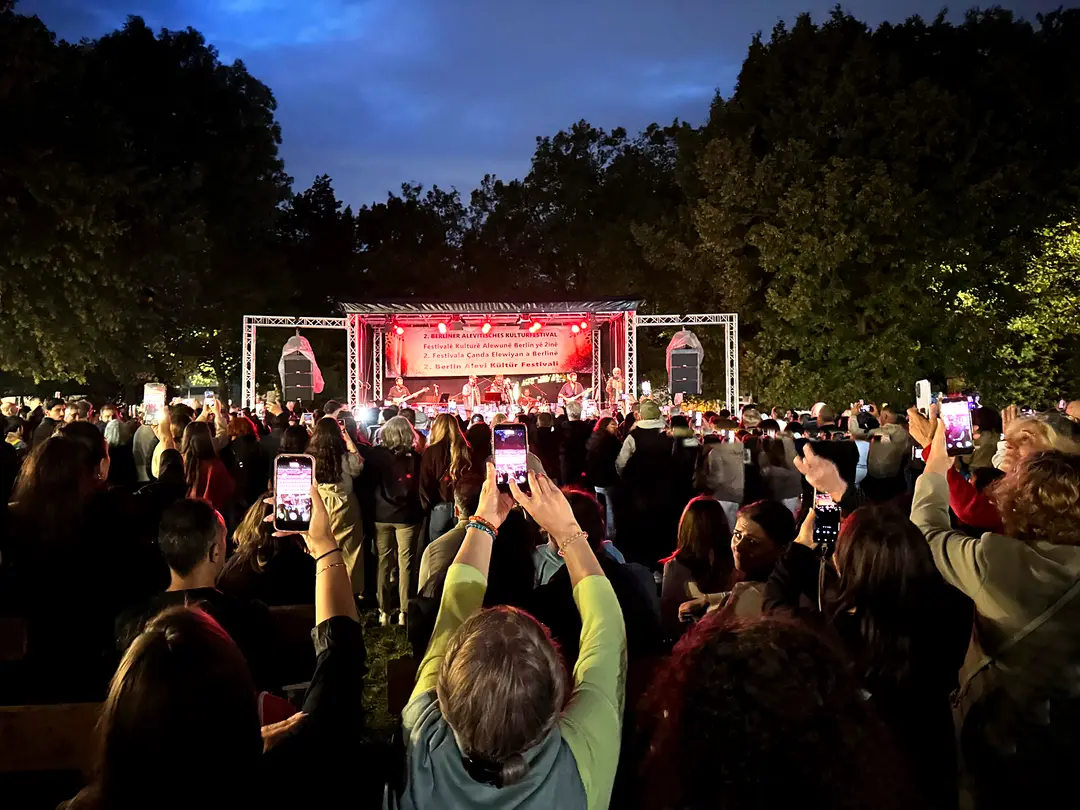
However, as always, things that cast a shadow over all this beauty also emerge. Chief among these are the "journalists" (!) who set up their tripods right in the middle of the stage and stand there for hours, and those who wander around with one hand in their pocket and the other on their phone, constantly entering the frame, their purpose not quite clear. However, journalism is not about recording everything you see for hours. Journalism is about seeing newsworthy things, making sense of developments, and conveying them to the reader or viewer.
Honestly, I cannot connect standing in the middle of the stage for a long time and recording the program with journalism, nor can I understand its logic. Because leading television channels, agencies, and newspapers around the world do nothing more than use about thirty seconds, or at most a minute, of footage and a few photographs from such events. I don't understand why hours-long recordings are made here, as in many other places. Moreover, these tripods standing in front of the stage and the people standing behind them not only obstruct the audience's view but also prevent people from connecting with the stage.
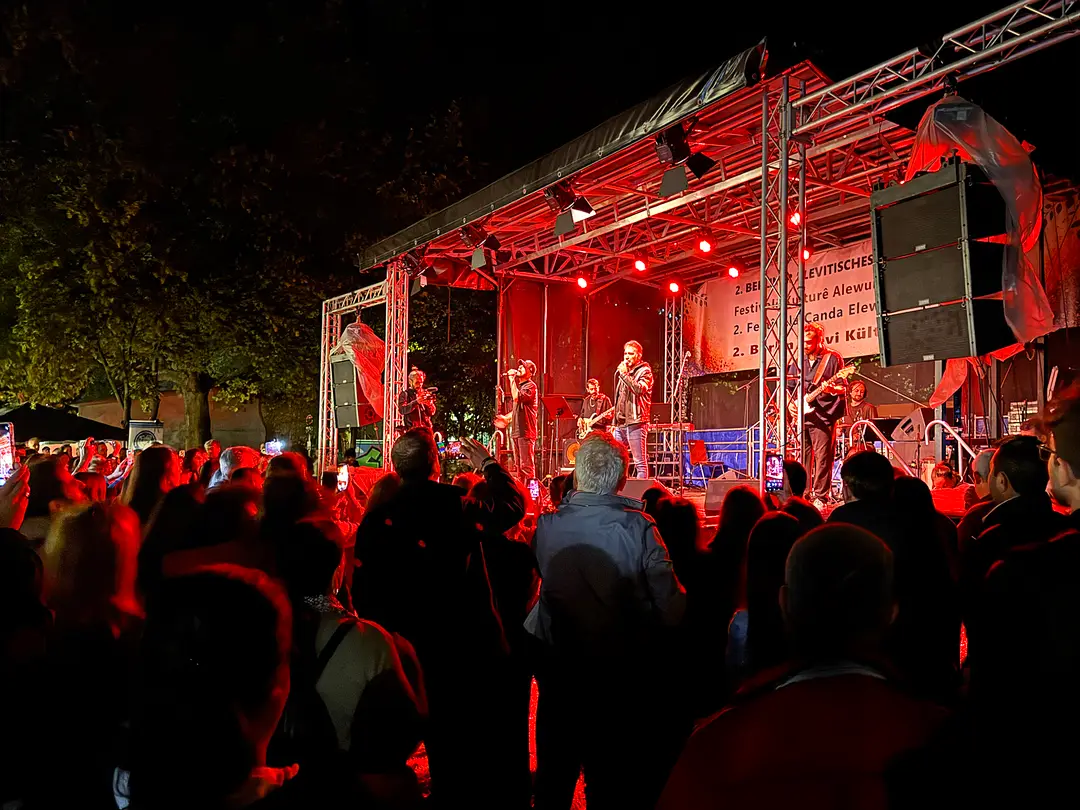
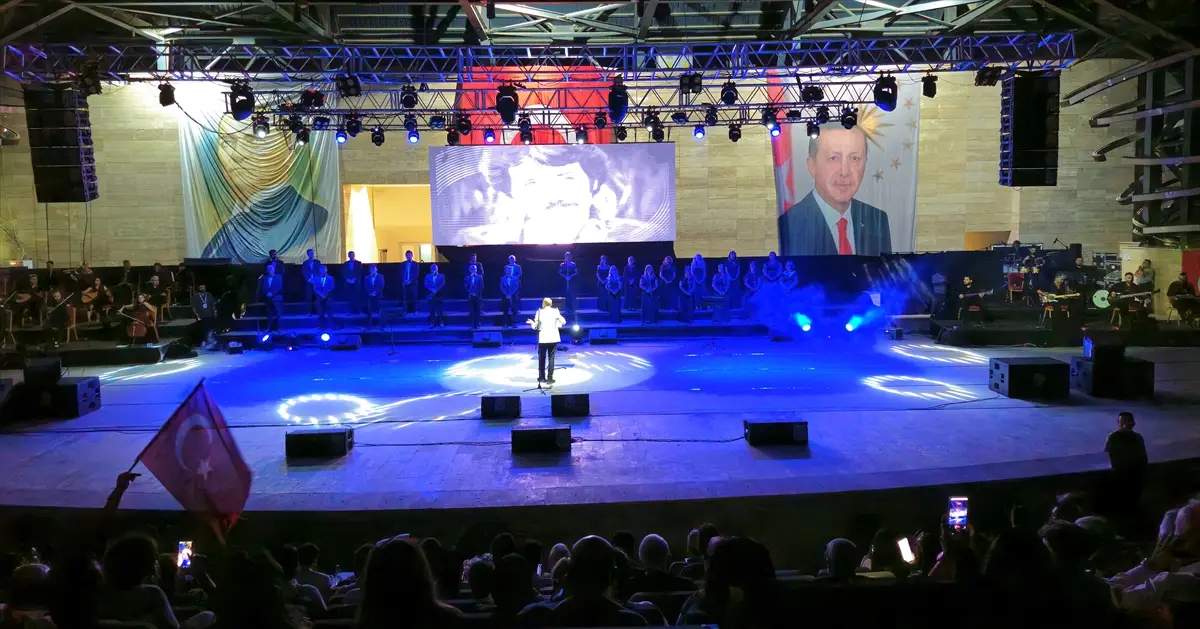
Anyway, let's put these aside. The day-long festival enthusiasm, deepening conversations, and new friendships overcome all these unpleasant developments. In the deep red and purple hues of the approaching evening, Barış Atay and Grup Mengene take the stage. The group, performing songs, türküler, and deyişes, delivers a piece by Moğollar quite powerfully: "Bir Şey Yapmalı."
Is it possible to stand by and do nothing, looking at this terrible state of our country and the world, at so much oppression and pain? As the song says, if a person calls themselves human, they must do something...
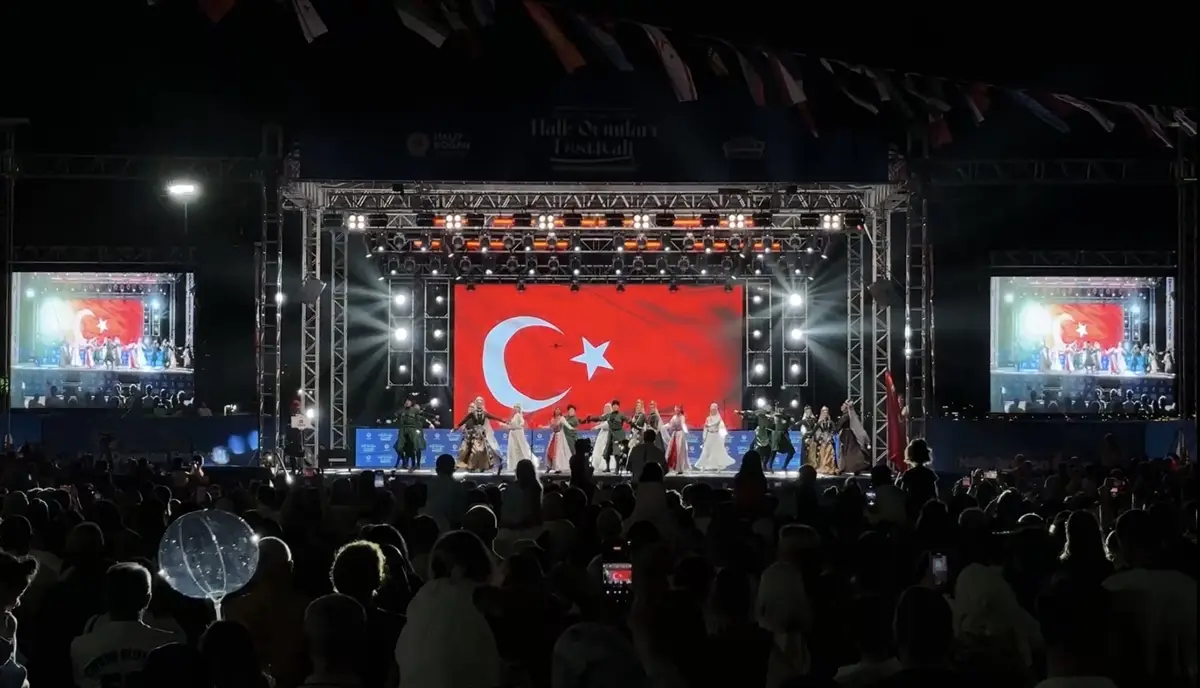
As darkness falls, the coolness also increases. However, the Turkish, Kurdish, and Arabic folk dances rising from the stage instantly warm our hearts. What truly warms our hearts, of course, is the crowd collectively joining in the dance, the halay. With the festival's final piece, "Çav Bella," the crowd literally erupts in enthusiasm, and the night ends with this universal folk song, a symbol of resistance...
Text and Photos: Engin KABAN




Comments
0 commentsNo comments on this article yet. Be the first!