
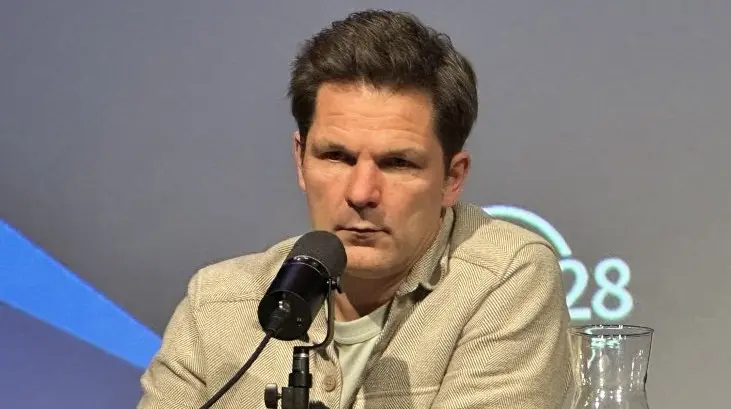
A new phase has begun in Berlin's government formation process. Following The Greens, the SPD has also decided to start preliminary talks with The Left Party and The Greens. Exploratory talks between the three parties have been paved the way, in line with The Left Party's candidate for Governing Mayor, Elif Eralp's, goal of forming a government in the capital. Thus, the process for a potential three-party alliance has officially begun.
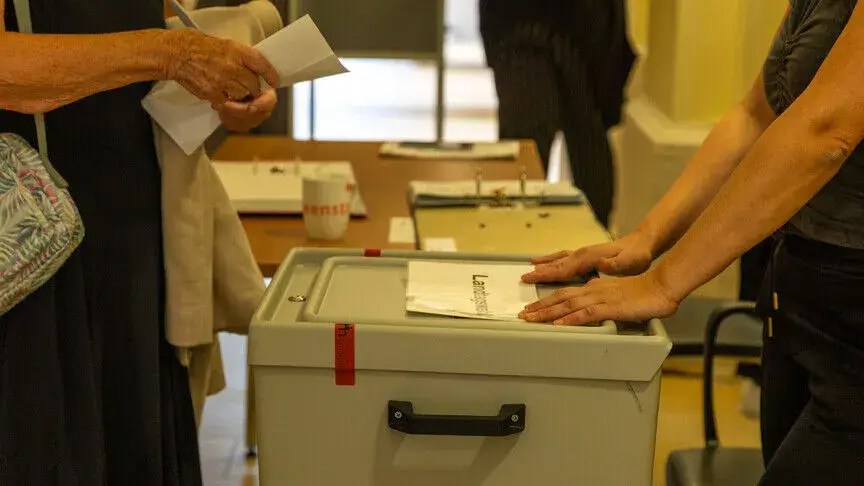
Government formation efforts have accelerated in Berlin, Germany's capital, following the State Parliament elections held on September 20. The Left Party, which finished first with 25.7% of the votes, had taken the first step for government formation talks with The Greens and the SPD. After The Greens approached the talks positively, the SPD leadership also decided to join the process.
The SPD Berlin State Executive Board unanimously approved holding Sondierungsgespräche (exploratory talks) with The Left Party and The Greens at its meeting on September 26. These talks aim to assess the conditions for a potential government partnership. The negotiating team is expected to include SPD State Chair and candidate for Governing Mayor Steffen Krach, as well as Bettina König and Derya Caglar.
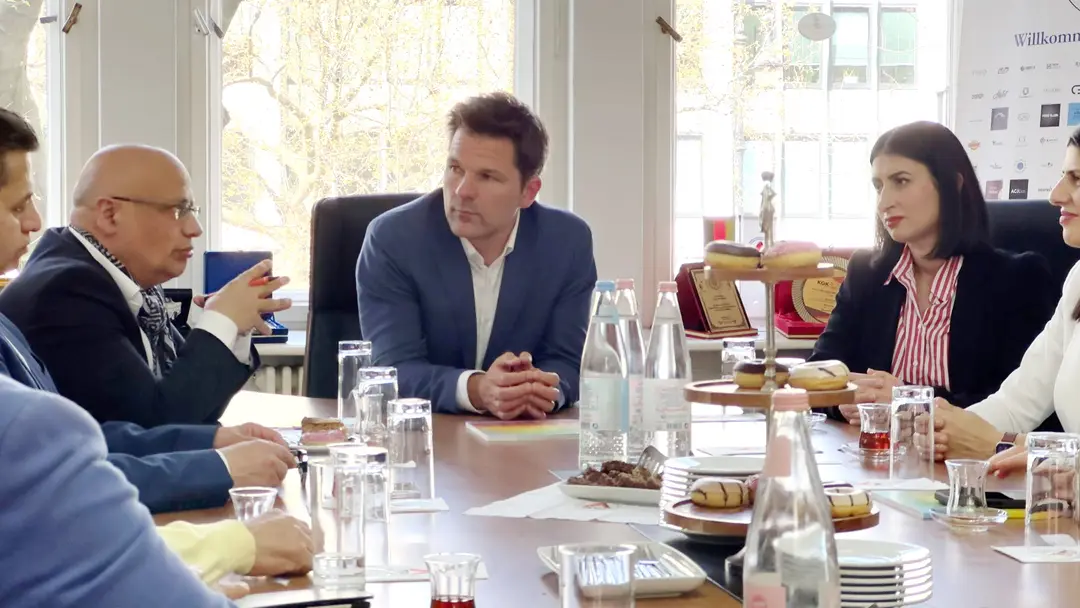
An important step for Elif Eralp
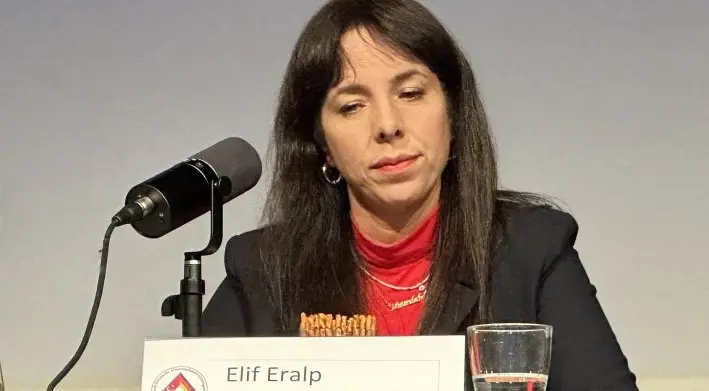
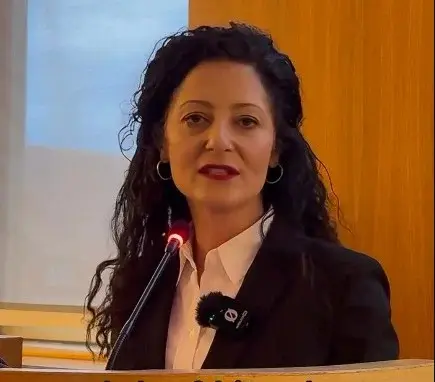
The Left Party, which became the strongest party in Berlin after the election, is nominating Turkish-origin politician Elif Eralp for Regierender Bürgermeisterin (Governing Mayor of Berlin).
The Left Party, led by Elif Eralp, had decided by a large majority at its party congress on September 25 to begin exploratory talks with the SPD and The Greens. With all three parties giving the green light to the negotiation process, the way has been opened for talks for a potential SPD-The Left Party-The Greens government. However, it is stated that the parties have not yet reached a coalition agreement and the government partnership has not been finalized.
SPD's candidate for Governing Mayor, Steffen Krach, also announced that they accepted The Left Party's invitation. Krach pointed out that there are some significant political and substantive obstacles regarding potential cooperation. He signaled that the process would not be easy.

Criticism of The Left Party also on the agenda
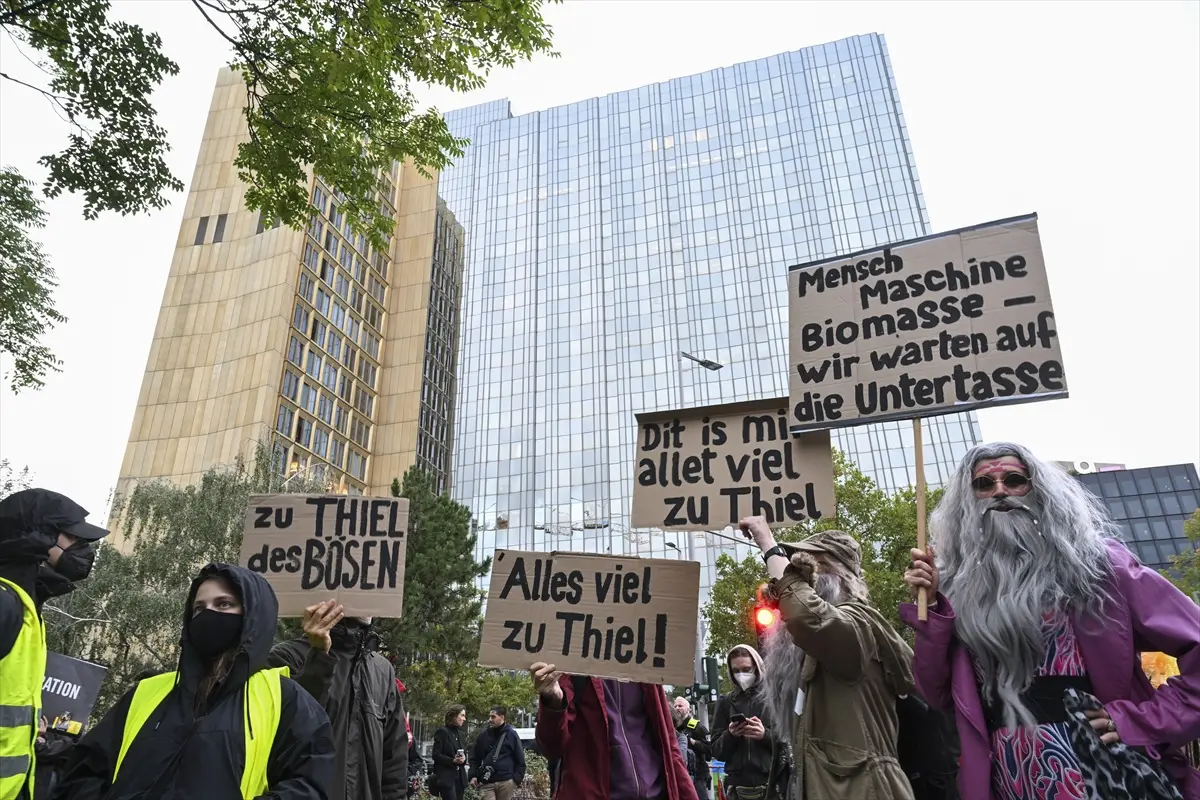
While a potential The Left Party-SPD-Greens cooperation is being discussed in Berlin, debates continue regarding antisemitism and links to organized crime due to some members of The Left Party and developments within its Berlin branch.
The Greens' Federal Co-Chair Franziska Brantner argued that The Left Party should not take on security-critical ministries such as Interior or Justice in a potential government. Discussions are particularly focused on The Left Party MP Ferat Koçak's contacts with certain individuals. The Left Party leadership, however, denies the antisemitism accusations.
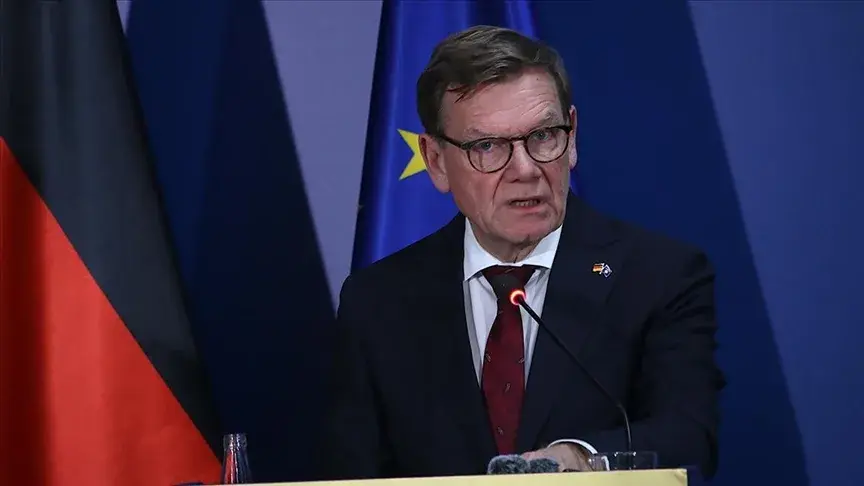
CDU/CSU Federal Parliamentary Group Leader Thorsten Frei also called on the SPD and The Greens not to form a government partnership with The Left Party. Frei argued that there are serious allegations regarding antisemitism and links to organized crime circles within The Left Party Berlin. These assessments were reflected in the public as Frei's political statements.
BSW's message of limited cooperation with AfD
In addition to the government search in Berlin, the post-election situation in Saxony-Anhalt continues to be debated in German politics.
In the Saxony-Anhalt State Parliament elections held on September 6, the AfD received the most votes with 43.8%, while the BSW entered parliament with 5.3%. Following these results, the BSW stated that it is open to discussions with the AfD on some political issues. However, the party leadership rejected a coalition partnership. BSW Co-Chair Amira Mohamed Ali also stated that cooperation with the AfD might be possible on certain matters, but the two parties' political views do not align on many issues.
Eyes now on exploratory talks in Berlin
The decision by the SPD, The Left Party, and The Greens to sit down for talks in Berlin marks an important stage in the post-election government formation process. However, it is not yet clear whether actual coalition negotiations will commence after the preliminary talks. It also remains uncertain whether the parties can form a common program, especially on issues such as housing policy, security, combating antisemitism, and the budget.



Comments
0 commentsNo comments on this article yet. Be the first!