
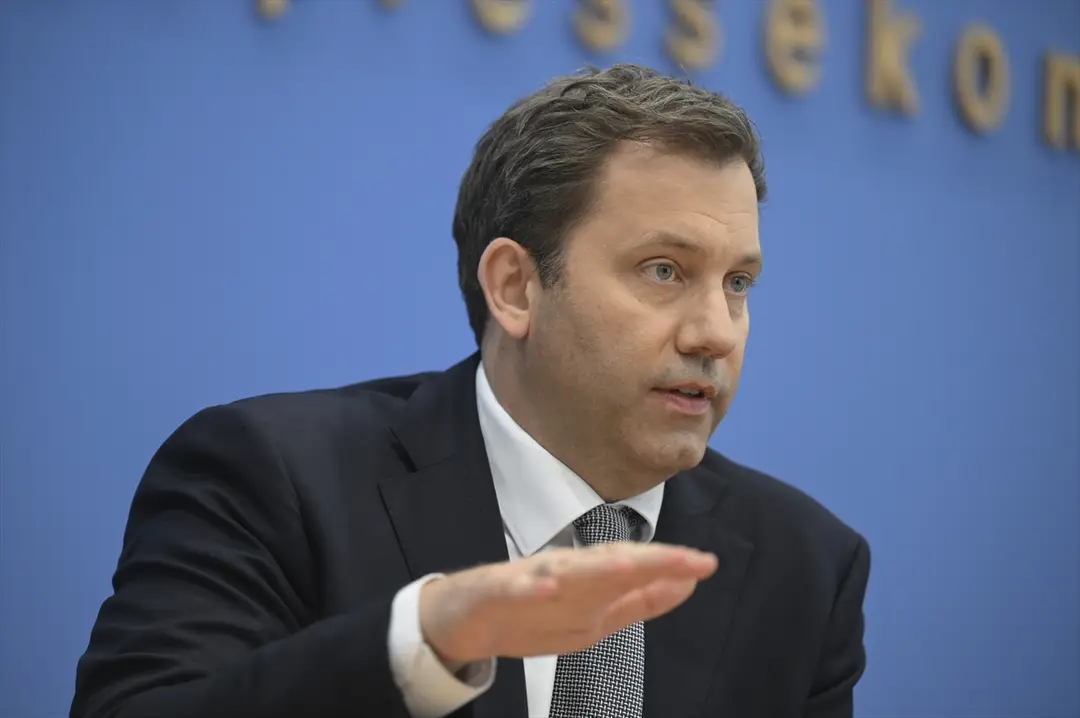
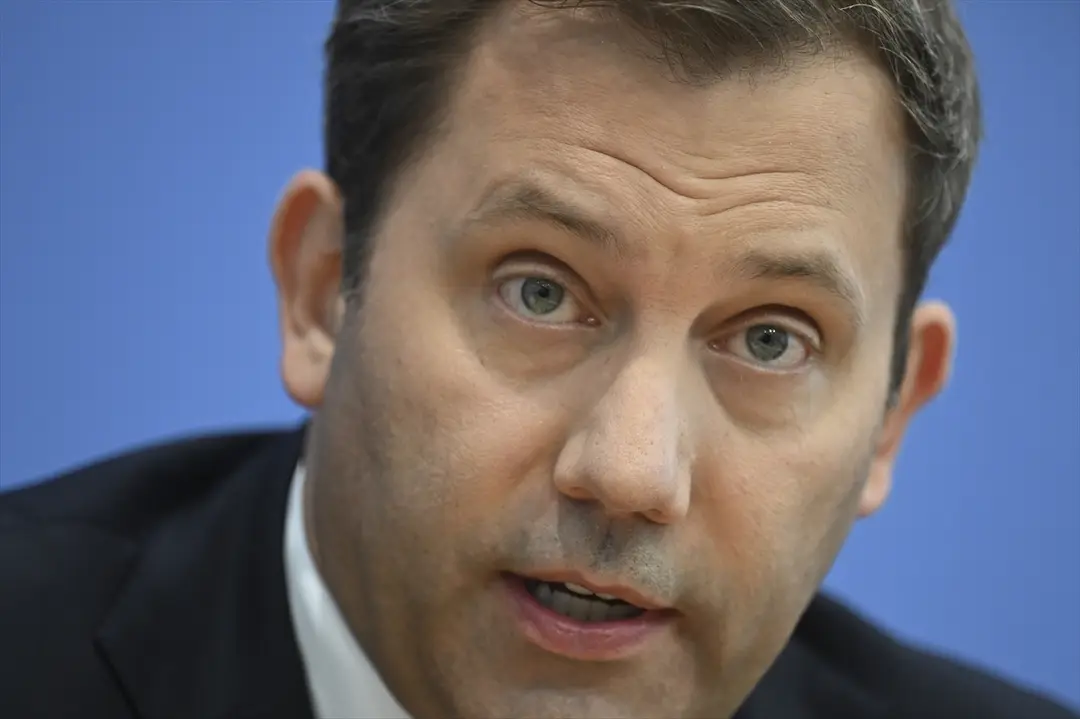
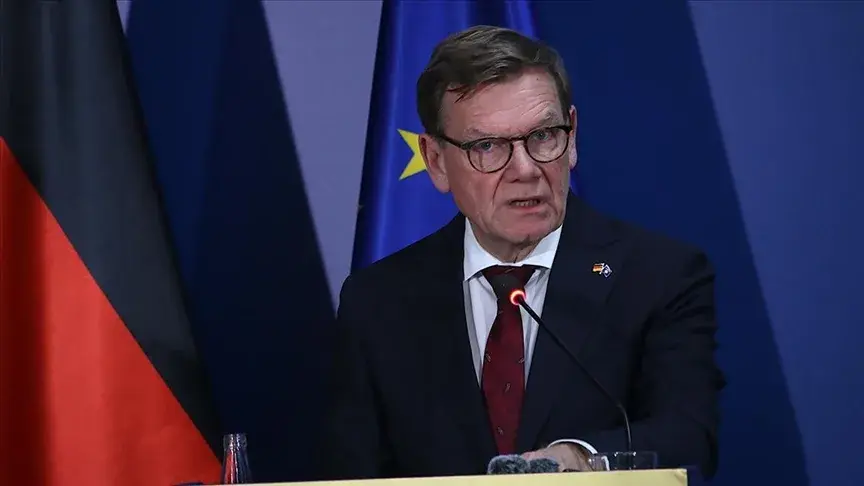
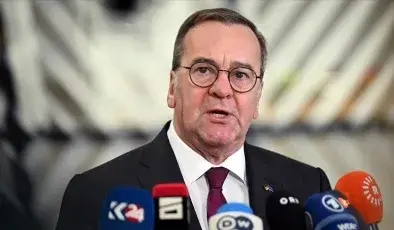
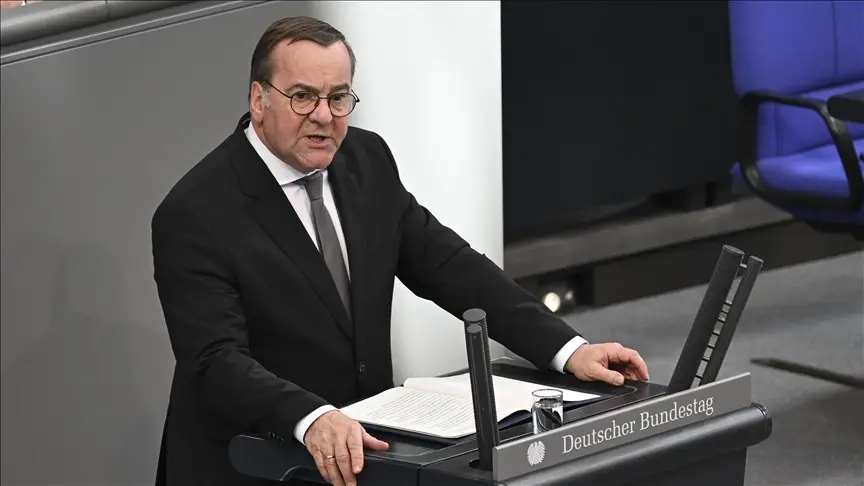
German Finance Minister Lars Klingbeil stated that significant investments are being made for the country's security and resilience. Klingbeil, emphasizing that peace in Europe is threatened by Russia's aggression, said that a balanced budget would not be sufficient to defend Germany.
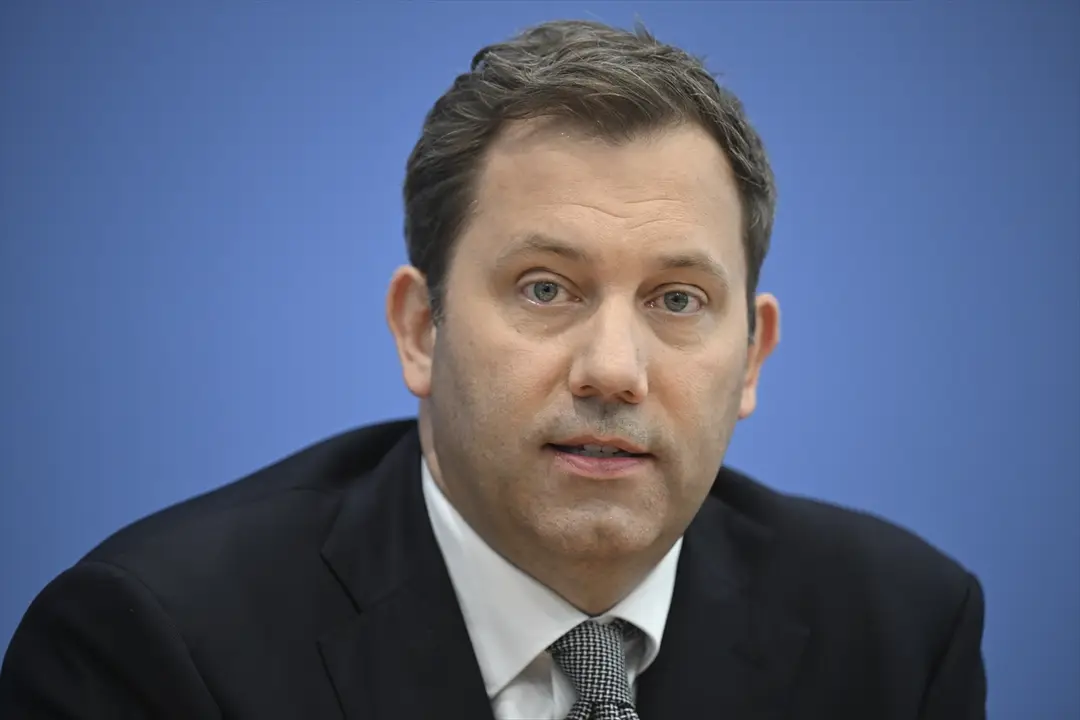
The German Ministry of Finance announced that the Cabinet approved the 2027 federal budget draft, which foresees 203.6 billion euros in new borrowing, and the financial plan up to 2030. The draft budget aims to increase total expenditures from 524.5 billion euros to 555.4 billion euros and prioritizes defense spending.
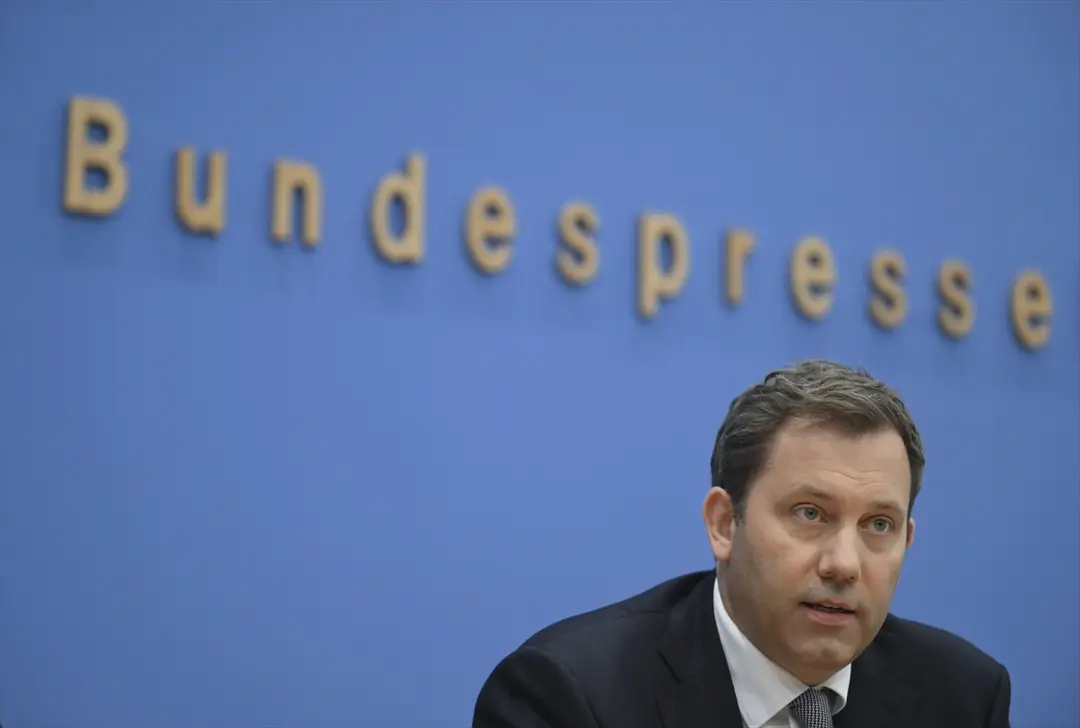
According to official budget projections, total expenditures are expected to rise from 555.4 billion euros in 2027 to 635.4 billion euros in 2030. Tax revenues are projected to increase from 394.7 billion euros in 2027 to 437.3 billion euros in 2030.
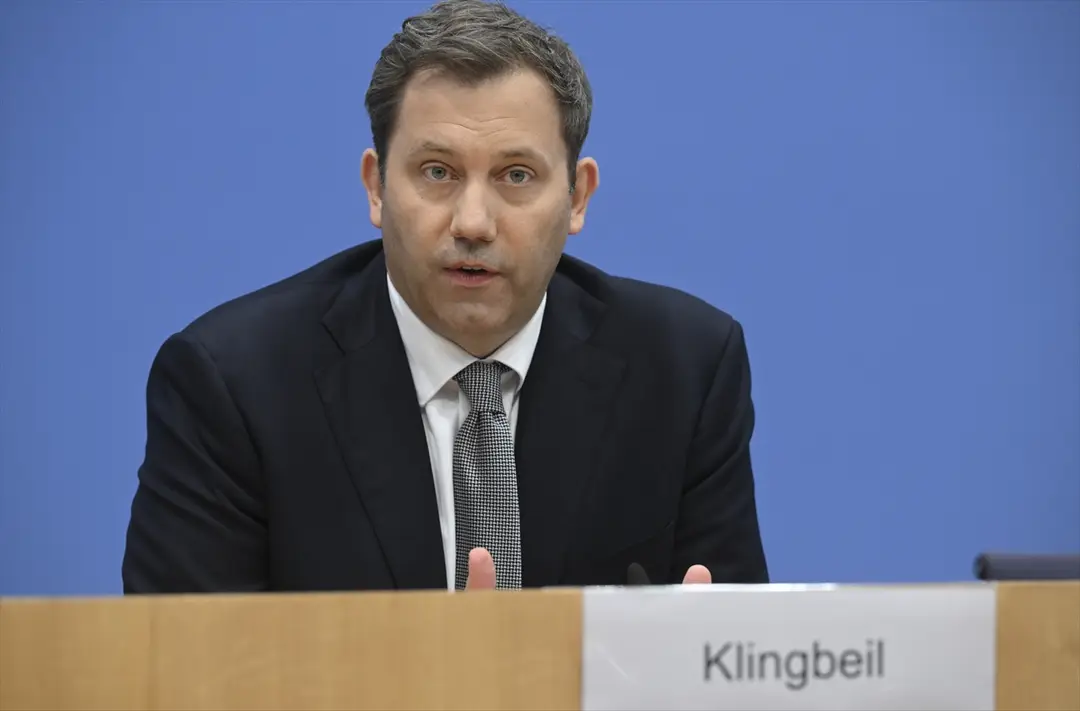
Increase in defense spending
According to the 2027 budget draft, the Ministry of Defense budget will increase from 82.7 billion euros to 109.7 billion euros. Defense spending is planned to reach 153.9 billion euros in 2028 and 183.7 billion euros in 2030. With this increase, the government aims to raise NATO's defense spending target to 3.5 percent of GDP by 2029. Military and logistical support for Ukraine is maintained at 11.6 billion euros in the 2027 budget.
Military and logistical support for Ukraine is maintained at 11.6 billion euros in the 2027 budget.
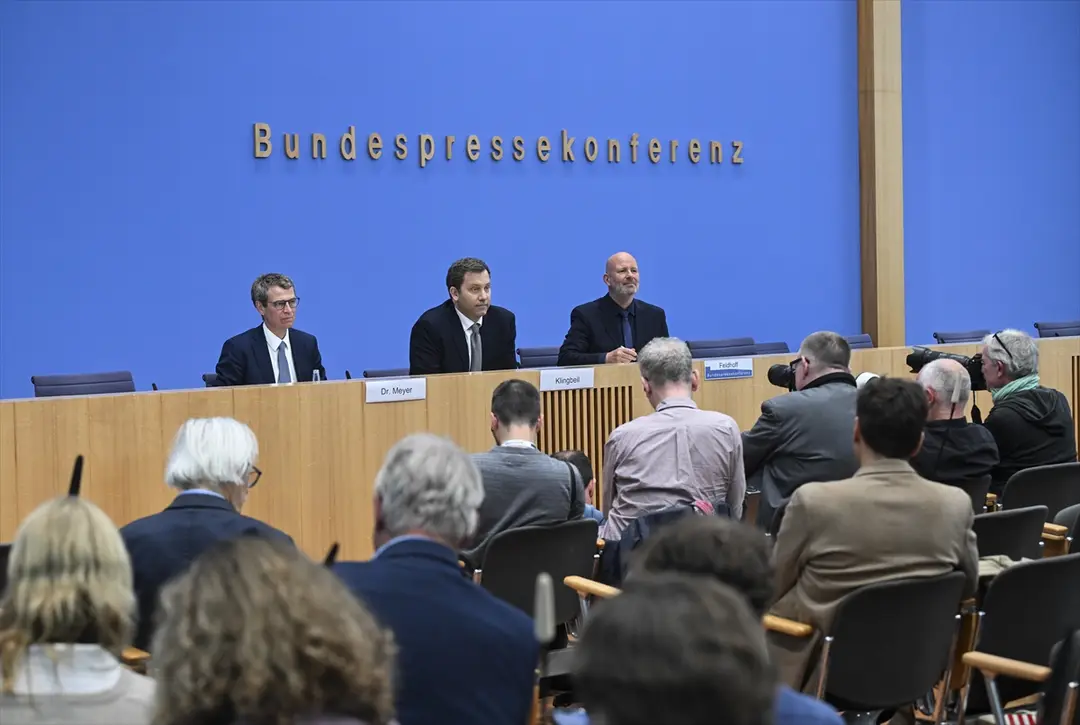
Additional taxes and cuts to close the deficit
The net borrowing in the federal government's core budget is expected to reach 118.7 billion euros in 2027. When including the German Armed Forces special fund, infrastructure, and climate protection items, the total new debt burden amounts to 203.6 billion euros. There is still a budget deficit of approximately 107 billion euros in the medium-term financial plan.
The government introduced additional measures to close the 2027 budget deficit. Taxes on alcohol, sparkling wine, and pre-mixed drinks will be increased by 20 percent, aiming for an additional 455 million euros in revenue. Federal subsidies to the pension insurance system will be reduced by 1 billion euros, while 450 million euros will be saved by eliminating urgent additional support for child benefits. The transfer of 2.7 billion euros from the Climate and Transformation Fund to the core budget and the deferral of repayments from the army special fund until 2033 are also among the budget balancing measures.
figure class="wp-block-image" data-align="center" style="text-align: center;">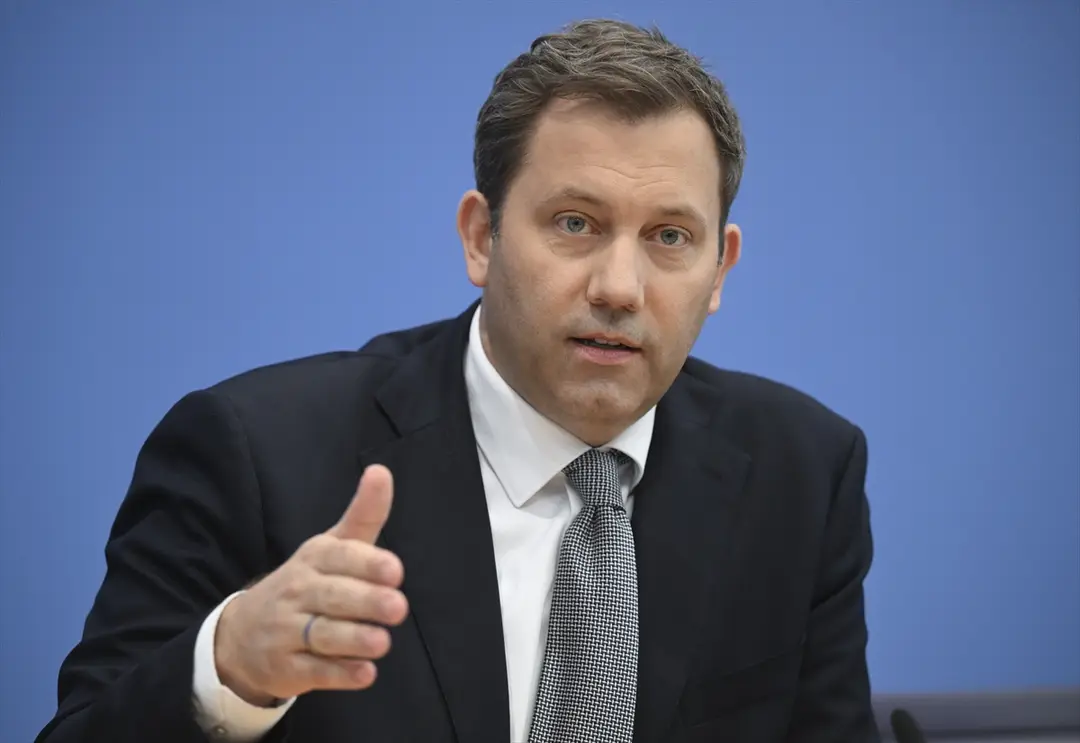
"Requires difficult decisions"
Finance Minister Klingbeil stated that they want to put Germany back on a growth path and create future employment. Klingbeil said, "We are making significant investments for our country's security, resilience, and defense. Peace in Europe is threatened by Russia's aggression, and a balanced budget alone will not be enough to defend Germany. We must close the investment gap that has accumulated in our defense capabilities over the last 30 years in a very short time. As Finance Minister, it is my duty to put the budget in order, and this process requires difficult decisions. We cannot continue as we have for the last 20 years. Today's budget consolidation will secure tomorrow's freedom."
figure class="wp-block-image" data-align="center" style="text-align: center;">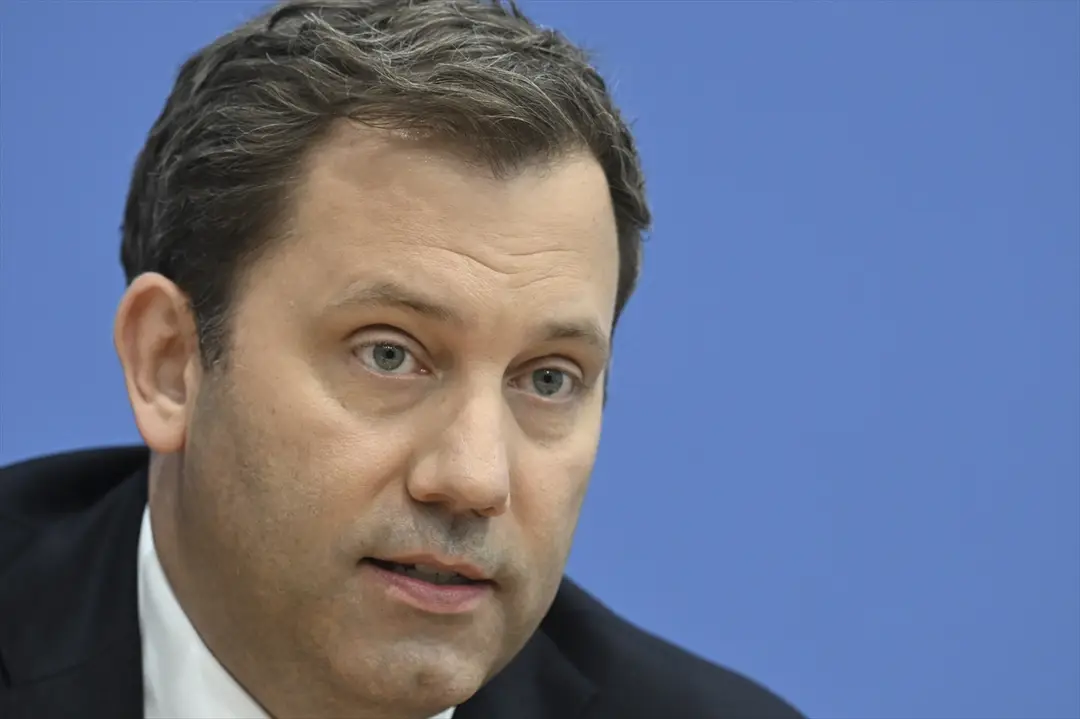
Reaction from businesses and trade unions to the budget draft
The 2027 budget draft approved by the German government became the target of strong criticism from business associations, trade unions, and environmental organizations. German businesses described the government's savings claims as "window dressing" and accused the coalition of pursuing a dangerous debt policy.
Tanja Gönner, CEO of the Federation of German Industries (BDI), described the increase in spending and borrowing as "alarming." Gönner warned that interest costs are rising rapidly and that almost one-fifth of tax revenues could go to interest payments by 2030.
Stefan Körzell, a member of the Executive Board of the German Trade Union Confederation (DGB), criticized the use of social welfare benefits for budget consolidation while military spending is massively increased, calling it a "major imbalance." Körzell also described the cuts in climate and transformation funds as a step that endangers the country's future. He argued that instead of closing budget deficits with climate funds, subsidies for company cars and heating oil should be reduced.
The German Federation for Environment and Nature Conservation (BUND) interpreted the plans as an attack on climate protection policies. The coalition's plan to implement a sugar tax on beverages starting January 1, 2027, also increased unrest in the business community.
figure class="wp-block-gallery has-nested-images columns-default is-cropped" data-editor-block="gallery">




Comments
0 commentsNo comments on this article yet. Be the first!