
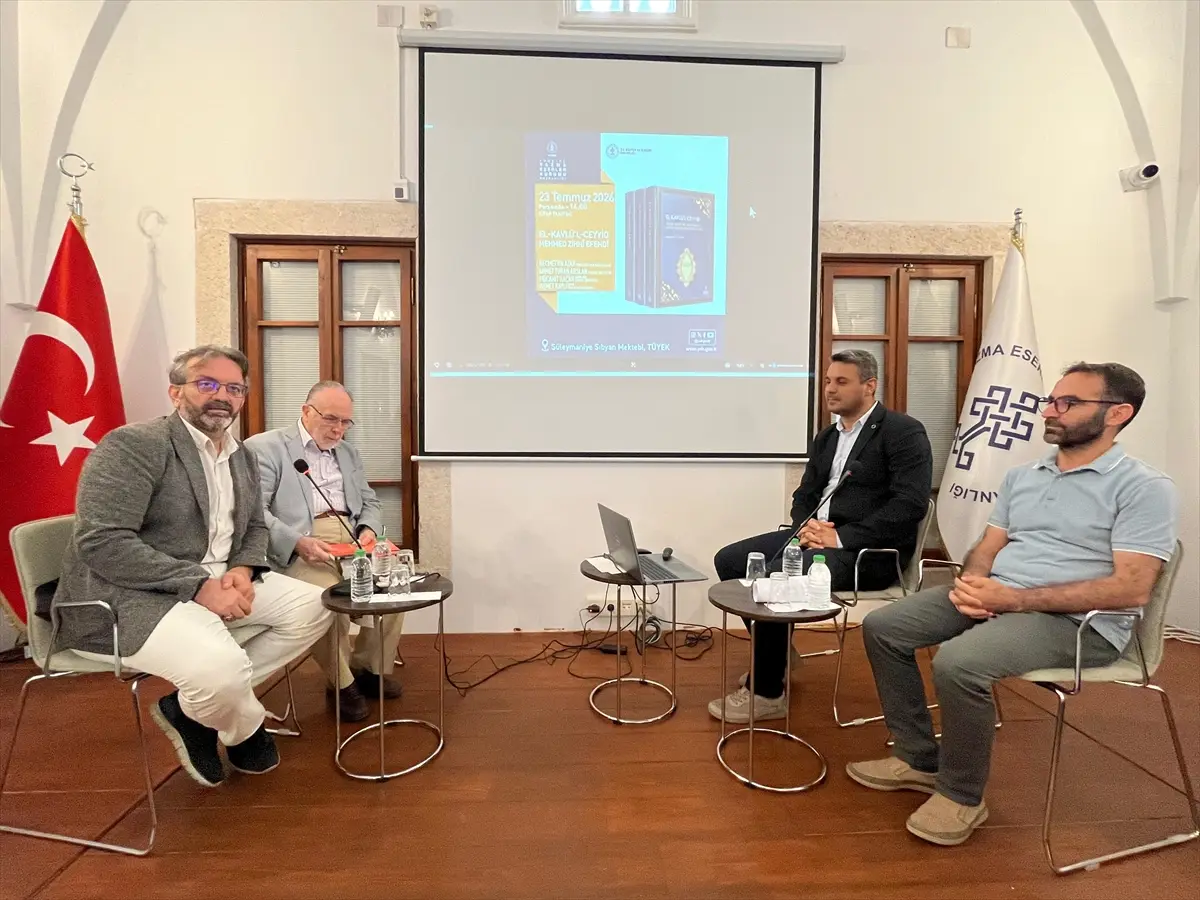
Prof. Dr. Halil İnalcık, known as the "doyen of historians" and having gained international prestige for his pioneering work on Ottoman and Balkan history, is being commemorated on the 10th anniversary of his passing.
Halil İnalcık, whose father Seyit Osman Nuri Bey was a Crimean immigrant and mother was Ayşe Bahriye Hanım, was born in Istanbul on September 7, 1916.
He completed his primary and secondary education in Ankara and Sivas. He received his high school education at Balıkesir Necati Bey Teacher Training School. He graduated from the History Department of Ankara University's Faculty of Language, History and Geography in 1935. His work during his student years attracted the attention of Prof. Dr. Fuat Köprülü, one of the leading historians of the period. Upon Köprülü's recommendation, he started working as an academic assistant at the same faculty.
İnalcık, who completed his doctoral thesis titled "The Tanzimat and the Bulgarian Question" in 1942, received the title of associate professor in 1943 with his work "The Ottoman Empire and the Crimean Khanate from Vienna to the Great Retreat."
İnalcık, who married Şevkiye Işıl from the Arabic Language and Literature Department of Ankara University's Faculty of Language, History and Geography in 1945, had a daughter named Günhan from this marriage. Elected to the Turkish Historical Society in 1947, İnalcık focused his academic work on Ottoman political, social, and economic history.
Sent to England by Ankara University in 1949, İnalcık conducted research on Ottoman archival sources there and had the opportunity to work with important historians of the period. İnalcık, who received the title of professor in 1952, later taught as a visiting professor at Columbia, Princeton, Pennsylvania, and Harvard universities.
İnalcık, who retired from Ankara University in 1972, where he had started as a student, was invited to the University of Chicago in the USA the same year. Here, İnalcık spearheaded the establishment of the Chair of Ottoman History and played a significant role in the development of Ottoman-Turkish history research in American academia.
He retired from the University of Chicago in 1986. In 1993, İnalcık founded the History Department at Bilkent University. For approximately 23 years, he gave lectures and seminars to master's and doctoral students. He contributed to the training of numerous historians. İnalcık donated copies of archival documents he had collected over the years, research notes, rare works, and his rich personal library to the “Halil İnalcık Center for Ottoman Studies,” established at Bilkent University in 2003.
Proficient in English, French, and German, and also knowing Arabic, Persian, and Italian, İnalcık gained significant prestige in the international academic world. In addition to the Turkish Historical Society, he was elected as a member to science academies in various countries. He was awarded honorary doctorates by many universities.
İnalcık, who received numerous awards throughout his academic life, was honored with the Ministry of Culture's “Grand Prize for Culture and Arts” in 2002.
İnalcık, who authored hundreds of articles and dozens of works on Ottoman history, and particularly brought a new perspective to historiography with his archive-based studies, passed away at the age of 100 on July 25, 2016, at the hospital where he was receiving treatment in Ankara.
By a decision of the Council of Ministers, İnalcık, who was buried in the graveyard of Fatih Mosque, where the tomb of Fatih Sultan Mehmet, whom he greatly admired, is also located, had his grave constructed in the form of a traditional Ottoman scholar's tomb at the instruction of President Recep Tayyip Erdoğan.
Prof. Dr. Halil İnalcık, in his studies, examined not only political history but also the social, economic, and institutional structure of the Ottoman Empire in light of archival documents. His research on state organization, legal system, urban history, tax regulations, production relations, trade, bureaucracy, demography, and cultural life became among the fundamental reference sources for Ottoman historiography.
İnalcık's works, considered one of the most important figures in Ottoman historiography in Turkey and worldwide, were translated into many languages, while his research also guided new generations of academics in the discipline of history.
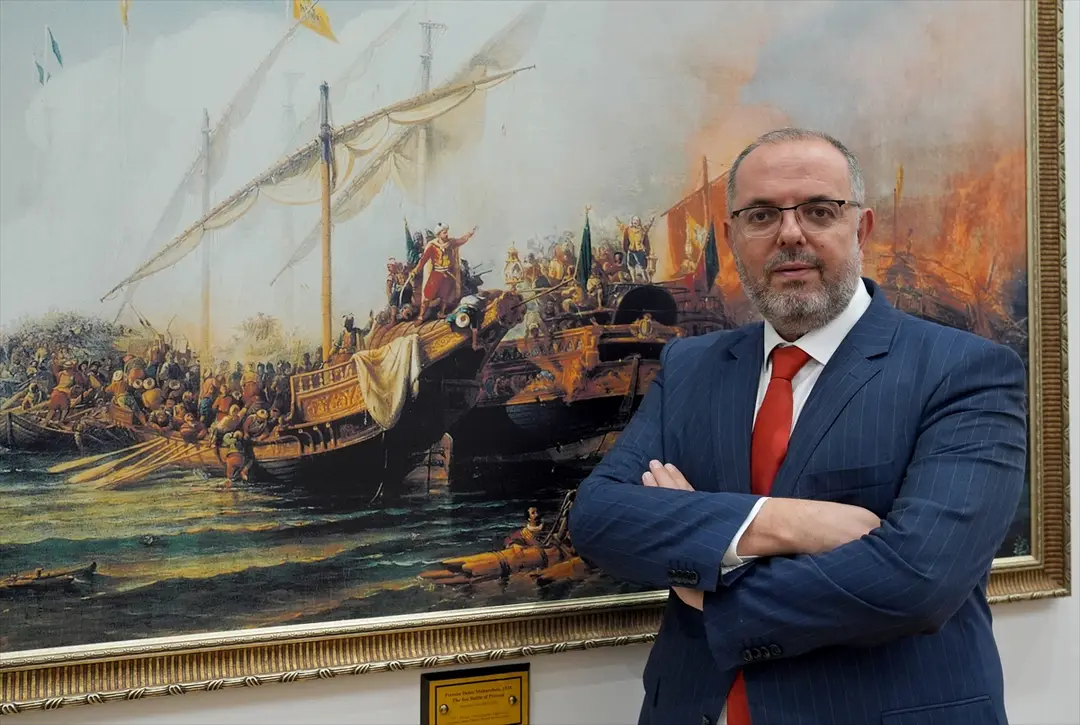
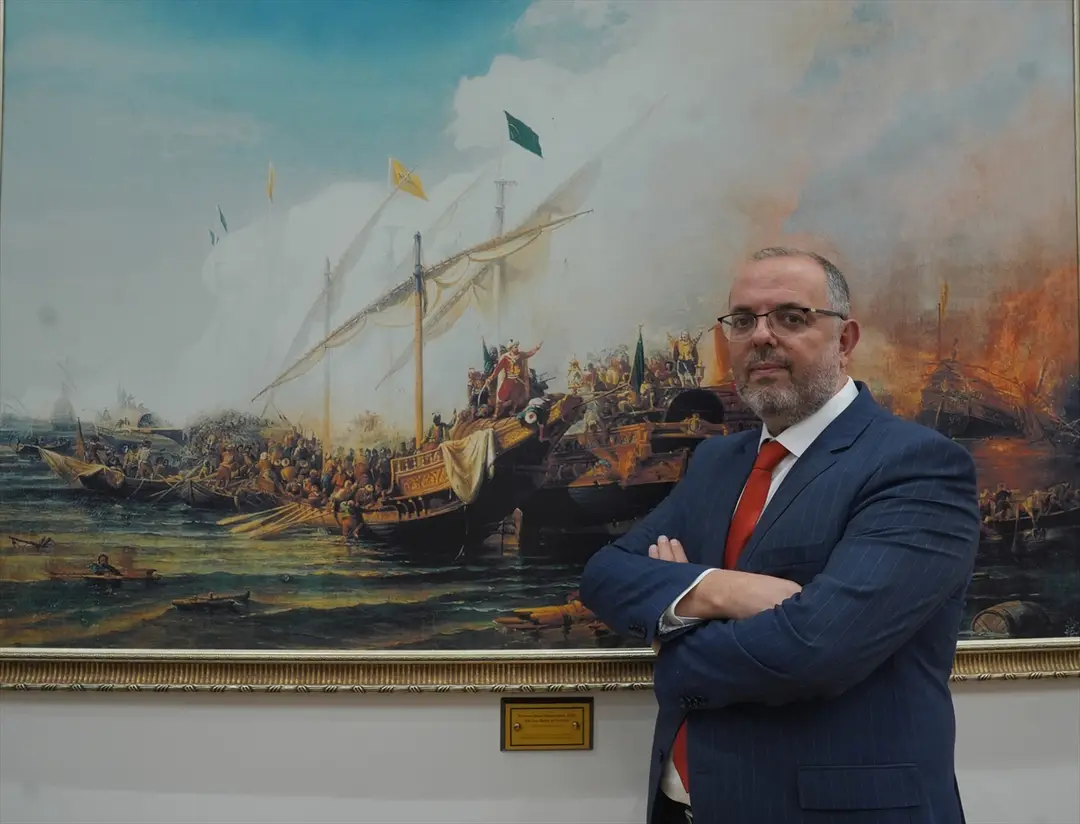
Prof. Dr. Erhan Afyoncu, Rector of National Defense University, commented on the occasion of the 10th anniversary of Halil İnalcık's passing. Afyoncu stated that İnalcık was one of the most important figures not only in Turkish but also in world historiography.
Afyoncu stated that İnalcık held a unique place with his determination to work, scientific curiosity, and mastery of sources, saying, "In my opinion, Halil İnalcık is the greatest historian, past, present, and future. I don't think a historian of Ottoman history of this caliber will come again."
Afyoncu stated that İnalcık dedicated his 100-year life to producing work until his last moment, noting that many scientists could not sustain such a productive academic life.
Afyoncu explained that in addition to İnalcık's sharp intellect and strong analytical ability, his most important characteristic was his unending curiosity, sharing new information and documents he acquired even in his late 90s with great excitement, and in this respect, constantly pursued new research.
Afyoncu pointed out that İnalcık was one of the figures who changed the perspective on Ottoman history, stating, "He spent his life on the path of Ottoman history. Most importantly, he is one of the important scholars who caused the perspective on Ottoman history to change in the world and in Turkey. Especially with his works written in English, he integrated the Ottomans into world historiography."
Afyoncu stated that primary sources lay at the foundation of İnalcık's understanding of historiography, and that his studies, based on first-hand documents, especially the Ottoman Archives and Sharia court registers, opened the door to a new era in historical writing.
Afyoncu stated that İnalcık played an important role in strengthening the institutional structure of the Ottoman Archives with the support of then-Prime Minister Turgut Özal in the 1980s, thus noting that the archive was opened to researchers from all over the world.
Afyoncu stated that İnalcık did not merely publish documents but analyzed and interpreted them within their historical context, which was one of the most distinctive aspects of his works.
Afyoncu stated that the most important characteristic new generation historians should learn from İnalcık is curiosity and work discipline, pointing out that his teacher pursued the questions in his mind throughout his life.
Afyoncu explained that İnalcık did not merely rely on written sources when researching the establishment of the Ottoman Empire, but also conducted field studies and utilized different disciplines, saying, "Our teacher's curiosity and diligence should be an example for all of us. But the most important thing he taught us was how to use primary sources and analyze them."
Afyoncu emphasized that İnalcık dedicated his life to re-evaluating Ottoman history in light of correct sources with this understanding, stating, "One of Halil İnalcık's most important sayings is this: 'Ottoman history is the most incorrectly written and understood history. I tried to correct this throughout my entire life.' he would say. This is a saying I have not forgotten."
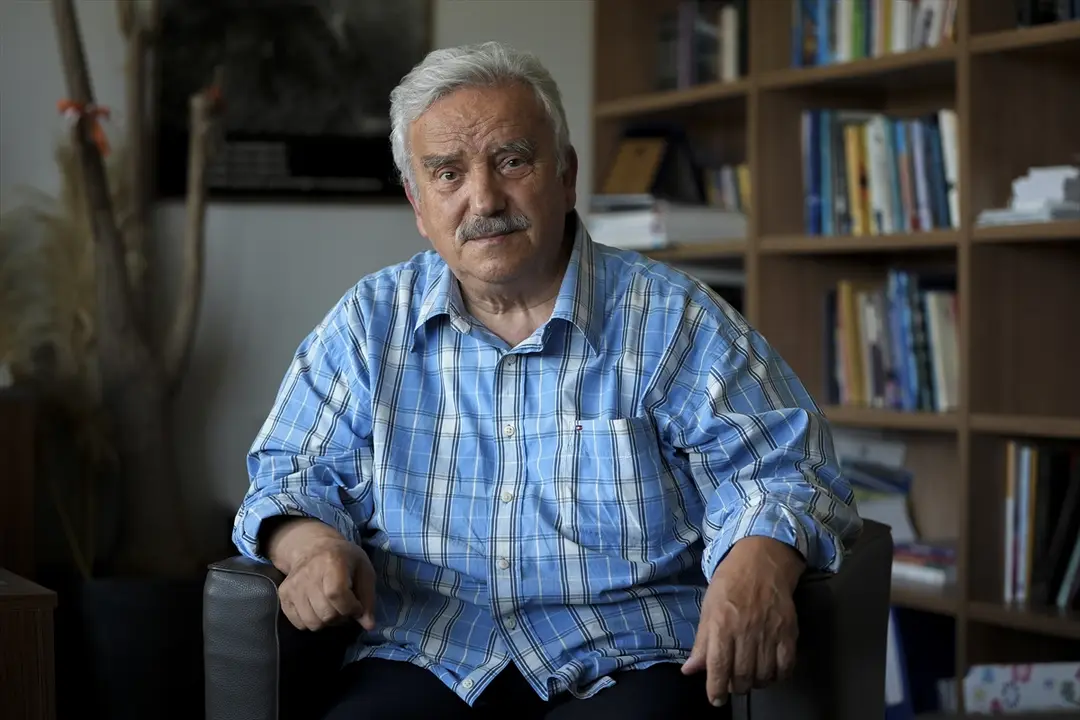
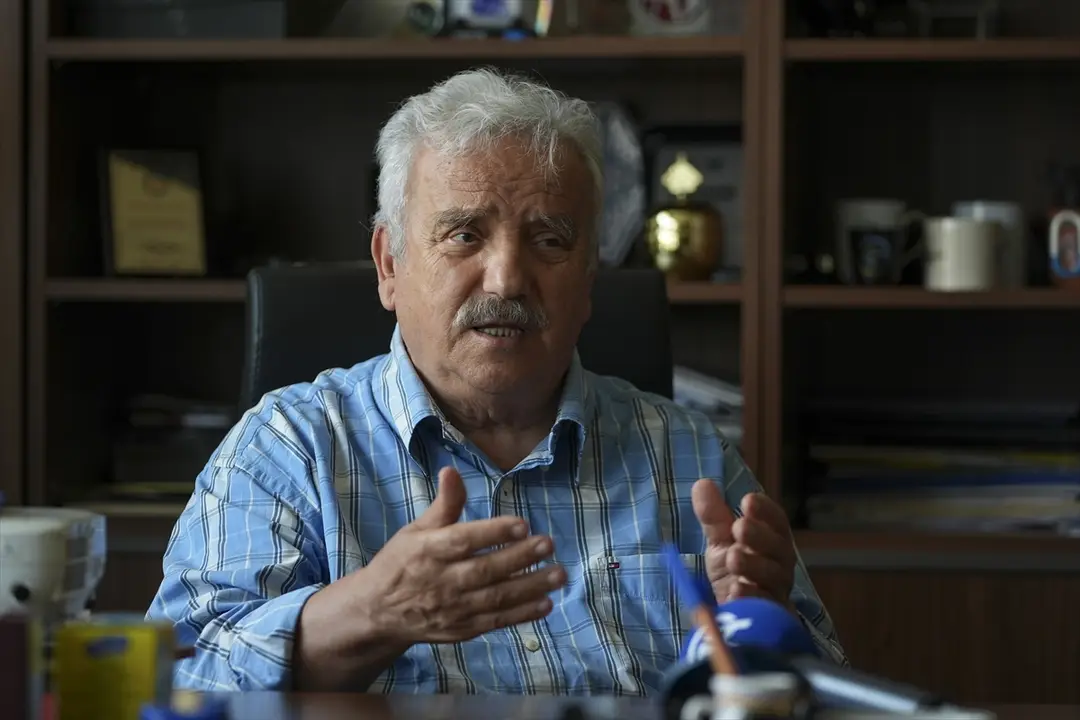
Prof. Dr. Mehmet İpşirli, a Faculty Member at Istanbul Medipol University, also stated that his first acquaintance with İnalcık dated back to the 1960s when he was studying in the History Department at Istanbul University.
İpşirli stated that he closely followed İnalcık's work during the preparation process of the Turkish Diyanet Foundation Encyclopedia of Islam, and that the historian, who visited the Center for Islamic Studies (İSAM), examined the entries one by one and expressed great satisfaction with the work.
İpşirli recounted that during this visit, İnalcık demonstrated his scientific meticulousness with the words, "I'm giving you a blank check. From now on, you can take everything I've written. If I can write new material, I will also contribute. But I have one condition: I will see it last." He explained that his teacher checked the texts to be published word by word and showed great sensitivity even to the smallest detail.
İpşirli stated that İnalcık later authored numerous entries for the Turkish Diyanet Foundation Encyclopedia of Islam, and that the entries concerning the first Ottoman sultans, in particular, are still among the fundamental reference sources today.
İpşirli pointed out that Halil İnalcık's historiographical journey was entirely shaped in Turkey, stating that his success stemmed not from being educated abroad, but from his strong educational background and disciplined work ethic.
İpşirli stated that İlber Ortaylı used the phrase "One hundred percent Turkish intellectual" for İnalcık, and despite this, İnalcık closely followed Western historiography and effectively used many languages, especially French, English, and German.
İpşirli stated that İnalcık had sufficient knowledge to read Arabic and Persian texts, and that his wife, Şevkiye İnalcık, who was a Professor of Arabic Language and Literature, also made significant contributions to his work.
İpşirli emphasized that İnalcık's most prominent characteristic was his excellent familiarity with Ottoman archives and classical sources, and pointed out that his ability to interpret these documents constituted the real difference.
"Seeing a document is one thing, correctly understanding what it says and presenting it with a scientific methodology is another. This was Professor Halil's distinction," he commented.
İpşirli pointed out that İnalcık did not merely rely on written sources, explaining that in his research on the founding period of the Ottoman Empire, he conducted field studies, examining historical sites in Bursa and its surroundings on-site and supporting written sources with field observations.
İpşirli stated that this approach brought a new perspective to Ottoman historiography and noted that İnalcık also demonstrated the importance of the interdisciplinary method in historical research.
İpşirli stated that Halil İnalcık's works, particularly "Studies and Documents on the Reign of Fatih" and "Arvanid Defteri," published in the 1950s, resonated widely in international historical circles.
İpşirli stated that these works challenged established views on Ottoman administration in the Balkans, and that İnalcık later brought Ottoman history to the center of world historiography with comprehensive entries published in international encyclopedias and his English works.
Emphasizing that İnalcık stood out not only for his academic personality but also for his commitment to national and cultural values, İpşirli stated that the historian could never forget an incident he experienced at the Congress of Byzantine Studies he attended in Munich in 1958.
İpşirli said that İnalcık recounted his experience at the congress as follows: "At that congress, the head of the Munich Catholic Church said in the closing session, 'Sooner or later, the Byzantine cross, the Byzantine star, will shine atop Hagia Sophia.' Academics stood up and applauded for minutes. 'My hair stood on end,' he said. 'I could never forget this throughout my life. I saw that Europe did not overlook anything like this, that everything had such a place in their minds. Let's pay close attention to this.'"
İpşirli stated that Halil İnalcık's works are still among the fundamental reference sources today, emphasizing that the most important reason for this is his sound methodology.
İpşirli stated that İnalcık's historiography will continue to guide future generations, saying, "It is not easy to read, understand, and use a source in the right context. Halil İnalcık was one of the historians who did this best. That is why his works will continue to be read and referenced not only today but also 50 and 100 years from now."

Comments
0 commentsNo comments on this article yet. Be the first!