
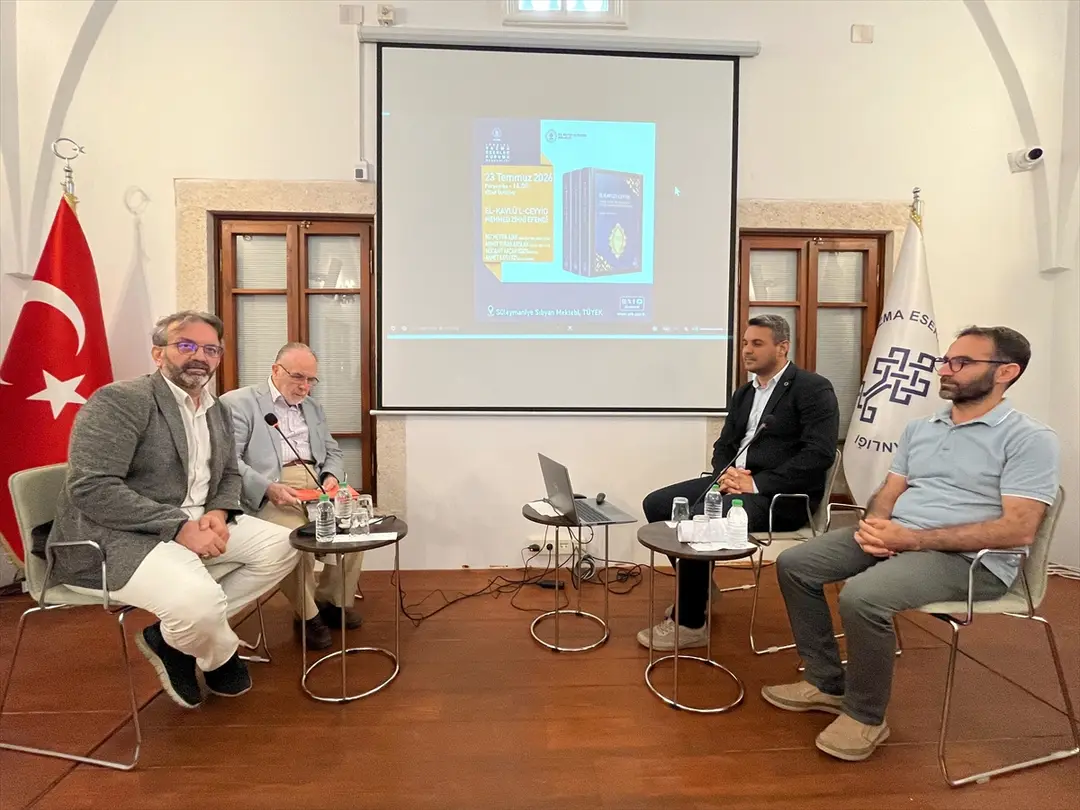
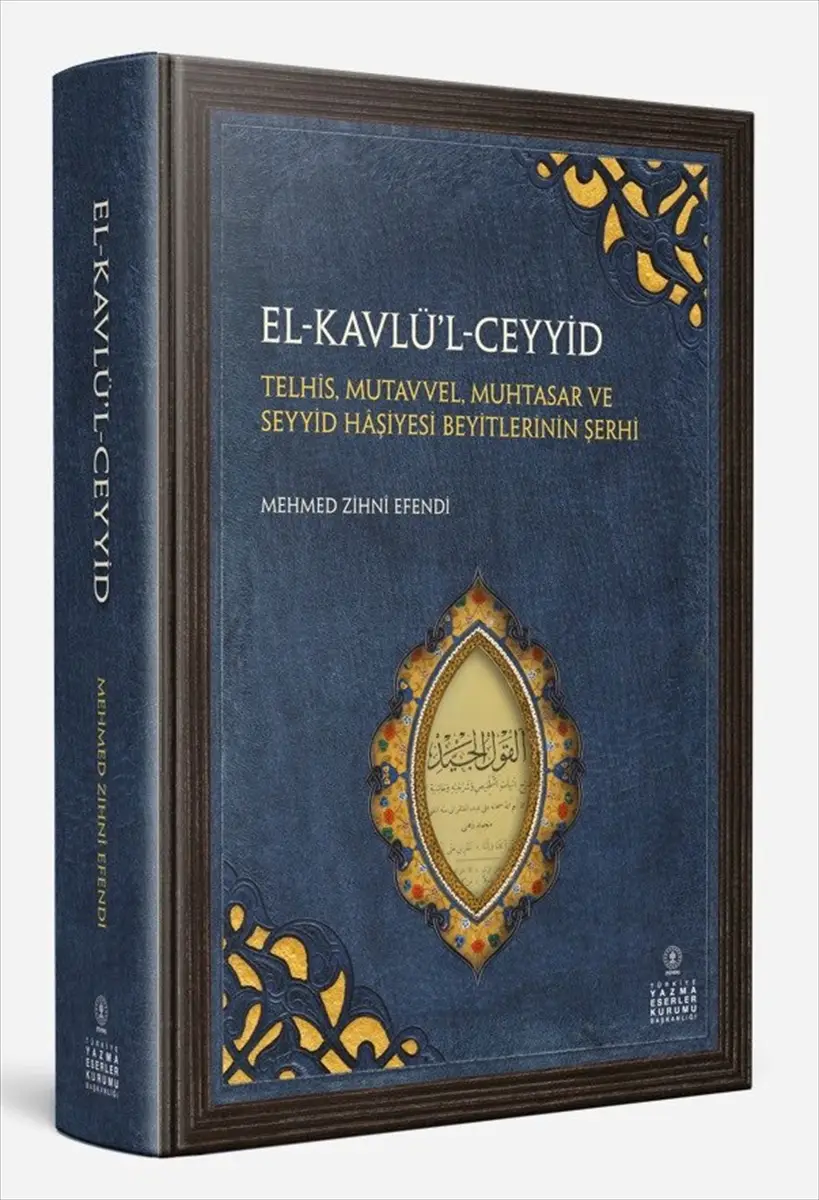
The work "El-Kavlü'l-Ceyyid," penned by Ottoman scholar Mehmed Zihni Efendi, has met with readers. The full title of the work was stated as "Şerhi Ebyati't-Telhis ve Şerhayhi ve Haşiyeti's-Seyyid Telhis, Mutavvel, Muhtasar ve Seyyid Haşiyesi Beyitlerinin Şerhi Mehmed Zihni Efendi."
The Presidency of the Turkish Manuscripts Institution, affiliated with the Ministry of Culture and Tourism, published the work. Prof. Dr. Mücahit Kaçar, Prof. Dr. İlyas Karslı, and Assoc. Prof. Dr. Ali Benli prepared it for publication.
The work explains hundreds of illustrative couplets found in rhetoric works that have been taught for centuries in Ottoman madrasahs.
The work, which comments on the couplets with their prosody (aruz), grammar, dictionary meanings, and historical contexts, is an important reference source for Arabic literature and the tradition of rhetoric. The new edition offers a comprehensive study including the author's life, commentary method, and academic discussions surrounding the work.
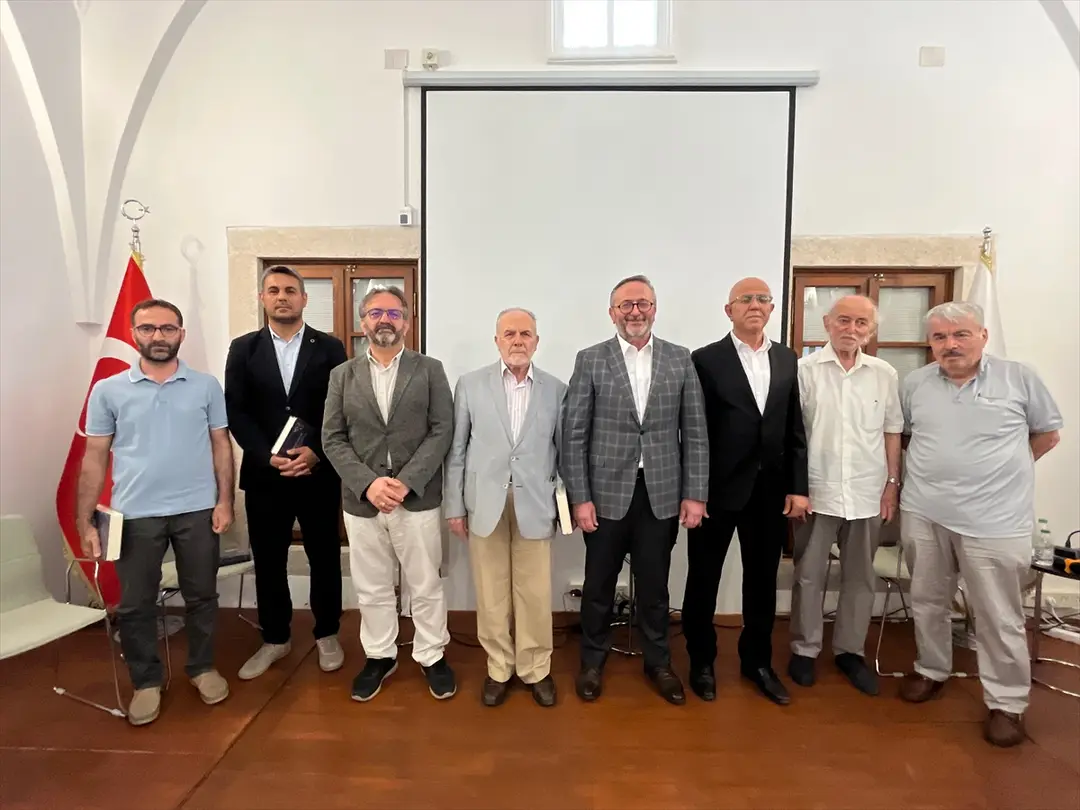
A promotional meeting for the work was held at Süleymaniye Sıbyan Mektebi. Assoc. Prof. Dr. Necmettin Azak, Head of TÜYEK's Translation and Publication Department, moderated the event. At the meeting, Prof. Dr. Ahmet Turan Arslan, a faculty member at Fatih Sultan Mehmet Vakıf University, Prof. Dr. Mücahit Kaçar from Istanbul University, and TÜYEK manuscript expert Ahmet Kaylı delivered speeches.
Assoc. Prof. Dr. Necmettin Azak stated that TÜYEK has been publishing fundamental classical texts since its establishment. He noted that the institution has published 404 volumes of works, including reprints.
Azak stated that publishing activities are ongoing in 4-5 categories. He emphasized that Mehmed Zihni Efendi is an important figure raised in these lands.
Prof. Dr. Ahmet Turan Arslan gave information about Zihni Efendi's life and works. He explained that the author came from a noble family and dedicated his life to reading and writing.
Arslan stated that Zihni Efendi taught religious sciences at Galatasaray High School for many years. He said, "He left behind quite valuable works. He wrote 'El-Kavlü'l-Ceyyid' and most of his other works to better teach Arabic. One of the other important things he did was to add diacritics (hareke) to his works to prevent errors. In this sense, he was a very meticulous person."
Arslan, stating that Zihni Efendi was born and raised in the Vefa district of Fatih, quoted him as saying, "His family settled there 200 years ago. His grave is also in Küplüce Cemetery. We found his grave through İbrahim Subaşı, Hüsrev Subaşı's father."
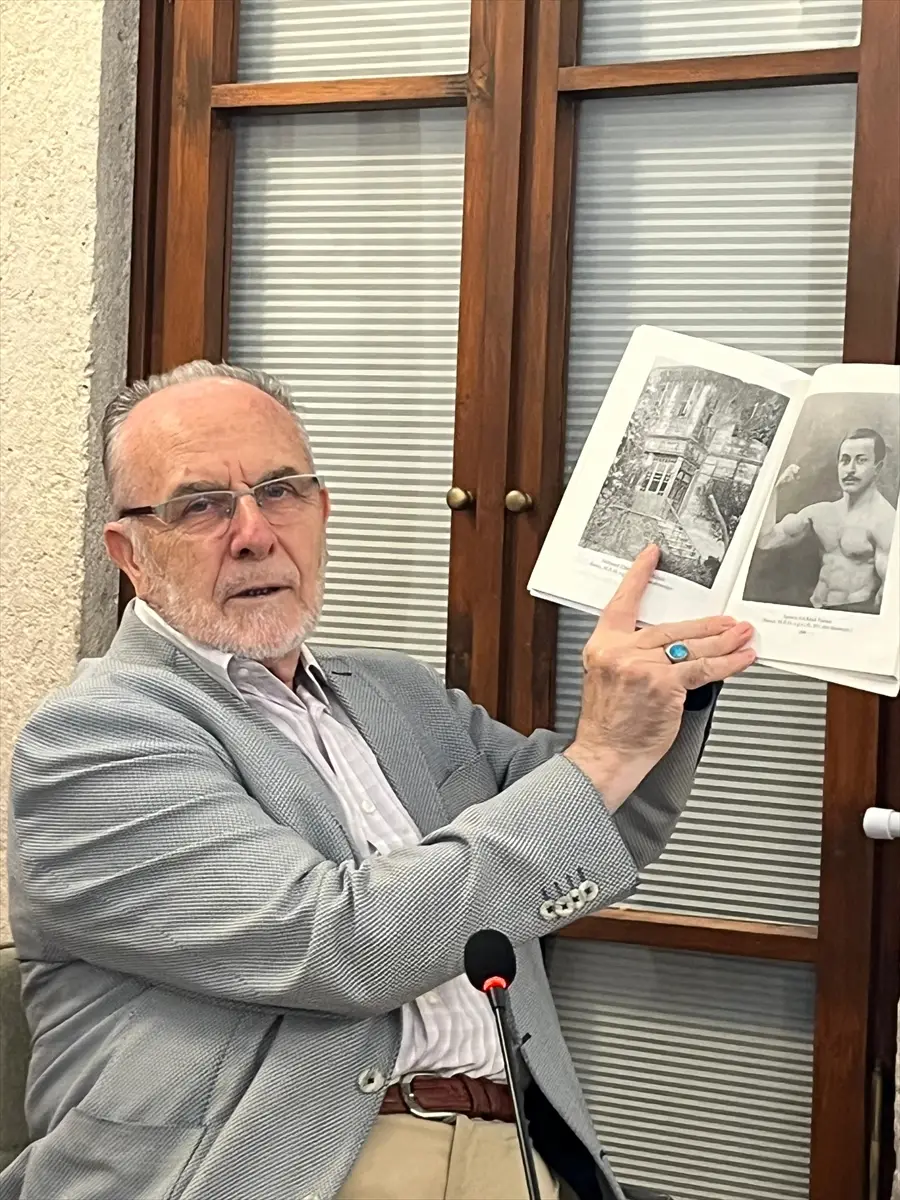
Prof. Dr. Mücahit Kaçar said that Mehmed Zihni Efendi's real name was "Mehmed" and he took the nickname "Zihni" due to his intelligence. Kaçar shared the information, "He was born on July 10, 1846, and passed away on December 17, 1913, in his mansion in Beylerbeyi. He wrote nearly 30 works and produced works in many different fields. 'Ni'met-i İslam' is a famous fiqh book."
Kaçar emphasized that everyone working in the field of rhetoric has crossed paths with the work "El-Kavlü'l-Ceyyid."
Kaçar listed the four fundamental works that define the Ottoman rhetoric tradition as follows: "Ebu Yakub es Sekkaki's 'Miftahu'l-Ulum,' Hatib el-Kazvini's 'Telhisü'l-Miftah,' in which he summarized this work and commented on some parts, Teftazani's works 'Mutavvel' and 'Muhtasaru'l-Meani,' which he wrote on this work, and Seyyid Şerif Cürcani's 'Haşiye ale'l-Mutavvel,' which he wrote on 'Mutavvel.' These 4 works defined the Ottoman rhetoric tradition. All books written after the 16th century are either commentaries, translations, or notes on these works. Of course, other original books have been written, but these are the rhetoric books taught in madrasahs. If any rhetoric teacher wants to prove their expertise in this field after graduating from a madrasah, they write an Arabic or Turkish work related to these texts."
Kaçar, conveying that Mehmed Zihni Efendi emphasized his love for his students and the importance of educating them in his works, noted the following: "He says that as someone who made teaching Arabic to his students a life's purpose, he wrote this work with compassion and mercy for his students, perhaps hoping they would develop an interest in Arabic. The work has 3 editions, in 1988, 1903, and 1910, and it garnered great interest when published."
TÜYEK manuscript expert Ahmet Kaylı stated that he came to know Mehmed Zihni Efendi through the work "El-Kavlü'l-Ceyyid." Kaylı said, "As a proofreader and publisher, Zihni Efendi read, corrected, and annotated works arriving at Matbah-ı Amire from beginning to end. He also had an authorial side. Another aspect of him was as a translator. He translated many works."
Kaylı expressed that he was influenced by the works Zihni Efendi published:
"Especially if he was publishing Arabic works, he published them with diacritics, periods, and commas. He also emphasizes this point in the prefaces of many of his works. He fully diacriticized the works 'Sahih-i Müslim' and 'Sahih-i Buhari'. It is something very difficult, requiring a lot of effort, and with a high possibility of error. He made such a choice, taking that risk, because he believed in its necessity. Following his path, I also tried to diacriticize all the couplets in 'El-Kavlü'l-Ceyyid,' whether he commented on them himself or not, if our teachers had not already done so."



Comments
0 commentsNo comments on this article yet. Be the first!