
Arçelik published its Integrated Report, which includes its 2025 integrated performance and long-term goals.
According to a statement from the company, the report, prepared with the theme "Reframing the Future: Purpose-Driven Progress," holistically presents Arçelik's long-term value creation perspective.
The report details Arçelik's performance in environmental, social, and governance (ESG) areas, its steps to combat the climate crisis, and its targets approved by the Science Based Targets initiative (SBTi). The company's efforts to support sustainability in the short, medium, and long term were also elaborated in the report.
Along with the Integrated Report, Arçelik also shared its Sustainability Report, compliant with the Türkiye Sustainability Reporting Standards (TSRS), with the public. This report includes explanations regarding the impacts of climate-related risks and opportunities on the company's strategy, governance structure, risk management processes, and financial performance.
Arçelik's sustainability targets, approved by the Science Based Targets initiative (SBTi), were developed in full alignment with the 1.5-degree scenario. The company commits to reducing absolute Scope 1 and 2 greenhouse gas emissions and absolute Scope 3 emissions from the product use phase by 42 percent by 2030, compared to the 2022 base year. By 2050, it aims to reduce absolute Scope 1-2 and absolute Scope 3 greenhouse gas emissions by 90 percent.
99 percent of the company's total carbon footprint originates from Scope 3 emissions. Approximately 80 percent of this occurs during the product use phase. In this context, Arçelik extends its climate targets beyond its own operations, managing the environmental impacts during the design, production, and use phases of products with a holistic approach.
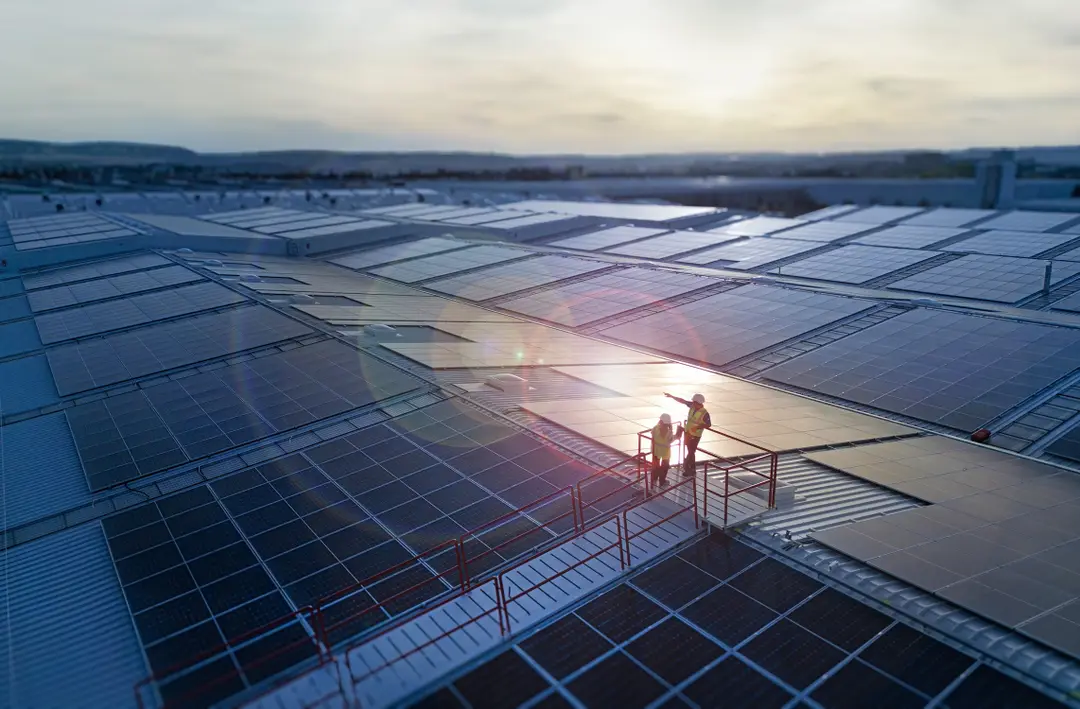
Arçelik contributed to the adoption of energy labeling practices in South Africa with its experience in energy efficiency gained in Europe. Rooftop solar energy investments were implemented in Pakistan in line with global decarbonization targets. In Bangladesh, production infrastructure designed according to green building standards and local service capabilities were developed.
The 2025 Integrated Report, prepared in line with the International Integrated Reporting Framework (IIRC), Global Reporting Initiative (GRI), Türkiye Sustainability Reporting Standards (TSRS), and Corporate Sustainability Reporting Directive (CSRD), also includes a double materiality analysis. In this context, the impacts of sustainability issues on Arçelik's operations and financial performance, as well as the company's impacts on society and the environment, are evaluated together. Insights gained from internal and external stakeholders contribute to determining the company's priorities and concrete actions.
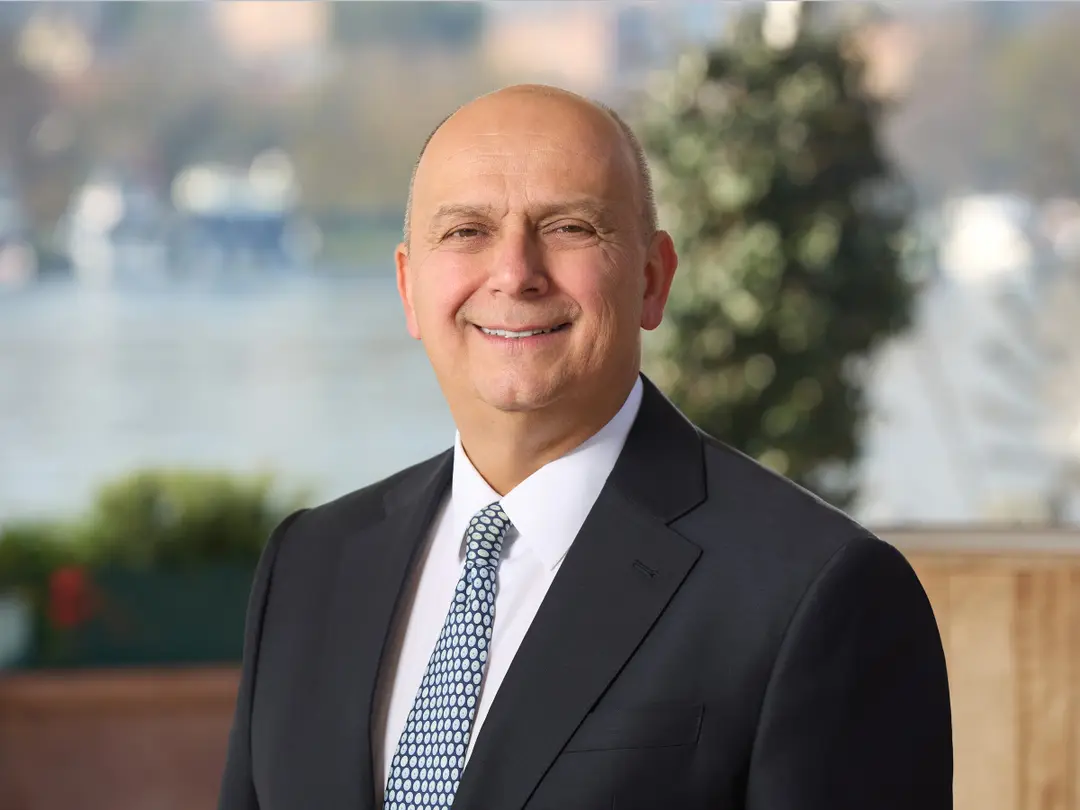
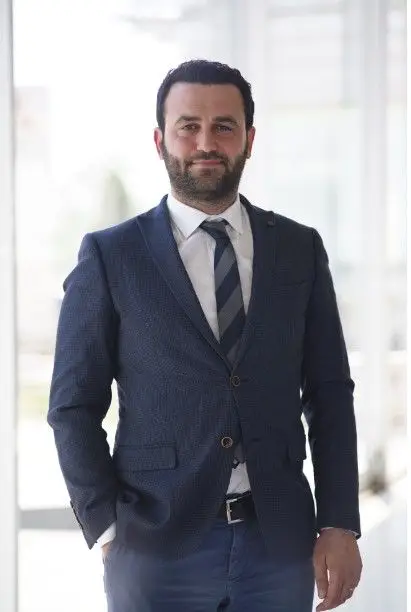
Arçelik CEO Can Dinçer, whose views were included in the statement, stated that they see sustainability as an integral part of their long-term growth strategies and global competitiveness.
Dinçer emphasized that they have carried sustainability across all value chains, from product development to production, from supply chain to finance, and noted the following:
"We are resolutely working to create a business model that uses resources more efficiently, is powered by technology, and creates measurable impact. We address innovation, design, and sustainability together, developing technologies that help consumers reduce their environmental impact without compromising their daily lives. Our deep-rooted history also brings with it a significant responsibility towards the future. With this understanding, we are transforming our sustainability goals into concrete applications and measurable results. In 2025, we increased the share of low-carbon products in our revenue to 72.6 percent. This result demonstrates the tangible reflection of our approach in our product portfolio."
Underlining the importance of making sustainable living accessible to wider audiences, Dinçer stated that they are transferring the know-how they developed in Türkiye and Europe to different geographies. Pointing out that they are strengthening their competencies in markets while developing their local operations, Dinçer said, "We are extending the experience gained in our Global Lighthouse factories, which are recognized by the WEF as among the world's best examples of Industry 4.0 applications, to our global production network. In 2025, with our energy efficiency projects, we achieved 69,562 GJ of energy savings and prevented 5,297 tons of carbon dioxide equivalent emissions. This amount is equivalent to the emissions absorbed by 244,000 trees in one year."
Dinçer drew attention to the fact that they increased the green electricity usage rate in their production operations to 63.5 percent and their installed renewable energy capacities to 96 megawatts (MW), continuing his words as follows:
"By obtaining long-term environmental target commitments from 222 of our suppliers, we have expanded supplier participation supporting the sustainability transformation in our value chain. We signed our first sustainability-linked loan agreement with the International Finance Corporation (IFC). This agreement was an important indicator demonstrating that our strong sustainability performance supports our access to finance and long-term business resilience. With the contributions of our employees, suppliers, and business partners, we will continue to make sustainability a powerful lever for innovation, competitiveness, and long-term profitable growth."





Comments
0 commentsNo comments on this article yet. Be the first!