
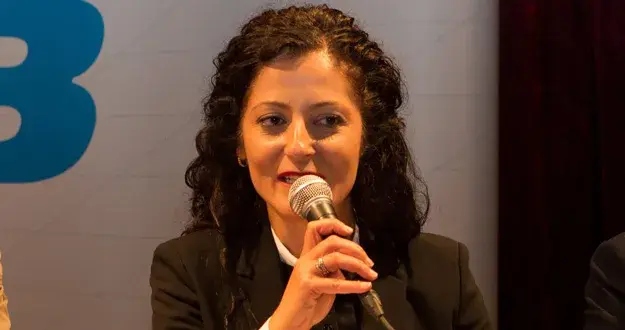
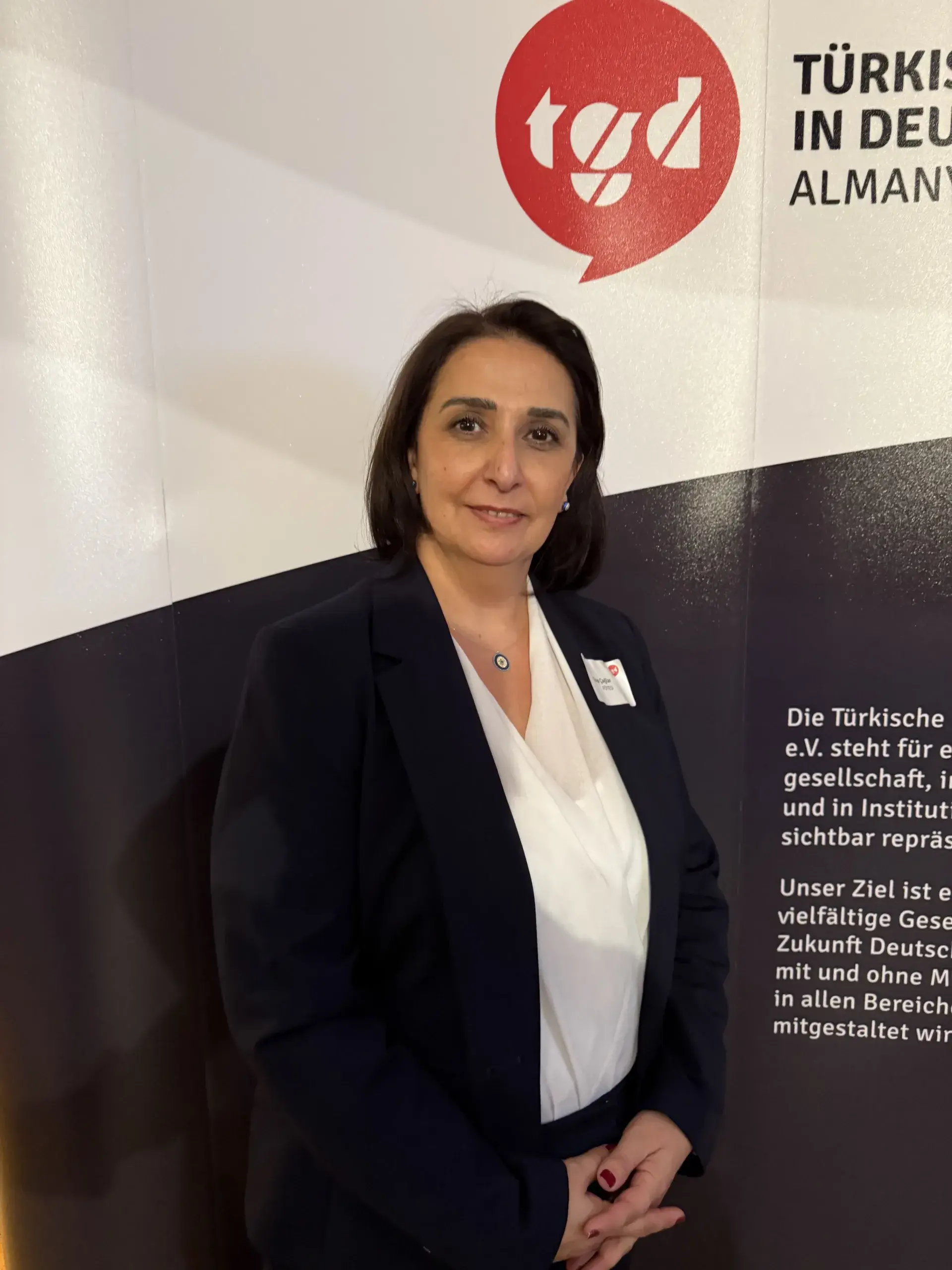
Berlin Senator Cansel Kızıltpe will convene the Roundtable Against Anti-Queer Sentiment with an extraordinary agenda at the end of August, following the CSD attack. Kızıltpe also called on Chancellor Friedrich Merz to establish a similar mechanism at the federal level.
In Berlin, Germany's capital, political and social steps are accelerating following the terrorist attack on the Christopher Street Day (CSD) event. Berlin State Senator for Anti-Discrimination and Diversity, Cansel Kızıltpe, announced that she would convene the Roundtable Against Anti-Queer Sentiment with an extraordinary agenda at the end of August.
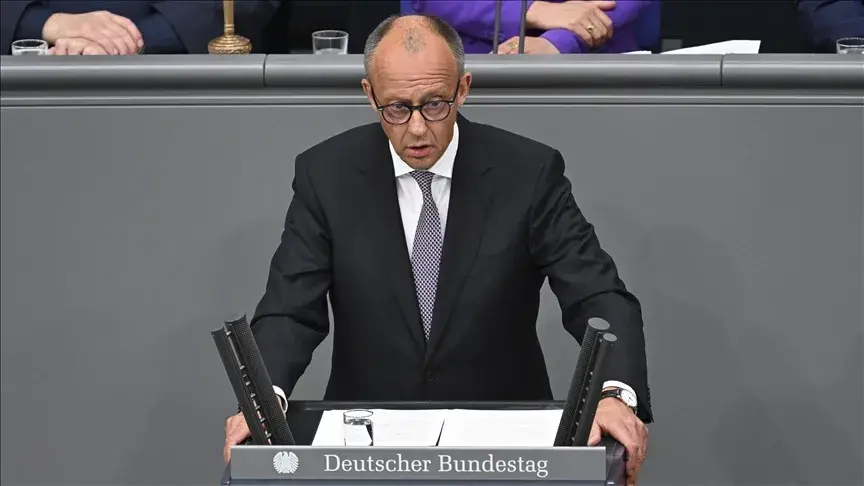
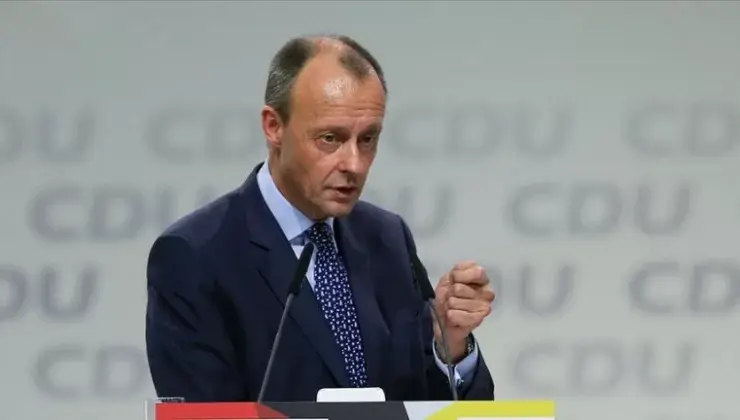
In a letter sent to German Chancellor Friedrich Merz, Kızıltpe also requested the establishment of a similar "Roundtable" at the federal level to combat anti-queer hate crimes.
"Discussions should be with, not about, the queer community"
Senator Cansel Kızıltpe emphasized that while many political statements were made publicly after the CSD attack, the queer community was not sufficiently involved in decision-making processes.
Kızıltpe used the following expressions in her statement:
"After the terrorist attack, politicians from all parties are calling for swift measures. However, discussions are being held about the queer community, not with them. This is unacceptable. The voice, demands, and suggestions of the queer community must be included in all future political decision-making processes."
Security and hate crimes to be discussed
Representatives of the queer community, civil society organizations, associations, and Berlin Senator for Interior Iris Spranger will be invited to the extraordinary meeting.
The meeting will specifically address security policies, the fight against hate crimes, new measures for the protection of queer individuals, and concrete steps to be taken after the attack.
Berlin model cited as example for federal government
In Berlin, the "Roundtable for Protection Against Anti-Queer Hate Crimes" was established in 2024. Berlin's queer security strategy was prepared after a comprehensive consultation process lasting approximately two years and involving 400 people.
Kızıltpe requested that this model be implemented throughout Germany, and in her letter to Chancellor Friedrich Merz, she included the following views:
- that anti-queer violence has reached deadly proportions,
- that legal equality must be guaranteed in the German Constitution,
- that the initiative to add the phrase 'sexual identity' to Article 3 of the Basic Law (Grundgesetz) must be supported,
- that the direct involvement of the queer community in political discussions conducted at the national level is mandatory.
"Merz must make protection a state policy"
Kızıltpe stated that Chancellor Friedrich Merz should not merely content himself with messages of condolence and made the following call:
"Chancellor Merz must make the protection and equal rights of queer individuals a priority state policy at the national level. If he is sincere in his sorrow over the attack, he should invite queer associations and civil society representatives to a Roundtable Meeting to be held at the Federal Chancellery."
The initiative by the Berlin Senate has once again brought discussions about taking new steps in both security and legal equality against anti-queer hate crimes in Germany to the top of the agenda.






Comments
0 commentsNo comments on this article yet. Be the first!