

AfD emerging as the clear first party with 43.8% of the vote in the state elections of Saxony-Anhalt (Sachsen-Anhalt) brought discussions about the rise of the far-right in Germany back to the agenda. SPD Federal Parliament Member Macit Karaahmetoğlu assessed the election results as “a threat that cannot be ignored for German democracy.”
The Alternative for Germany (AfD) party coming in first place with a large margin of votes in the state elections held in Saxony-Anhalt is considered an important turning point for the political balance in the country.
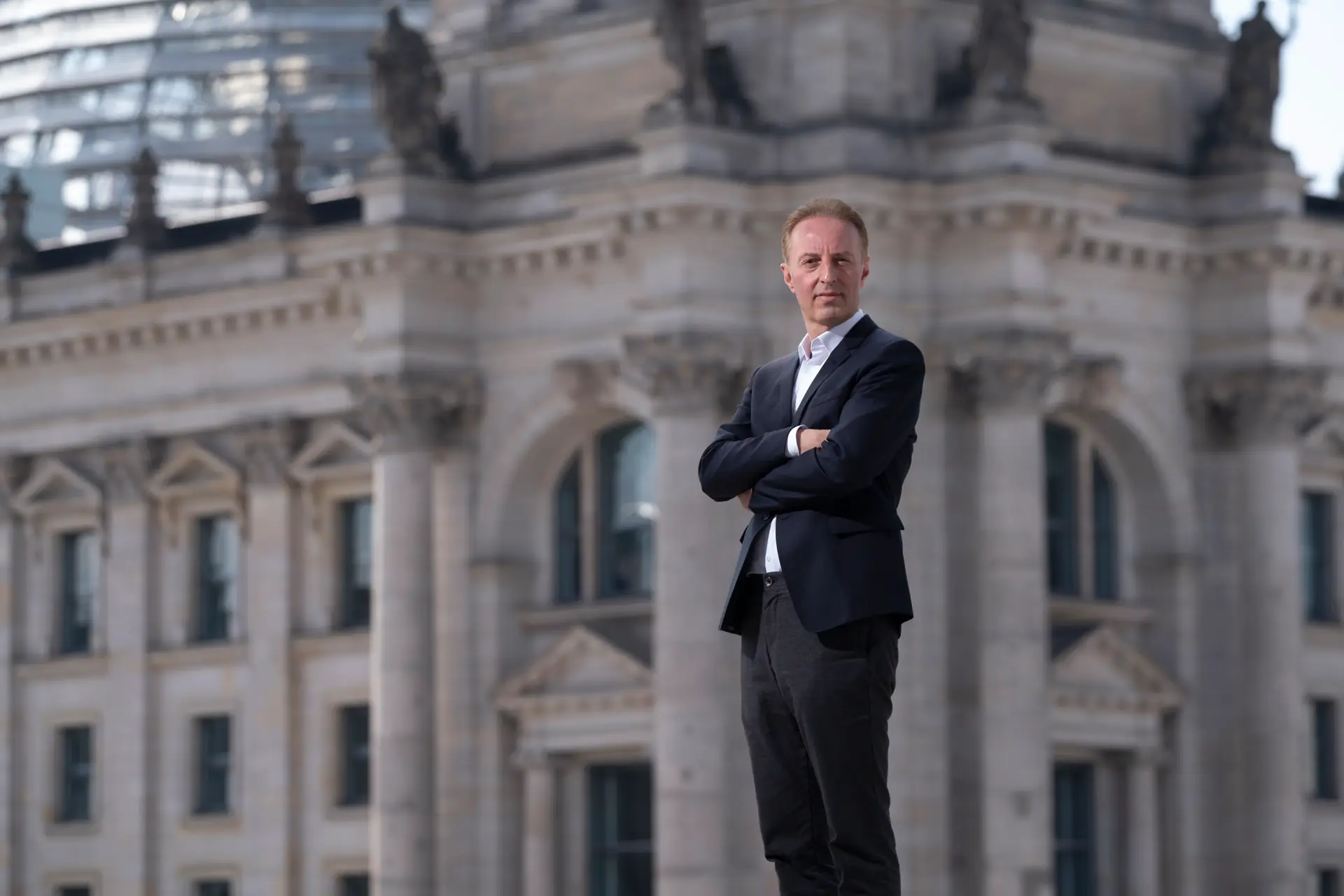
SPD Federal Parliament Member Macit Karaahmetoğlu stated that the election results should not be seen as limited to Sachsen-Anhalt, adding that the rise of AfD constitutes a serious warning for German democracy.
Karaahmetoğlu stated that the reasons behind AfD's strong rise, especially in East Germany, should be comprehensively analyzed, and argued that anti-immigrant and anti-Muslim sentiment played an important role in this rise.
“A whole country has been fixated on the Sachsen-Anhalt elections for about a year, and today we are faced with a result that worries all democrats. Of course, there are many reasons why AfD received so many votes. However, the main reason pushing voters in the Eastern states to AfD is anti-immigrant and anti-Muslim sentiment. First and foremost, this needs to be emphasized. With this election result, we can say that the gates of hell have opened in Germany.”
AfD More Than Doubled Its Votes
Karaahmetoğlu emphasized that AfD's 43.8% vote share should not be underestimated. Karaahmetoğlu pointed out that AfD increased its vote share from 20.8% five years ago to 43.8%, and reminded that voter turnout also rose to 77.8%.
The SPD politician stated that the emerging picture cannot be explained solely by a temporary protest vote, making the following assessment:
“It would be a big mistake to underestimate this result, to see it as a temporary wave of protest, or to consider it unique to Sachsen-Anhalt. AfD increased its vote from 20.8% five years ago to 43.8%. Moreover, it achieved this in an environment where voter turnout rose to 77.8%. What we face is no longer just a party that gathers the reactions of discontented voters, but a far-right political movement that has managed to take root in a significant portion of society.”
“Democratic Parties Must Produce Solutions for Voters' Problems”
Karaahmetoğlu stated that the election results also contain important messages for democratic parties, and said that the responsibility should not be placed solely on the voters.
Karaahmetoğlu stated that concrete solutions must be produced for society's concerns on issues such as the cost of living, housing problems, wages, pensions, security, and irregular migration, and expressed that democratic parties must make citizens feel again that the state can solve problems.
Karaahmetoğlu stated that the SPD's 9.3% vote share in Sachsen-Anhalt should also be seriously evaluated, and noted that a limited increase in vote share should not be seen as a consolation on an election night when AfD exceeded 40%.
Karaahmetoğlu emphasized that the fundamental duty of social democracy in times when people's anxieties about the future increase is to create a sense of trust, social justice, and social belonging.
“SPD Must Not Imitate AfD's Language”
Karaahmetoğlu stated that the fight against AfD's rise cannot be waged by imitating the rhetoric of the far-right, and said there is a significant difference between demanding order and control in migration policy and segregating people based on their origins.
Karaahmetoğlu made the assessment, “If we want to fight against the strengthening of the far-right, we must solve people's real problems instead of copying its agenda.”
Karaahmetoğlu stated that the SPD would maintain its stance on this issue, and expressed that advocating for order and control in migration policy does not mean classifying people based on their ethnic origins.
Drew Attention to AfD's Far-Right Classification
Karaahmetoğlu also reminded that the AfD Sachsen-Anhalt organization was classified as a “confirmed far-right extremist group” by the state Office for the Protection of the Constitution.
Karaahmetoğlu stated that AfD's political rhetoric targeting immigrants, Muslims, and German citizens with a migration background has long been in the public eye, and therefore argued that the election result should not be evaluated by ignoring AfD's political stance.
“We cannot say that we didn't know what AfD stood for. This party's language targeting immigrants, Muslims, and German citizens with a migration background has been evident for years.”
“Voters of Turkish Origin Must Take This Danger Seriously”
Karaahmetoğlu also criticized some people of Turkish origin living in Germany for supporting AfD.
Karaahmetoğlu stated that it is natural to express dissatisfaction with economic problems, migration policy, or government practices through democratic means, but said that supporting a political movement that does not see them and their children as equal parts of society is a different matter.
Karaahmetoğlu argued that factors such as being born in Germany, being a German citizen, speaking good German, establishing a successful business, or paying taxes for years would not provide an automatic guarantee against an exclusionary political understanding based on ethnic origin.
“There is no guarantee that the exclusionary politics you think are directed at others today will not turn against you tomorrow.”
“This Country Is Our Country, This Democracy Is Our Democracy Too”
At the end of his statement, the SPD MP made a call specifically to the community of Turkish origin in Germany.
Karaahmetoğlu emphasized that immigrants are not merely spectators of political developments in Germany, and stated that they must actively participate in the democratic process.
“We are not spectators of this debate. This country is our country, this democracy is our democracy too.”
Karaahmetoğlu stated that citizens of immigrant origin should not feel safe by thinking that AfD is targeting other groups today, and warned that the strengthening of a political understanding that segregates people based on their origins would threaten not only immigrants but also Germany's democratic order.





Comments
0 commentsNo comments on this article yet. Be the first!